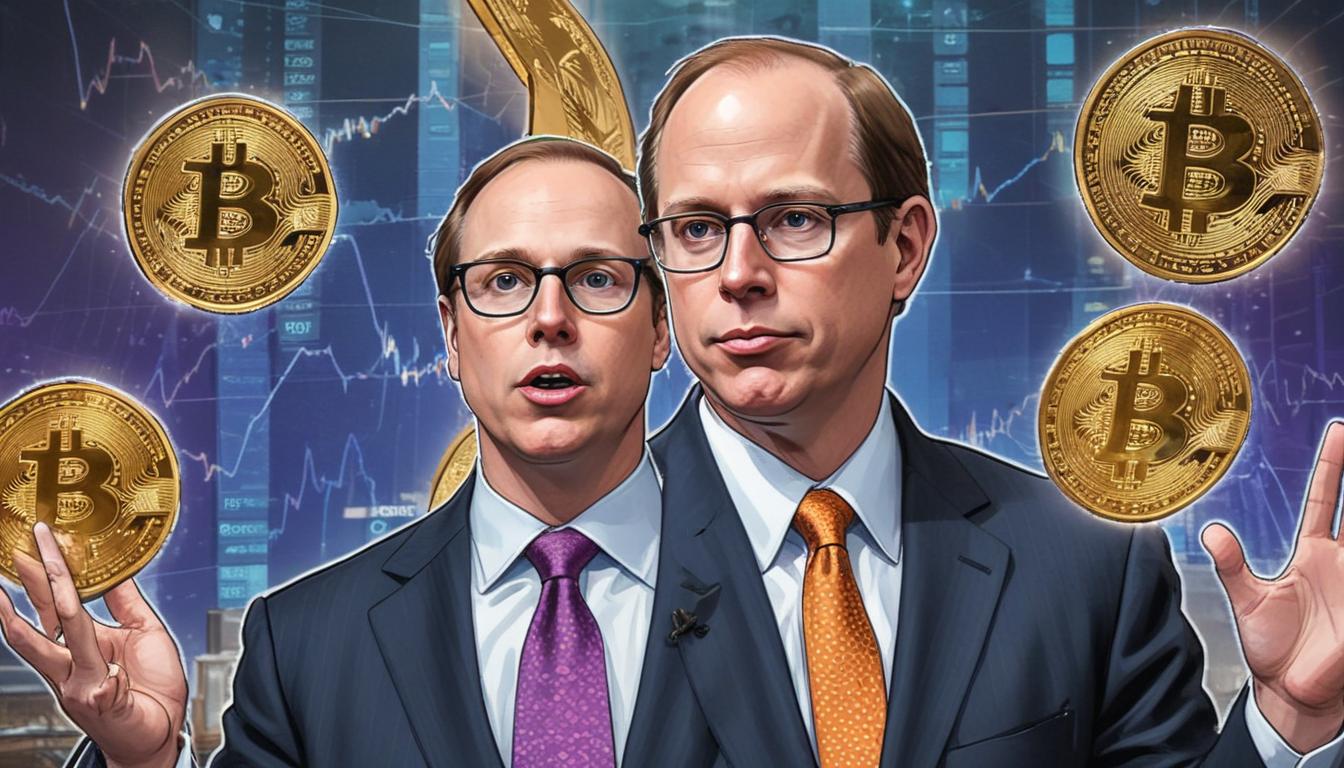
BlackRock's $294 Million Crypto Purchase: Details and Significance
BlackRock's $294 million investment is making waves throughout the cryptocurrency market, highlighting a significant transformation in institutional investment. This substantial move signals an increasing acceptance of cryptocurrencies as viable assets.
BlackRock strategically allocated this investment between Bitcoin and Ethereum. While the precise individual holdings remain undisclosed, the estimated $294 million investment reflects a calculated diversification into both the leading cryptocurrency by market capitalization (Bitcoin) and a prominent smart contract platform with expanding utility (Ethereum). This decision demonstrates a shift from merely acknowledging crypto to actively participating in its growth.
Read also: Bitcoin Overtakes Google! Is This the Future of Finance? [Market Cap Milestone]
The timing of this purchase is particularly significant, especially considering BlackRock's prior filings for Bitcoin and Ethereum exchange-traded products (ETPs). This move indicates a sustained commitment to the crypto space, rather than a short-term speculative venture. Analysts note that BlackRock's Ethereum holdings saw a rapid increase, further reinforcing confidence in the underlying asset.
Signaling Growing Institutional Confidence
The significance of BlackRock's investment extends beyond its monetary value. As the world's largest asset manager, BlackRock's actions carry substantial weight and influence in the financial world. Their demonstrated interest in cryptocurrencies signals a broader shift in institutional sentiment. Initial skepticism has largely given way to a recognition of the potential benefits and long-term opportunities presented by the crypto market.
The market's immediate reaction underscores the impact of BlackRock's investment. Reports suggest that institutional investment and positive price movements are linked, highlighting the influence of major players in shaping market sentiment. This involvement strongly suggests that the long-held perception of cryptocurrency as a highly volatile and speculative market is evolving into a more nuanced understanding of its potential role in diversified portfolios.
Implications for the Future
BlackRock's $294 million cryptocurrency purchase marks a pivotal moment in institutional adoption. It sends a powerful signal to other large financial institutions, potentially triggering a cascade effect of increased investment and integration of cryptocurrencies into mainstream finance. This move, combined with ongoing applications for spot Bitcoin and Ethereum ETFs, suggests a future where cryptocurrency participation is normalized within the traditional financial system.
The implications are far-reaching, impacting the valuation and adoption of cryptocurrencies, as well as the broader regulatory landscape and advancement of blockchain technology. Increased participation from institutional investors like BlackRock will likely accelerate the development of crypto infrastructure and regulatory frameworks. Ongoing discussions around regulatory clarity further emphasize the significance of BlackRock's actions as a catalyst for broader industry development. Enhanced regulatory certainty could lead to even greater institutional adoption, accelerating the integration of cryptocurrencies into the mainstream financial system.
In conclusion, BlackRock's investment represents more than a simple purchase; it's a statement, a signal, and a catalyst for substantial transformation within the financial world. Its impact extends beyond immediate market reactions and into the future development and maturation of the cryptocurrency market.
Market Reactions: Price Movements and Trading Volumes
BlackRock's significant $294 million investment in Bitcoin and Ethereum acted as a major catalyst, leading to noticeable shifts in cryptocurrency prices, heightened trading activity, and an overall positive shift in market sentiment. This provides a valuable real-time case study on the impact of institutional investment in the crypto space. This section explores the immediate and subsequent market reactions following BlackRock's crypto purchase, examining price fluctuations in Bitcoin and Ethereum, analyzing changes in trading volumes, and assessing the broader impact on market sentiment.
Immediate Price Surges in Bitcoin and Ethereum
The cryptocurrency market responded swiftly to BlackRock's crypto acquisition, with both Bitcoin and Ethereum experiencing immediate price increases. Ethereum, in particular, saw a sharp rise, reflecting the market's favorable interpretation of the news. This immediate upward movement can be attributed to several key factors:
- Enhanced Investor Confidence: BlackRock's investment signaled a major validation of cryptocurrencies, legitimizing them as a viable asset class. This encouraged both retail and institutional investors to increase their cryptocurrency holdings, driving demand.
- Expectations of Future Demand: The investment sparked speculation that BlackRock would continue to accumulate Bitcoin and Ethereum, further fueling demand and driving prices upward. Investors saw this as a signal of long-term commitment and increasing scarcity.
- Widespread Positive Media Coverage: The news generated significant media coverage, amplifying positive sentiment and attracting new investors to the cryptocurrency market. This broader awareness contributed to the increased buying pressure.
While specific percentage increases are not provided, the clear trend was upward, demonstrating the immediate impact of institutional investment on cryptocurrency values. This surge underscores how sensitive the cryptocurrency market is to news from major financial players and their perceived endorsement of digital assets. The market's reaction highlights the potential for institutional investment to shape cryptocurrency valuations and market dynamics.
Surge in Trading Volumes Following the Announcement
Beyond price movements, trading volumes for both Bitcoin and Ethereum saw a substantial increase following BlackRock's investment announcement. This surge in trading activity indicates heightened market participation and liquidity, driven by an influx of new and existing investors responding to the news. The increased trading volumes can be attributed to:
- Increased Market Attention: The announcement heightened awareness of the cryptocurrency market, leading to greater trading activity across various exchanges. New investors entered the market, while existing investors increased their trading activity, contributing to the surge in volumes.
- Institutional Investor Activity: It's likely that BlackRock's purchase prompted other institutional investors to increase their exposure to cryptocurrencies, further contributing to the surge in trading volumes. These large-scale transactions significantly impact market liquidity and price discovery.
Read also: XRP's Institutional Boom: Ripple's Legal Win & DCC Investment—Game Changer?
The increase in trading volume further validates the market's positive response to BlackRock's crypto purchase, showcasing the potential for institutional investment to inject liquidity and dynamism into the cryptocurrency market. This increase in market activity can lead to greater efficiency in price discovery and reduced bid-ask spreads, benefitting all market participants.
Impact on Overall Market Sentiment
BlackRock's investment had a tangible impact on overall market sentiment, shifting it from cautious optimism to a more bullish outlook. This change in sentiment was reflected in various indicators:
- Positive Social Media Discussions: Online discussions and social media sentiment surrounding cryptocurrencies became overwhelmingly positive following the announcement, indicating increased confidence among retail investors.
- Upward Revisions of Analyst Forecasts: Many analysts revised their price targets for Bitcoin and Ethereum upward, citing BlackRock's investment as a key driver for future growth. This further reinforced positive sentiment and attracted additional investment.
- Increased Interest in Altcoins: The positive sentiment extended beyond Bitcoin and Ethereum, with many altcoins experiencing price increases as investors became more willing to take on risk. This broader market rally indicated increased confidence in the overall cryptocurrency ecosystem.
The improvement in market sentiment demonstrates the power of institutional endorsements to influence investor psychology and drive broader market trends. BlackRock's move served as a strong signal that cryptocurrencies are gaining acceptance within mainstream finance, potentially paving the way for further institutional investment and market maturation. This shift in sentiment can create a self-fulfilling prophecy, attracting more investors and driving further growth in the market.
Bitcoin's Measured Response: A Sign of Maturity?
While Ethereum experienced a more pronounced immediate surge, Bitcoin's reaction, though positive, was comparatively more measured. This difference can be attributed to several factors:
- Bitcoin's Established Position: As the leading cryptocurrency, Bitcoin already enjoys a high level of institutional recognition and investment, meaning that BlackRock's purchase had a relatively smaller marginal impact on its price. Its well-established market presence and liquidity mean that new investments have a less dramatic effect.
- Larger Market Capitalization: Bitcoin's significantly larger market capitalization makes it less susceptible to sudden price swings compared to Ethereum. The sheer size of its market cap requires much larger investments to move the price significantly.
- Focus on Ethereum's Potential: The market may have interpreted BlackRock's investment as a specific endorsement of Ethereum's potential as a smart contract platform and DeFi ecosystem, leading to greater price appreciation. Ethereum's innovative capabilities and growing ecosystem make it an attractive target for institutional investment.
The measured response in Bitcoin's price could also be interpreted as a sign of increasing market maturity, suggesting that Bitcoin's price is becoming less volatile and more resilient to short-term market fluctuations. This increased stability could further attract institutional investors seeking a more predictable investment environment.
Ethereum's DeFi Ecosystem: A Key Driver of Price Appreciation
Ethereum's more significant price surge following BlackRock's investment underscores the growing importance of its DeFi ecosystem. BlackRock's investment can be seen as a validation of Ethereum's potential to disrupt traditional finance through decentralized applications and smart contracts. The market's positive response suggests that investors are increasingly recognizing the value of Ethereum's underlying technology and its potential to drive future growth in the DeFi space. This connection between institutional investment and the validation of the DeFi ecosystem is a crucial aspect of understanding Ethereum's market dynamics. The expanding DeFi ecosystem provides Ethereum with numerous real-world use cases and revenue streams, further enhancing its value proposition.
Analyzing trading volume patterns across different geographical regions can reveal which areas are reacting most strongly to institutional investment news.
Analyzing the behavior of large cryptocurrency holders following BlackRock's announcement can provide insights into market sentiment and potential future buying or selling pressure.
Evaluating social media sentiment regarding Bitcoin, Ethereum, and BlackRock can help assess overall market mood and identify potential shifts affecting prices and trading volumes.
Read also: XLM vs Pi vs UNSD: Which Crypto Will Skyrocket Your ROI in 2024?
In conclusion, BlackRock's investment serves as a significant bellwether for future institutional adoption, potentially leading to a cascade effect of increased investment and integration of cryptocurrencies into mainstream finance.
While the initial market reaction was overwhelmingly positive, it's important to consider the potential for market correction and the long-term sustainability of these price movements. Cryptocurrency markets are known for their volatility, and it's possible that the initial surge could be followed by a period of consolidation.
In conclusion, BlackRock's investment in Bitcoin and Ethereum triggered immediate and significant market reactions, characterized by price surges, increased trading volumes, and improved market sentiment. While the initial response was overwhelmingly positive, it's important to maintain a cautious outlook and carefully monitor market trends, regulatory developments, and fundamental factors. Continuous analysis will be needed to fully understand the long-term consequences of this pivotal investment on the broader market landscape and its implications for the future of digital assets. The market's reaction to BlackRock's investment is a testament to the growing importance of institutional participation in the cryptocurrency market, signaling a potential turning point in the evolution of this asset class and underscoring the need for continued monitoring of market dynamics.
Implications for Regulatory Scrutiny and Future ETF Applications
BlackRock's substantial investment in Bitcoin and Ethereum has undeniably intensified scrutiny of the cryptocurrency market, significantly impacting the landscape for future ETF applications. This section explores the ramifications of BlackRock's actions on regulatory oversight and the potential consequences for both the industry and investors.
BlackRock's entry, through both direct investment and ETF applications, has drawn heightened attention from global regulatory bodies. This heightened scrutiny stems from several key factors:
Read also: SUI vs. Bitcoin: Expert Predictions & Investment Strategies Revealed!
-
Systemic Risk: BlackRock's scale and influence necessitate enhanced oversight of its cryptocurrency market activities to mitigate potential systemic risks. The sheer size of their investment means a significant market disruption could have wider, far-reaching consequences.
-
Market Integrity: Regulators prioritize maintaining the integrity and fairness of the cryptocurrency market. BlackRock's involvement necessitates careful monitoring to prevent potential manipulation or abusive practices. Transparency and fair trading practices are paramount.
-
AML/KYC Concerns: The regulatory landscape is focused on preventing money laundering and ensuring compliance with know-your-customer (KYC) regulations. BlackRock's participation adds another layer of complexity, demanding robust compliance measures. This includes stringent verification procedures for all transactions.
BlackRock's actions represent a significant step towards broader institutional adoption and long-term growth. However, this increased institutional presence also carries a risk of stricter regulations which could potentially stifle innovation and limit market access for smaller players.
Read also: SUI vs. Bitcoin: Expert Predictions & Investment Strategies Revealed!
BlackRock's ETF Applications: A Litmus Test for Regulatory Acceptance
BlackRock's pending applications for Bitcoin and Ethereum ETFs serve as a crucial benchmark for regulatory acceptance of cryptocurrency investment products. The outcome will significantly influence the entire cryptocurrency market:
-
Approval: Approval would signal a significant shift in regulatory sentiment, encouraging other institutions to launch similar products. This could unlock billions in new investment capital, leading to greater market liquidity, price stability, and broader adoption of cryptocurrencies. This scenario would significantly boost investor confidence and propel the market towards greater maturity.
-
Rejection: Rejection would likely dampen institutional enthusiasm and delay mainstream adoption. This outcome would exacerbate regulatory uncertainty and increase market volatility. It could also discourage future ETF applications and negatively affect investor confidence.
-
Conditional Approval: A conditional approval, with specific requirements, could represent a middle ground, allowing for gradual introduction of cryptocurrency ETFs. This could provide valuable guidance for other institutions while still addressing regulatory concerns. This approach allows for measured growth and reduces the impact of abrupt changes on the market.
Read also: Ethereum's Institutional Crossroads: Will it Conquer Wall Street?
Potential Impact on Future Regulatory Decisions
The regulatory response to BlackRock's ETF applications will significantly shape future decisions regarding cryptocurrencies. A positive outcome could encourage a more favorable approach, while a negative outcome could lead to stricter regulations.
-
Precedent Setting: The SEC's decision will set a precedent for future applications, influencing the regulatory framework for years to come. This will shape the terms under which future institutions can participate in the ETF space.
-
Global Influence: The U.S. regulatory approach will influence other jurisdictions, potentially impacting global regulatory frameworks. This could lead to a more harmonized approach or exacerbate existing regulatory fragmentation.
BlackRock's engagement with regulators and the outcome of its ETF applications will be instrumental in shaping the future of the cryptocurrency market. The insights gained will be invaluable for both industry participants and regulators.
Read also: Ethereum's Institutional Crossroads: Will it Conquer Wall Street?
Ensuring Market Stability Amidst Institutional Investment
Increased institutional investment, while generally positive, raises concerns about market stability that regulators must proactively address. This includes several key areas of focus:
-
Enhanced Surveillance: Increased market surveillance and monitoring of trading activity are essential to detect and prevent market manipulation, ensuring fair and transparent trading. Advanced analytics and technological solutions can improve monitoring capabilities.
-
Robust Risk Management: Institutional investors must implement robust risk management practices to manage their cryptocurrency exposure and prevent potential losses from destabilizing the market. This includes stress testing and diverse investment strategies.
-
Global Regulatory Cooperation: International cooperation among regulators is crucial to address cross-border risks and ensure a coordinated approach to market oversight. This fosters a consistent approach and prevents regulatory arbitrage.
Regulators can mitigate risks and ensure long-term market stability and integrity by taking these steps. A proactive approach will foster investor confidence and attract further investment.
BlackRock's Influence on Regulatory Dialogue
BlackRock's position as a leading asset manager gives it significant influence over regulatory discussions about cryptocurrencies. Its active engagement can educate regulators, promoting a more informed and balanced approach.
-
Expertise and Resources: BlackRock's expertise and resources can be invaluable to regulators in understanding the complexities of the cryptocurrency market. They can provide insights into market dynamics and help navigate regulatory complexities.
-
Industry Representation: BlackRock can effectively represent the broader institutional investment community, articulating concerns and advocating for solutions that promote innovation while protecting investors. This fosters collaboration between regulators and market participants.
-
Promoting Best Practices: BlackRock can promote best practices for risk management and compliance within the cryptocurrency market, building trust and confidence among regulators and investors. This strengthens the credibility and reputation of the market as a whole.
BlackRock's role can bridge the gap between traditional finance and the cryptocurrency world, fostering a collaborative relationship between industry and regulators. Its influence extends far beyond the U.S., impacting global regulatory frameworks.
Global Regulatory Implications
The implications of BlackRock's actions extend far beyond U.S. regulations, influencing global regulatory frameworks. Different countries are taking varied approaches, and BlackRock's actions will influence these in several ways:
-
Global Standard Setting: U.S. approval of BlackRock's ETF applications could set a de facto global standard, influencing other countries to adopt similar frameworks. This encourages international harmonization of regulatory guidelines.
-
Regulatory Arbitrage Mitigation: Consistent global regulations help prevent regulatory arbitrage, ensuring a level playing field for all market participants. This reduces the incentive for market manipulation and promotes fair competition.
-
International Cooperation: BlackRock's global presence can facilitate international cooperation among regulators, promoting a more harmonized approach. This cross-border collaboration helps improve standards and reduce potential vulnerabilities.
Understanding the global regulatory landscape and BlackRock's potential impact on different jurisdictions is crucial for assessing the long-term implications of its cryptocurrency investments. A coordinated global approach is essential for market stability.
Navigating Regulatory Hurdles and Roadblocks
Despite the potential benefits, regulatory hurdles and roadblocks remain. These include:
-
Market Manipulation Concerns: Regulators are wary of potential market manipulation, especially given the cryptocurrency market's relative youth and the lack of stringent regulation in the past. Enhanced surveillance and reporting requirements can help mitigate this.
-
Custody and Security: Ensuring the safe custody and security of cryptocurrency assets is a critical priority. Robust custodial solutions are needed, especially for institutional investors. This involves secure storage and advanced security protocols.
-
Valuation and Accounting: The valuation and accounting treatment of cryptocurrencies pose a challenge. Clear guidelines are essential for transparency and consistency. This requires developing clear and universally accepted methods.
-
Tax Implications: The tax implications of cryptocurrency investments are complex and evolving. Clear guidance is needed for compliance and to prevent tax evasion. This requires international cooperation and consensus-building.
Overcoming these hurdles requires ongoing dialogue between industry participants and regulators, along with innovative solutions that address these concerns. A collaborative approach is essential for creating a regulatory framework that fosters innovation while protecting investors and ensuring market integrity.
Monitoring Regulatory Statements and Actions
Closely monitoring regulatory statements and actions from bodies like the SEC, FSB, and international organizations is vital for understanding the evolving regulatory landscape. This proactive approach will enable better investment decision-making.
-
Official Statements: Speeches and public statements from regulatory officials provide valuable insights into their views on cryptocurrencies and their plans for future regulation. Careful analysis of these statements can anticipate upcoming changes.
-
Enforcement Actions: Tracking enforcement actions against cryptocurrency firms helps identify areas of regulatory concern and potential pitfalls for investors. This allows for risk assessment and proactive compliance.
-
Proposed Rulemakings: Monitoring proposed rulemakings and regulatory changes is essential for staying informed about the evolving landscape and anticipating potential impacts on the market. This provides a basis for strategic planning and preparation.
By actively monitoring regulatory activity, investors and industry participants can better understand risks and opportunities, leading to better decisions. This proactive approach is crucial for navigating the complexities of the cryptocurrency world.
The Role of Lobbying and Advocacy
Lobbying and advocacy efforts from industry groups and individual companies are instrumental in shaping the regulatory landscape. These efforts can educate regulators on the potential benefits of cryptocurrencies and advocate for solutions that promote innovation and growth.
-
Industry Associations: Industry associations, such as the Blockchain Association and the Chamber of Digital Commerce, represent the industry's interests, advocating for favorable regulatory policies. They play a key role in influencing regulatory decisions.
-
Individual Companies: Companies like BlackRock can leverage their resources to influence regulatory decisions, ensuring policies reflect market realities. This provides direct input from market participants.
-
Grassroots Movements: Grassroots advocacy by cryptocurrency enthusiasts raises awareness about the benefits of cryptocurrencies and advocates for favorable policies. This participation expands the range of voices influencing policy decisions.
Through active lobbying and advocacy, industry participants can ensure a fair and balanced regulatory framework that supports innovation and growth. This proactive approach is essential for shaping the future of the cryptocurrency market.
Future Implications for Market Participants
The increased regulatory scrutiny and the outcome of BlackRock's ETF applications will significantly impact all market participants:
-
Institutional Investors: Institutional investors must adapt to the evolving landscape, implementing robust risk management and compliance practices. This demands a proactive and adaptable approach.
-
Retail Investors: Retail investors benefit from increased regulatory oversight and investor protection, but must remain aware of the inherent risks of cryptocurrency investments. This involves a higher degree of financial literacy.
-
Cryptocurrency Exchanges: Exchanges must comply with stricter regulations and implement robust AML/KYC measures to prevent illicit activities. This demands robust compliance programs and technological upgrades.
-
Blockchain Developers: Developers must design projects that comply with regulatory requirements, promoting transparency and accountability. This demands a careful understanding of the regulatory environment and ongoing adaptation.
By understanding the implications of regulatory developments, market participants can better navigate the evolving cryptocurrency landscape. A proactive approach is vital for success in this dynamic and rapidly changing market.
In conclusion, BlackRock's entry into the cryptocurrency space has profound implications for regulatory scrutiny and the future of ETF applications. The regulatory response will significantly shape the trajectory of institutional adoption, market stability, and the long-term viability of cryptocurrencies as a mainstream asset class. Continued vigilance and proactive engagement from all stakeholders are essential.
Long-Term Outlook: Institutional Cryptocurrency Adoption After BlackRock
BlackRock's significant investment in Bitcoin and Ethereum, as detailed earlier, represents more than a financial transaction; it's a pivotal catalyst potentially reshaping the future of institutional cryptocurrency adoption. This section analyzes the long-term trajectory of this adoption, considering the interplay of regulatory developments, technological advancements, and evolving investor sentiment.
The Ripple Effect of BlackRock's Investment: A Cascade of Adoption?
BlackRock's decision, a calculated strategic move reflecting the cryptocurrency market's maturation and potential, carries immense weight. Their action implicitly validates Bitcoin and Ethereum as legitimate investable assets within traditional portfolios. This endorsement, from the world's largest asset manager, is likely to trigger a domino effect. Other major financial institutions, analyzing BlackRock's success (or challenges), will meticulously assess the risks and rewards, potentially accelerating their own crypto exploration and adoption. This "herding" behavior, a common phenomenon in institutional investment, could dramatically amplify the rate of institutional market participation. The key will be whether BlackRock's investment yields substantial returns, setting a positive precedent for others to follow.
Regulatory Landscape: The Gatekeeper of Institutional Adoption
The regulatory environment remains paramount to institutional crypto adoption. BlackRock's simultaneous applications for Bitcoin and Ethereum ETFs highlight the critical need for regulatory clarity. A favorable ruling would significantly bolster the legitimacy of cryptocurrencies, normalizing institutional investment. Conversely, a negative ruling could sow uncertainty and potentially dampen enthusiasm among institutions considering market entry.
Beyond ETF approvals, the broader regulatory landscape will continue shaping adoption. Consistent, transparent, and well-defined global regulations (ideally harmonized internationally) will foster trust and encourage wider participation. In contrast, fragmented or excessively restrictive regulations could limit institutional investment and potentially drive innovation to jurisdictions with more favorable regulatory environments. The collaboration between regulatory bodies and industry leaders like BlackRock will be crucial in navigating this complex landscape, aiming for regulations that balance investor protection with market innovation. This balance is critical for fostering growth without compromising market integrity.
Technological Advancements: Addressing Scalability, Interoperability, and Security
The underlying technology of cryptocurrencies—blockchain—is constantly evolving. Technological improvements addressing scalability, interoperability, and security are crucial for attracting further institutional investment. Faster transaction speeds, lower fees, and enhanced network security will make cryptocurrencies more attractive to institutional investors demanding robust and reliable systems. The development of layer-2 solutions and cross-chain protocols, resolving scalability and interoperability issues, is essential for enabling larger-scale institutional operations.
Equally crucial is the development and broader acceptance of secure custody solutions. Institutional investors require high levels of asset security; robust, auditable custody solutions are essential to mitigate the inherent risks of holding cryptocurrencies. The evolution and adoption of institutional-grade security protocols will be instrumental in ensuring the seamless integration of cryptocurrencies into traditional financial systems. This includes advancements in cold storage, multi-signature wallets, and insurance solutions specifically designed for institutional holdings.
Investor Sentiment: Navigating Volatility and Risk
Investor sentiment significantly influences the pace of institutional adoption. While BlackRock's investment is positive, the cryptocurrency market remains inherently volatile. Substantial price fluctuations can impact investor confidence. However, the market's increasing maturity and growing institutional participation could contribute to greater price stability over time. The development of robust, institutional-grade risk management tools and strategies will be essential in mitigating perceived risks, reassuring investors, and encouraging larger-scale investments.
This sentiment also involves a changing perception of cryptocurrencies within diversified investment portfolios. As the technology matures and regulatory clarity improves, institutional investors may view Bitcoin and Ethereum less as speculative assets and more as potential hedging instruments or diversification vehicles, reducing overall portfolio risk. This shift in perception is crucial for long-term institutional acceptance.
Predicting the Trajectory: A Cautiously Optimistic Outlook
Considering BlackRock's move and subsequent market reactions, the future trajectory of institutional crypto adoption appears cautiously optimistic. The current momentum, fueled by increased investor confidence, technological advancements, and a push for regulatory clarity, suggests a considerable increase in institutional participation in the coming years. However, the adoption rate will depend on several interconnected factors: the regulatory landscape, the evolution of blockchain technology, and the ongoing maturation of the cryptocurrency market. Significant price corrections or unexpected regulatory challenges could temporarily slow this momentum, but the underlying trend towards greater institutional involvement is likely to persist.
BlackRock's investment marks a significant turning point, not the end goal. The path ahead is complex, requiring careful navigation of regulatory hurdles and continuous advancements in blockchain technology. However, the growing institutional interest, validated by a global leader like BlackRock, paints a promising picture of a future where cryptocurrencies play a significant role in mainstream finance. The long-term outlook, therefore, hinges on the successful collaboration between regulators, institutional investors, and the wider cryptocurrency ecosystem to create a robust, secure, and transparent environment for digital assets to thrive. This collaborative effort will be key to achieving widespread institutional adoption and market stability.
BlackRock's Crypto Investment: A Turning Point for Institutional Adoption
BlackRock's massive $294 million cryptocurrency investment signals a significant shift in institutional sentiment towards cryptocurrencies. This article analyzes the impact and implications of this pivotal decision.
Key Takeaways:
- BlackRock's investment in Bitcoin and Ethereum validates crypto as a viable asset class, potentially triggering a cascade of institutional adoption.
- Regulatory clarity surrounding crypto ETFs is crucial; approval would accelerate mainstream adoption, while rejection could dampen enthusiasm.
- Technological advancements in scalability, security, and custody solutions are needed to support increased institutional participation and reduce risk.
#Market reaction #Cryptocurrency Investment #Bitcoin #Institutional Adoption #Regulatory Scrutiny #ETF