Decoding Ether's Resistance Levels: A Technical Deep Dive
The cryptocurrency market, particularly Ether (ETH), is a whirlwind of volatility. Successful navigation requires a keen understanding of technical analysis, and specifically, identifying key resistance levels. These levels aren't static; they're dynamic barriers that reflect market sentiment and often predict price movements. This analysis goes beyond simply stating resistance levels; it delves into the why behind them, empowering you to make more informed trading decisions. Let's break down the crucial resistance levels for Ether and explore their potential impact.
The $2,850 Hurdle: A Battleground for Bulls and Bears
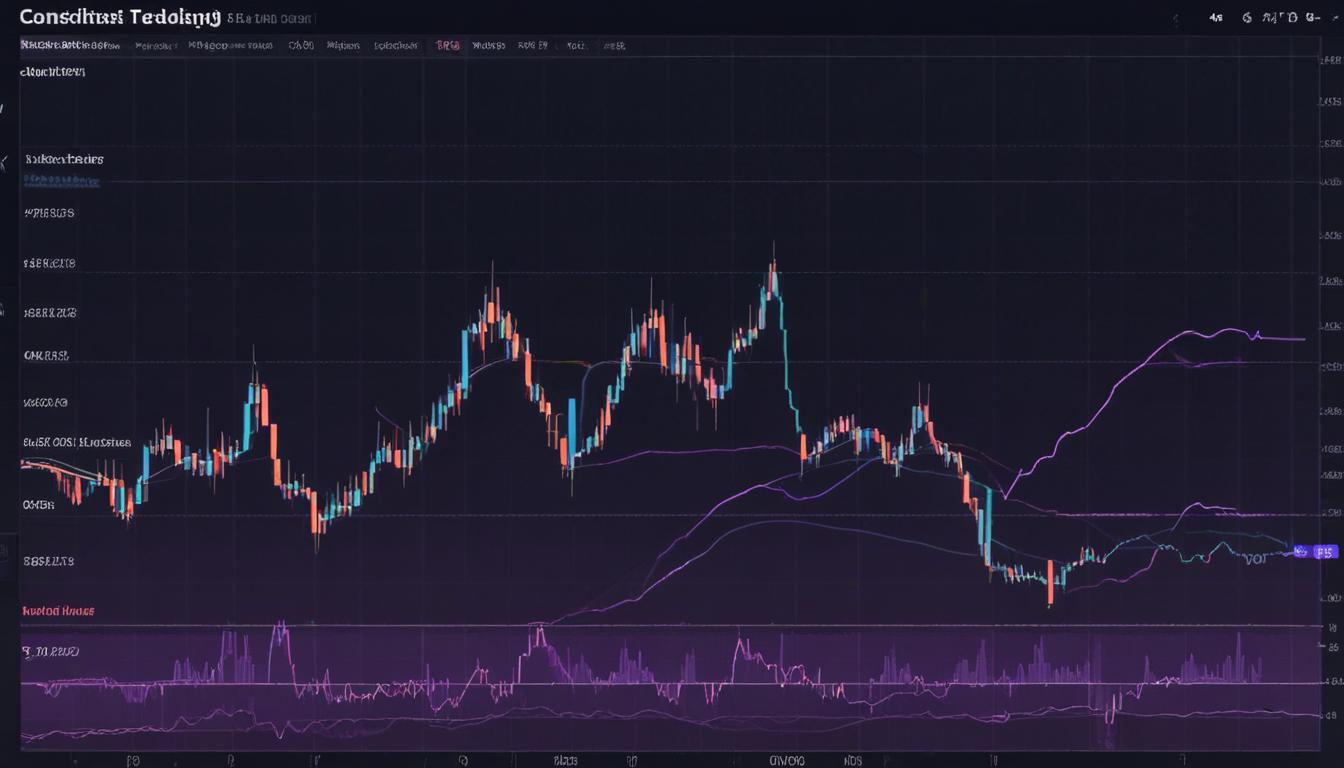
The $2,850 level stands out as a significant resistance zone. Why? Because history shows us it acted as a breakdown point in the past. Observe the candlestick chart from February 21st; the long wick clearly displays substantial selling pressure at this price point. Buyers attempted a breakout, but the force of the selling pressure overwhelmed them. This isn't just a random number; it's a psychological marker ingrained in the collective memory of the market. Traders remember this level, and that memory influences their actions. Any future attempt to breach $2,850 will likely face similar resistance, highlighting the persistent bearish sentiment at play.
This isn't about prediction; it's about probability. While a breakout is possible, understanding the historical context significantly increases your ability to assess the likelihood of success. The longer the price remains below $2,850, the more entrenched this resistance becomes. This level acts as a crucial test; a decisive break above it could signal a significant shift in momentum.
The 20-Day EMA: A Dynamic Resistance Line
Technical indicators are indispensable tools for navigating the crypto market. The 20-day Exponential Moving Average (EMA), currently hovering around $2,777 (please note that these figures are dynamic and subject to change), serves as a further critical resistance level. Unlike static levels, the 20-day EMA constantly adapts to recent price action, providing a real-time gauge of market sentiment. It acts like a constantly updated benchmark, reflecting the short-term average price. A price consistently below the 20-day EMA strongly reinforces the bearish outlook. It shows that short-term buying pressure is consistently weaker than selling pressure. This doesn't guarantee continued decline, but it significantly increases the probability of it.
Think of the 20-day EMA as a litmus test. If the price fails to sustainably break above it, it suggests the bears maintain control. This could lead to revisiting lower support levels, making it crucial for traders to closely monitor this dynamic indicator. The failure to decisively break above this moving average is a significant signal. It shows the persistent bearish pressure and the lack of conviction among buyers.
The Downtrend Line: A Major Barrier to Bullish Momentum
Overcoming the immediate resistances at $2,850 and the 20-day EMA is just the first hurdle. If Ether manages this feat, the next major obstacle is the downtrend line itself. This line connects a series of lower highs on the price chart, representing a visually clear downward trend. Bearish traders often defend this line aggressively, resulting in strong selling pressure should the price approach it. A sustained break above this line would be a very bullish signal, suggesting a potential reversal of the bearish trend.
However, even if the downtrend line is breached, the road to bullish recovery is far from clear. The $3,400 level presents another formidable resistance. This level holds psychological significance as a previous price ceiling and a key round number. Traders tend to target round numbers for profit-taking, often leading to increased selling pressure at these levels. Therefore, while breaking the downtrend line is positive, it doesn't guarantee success. $3,400 still represents a crucial battleground for buyers and sellers.
Mapping the Scenarios: Bullish Breakout or Bearish Continuation?
It's crucial to consider both bullish and bearish scenarios to develop a comprehensive understanding of Ether's price movement. Let's outline the possibilities:
-
Bearish Continuation: Failure to overcome the $2,850 resistance and the 20-day EMA significantly increases the likelihood of bearish continuation. The bears might attempt to push the price below $2,500, testing crucial support levels at $2,400 and potentially even $2,300. This would represent a continuation of the existing downward trend.
-
Bullish Breakout: A sustained break above $2,850, followed by a decisive move above the downtrend line, could signal a significant shift in market sentiment. This would be a powerful indicator of bullish momentum, potentially paving the way for a rally towards $3,400. However, this scenario is contingent upon maintaining the momentum and overcoming the substantial resistance at $3,400.
The key takeaway here isn't predicting the future, but understanding the probabilities. By analyzing the historical price action, the dynamic nature of the 20-day EMA, and the psychological significance of various price levels, we can increase the odds of making informed trading decisions.
Conclusion: Informed Trading in a Volatile Market
The Ether market, like all cryptocurrency markets, is inherently volatile. However, by understanding and analyzing key resistance levels, utilizing dynamic indicators like the 20-day EMA, and considering both bullish and bearish scenarios, traders can significantly improve their ability to navigate this complex landscape. Remember, this isn't about predicting the future with certainty; it's about increasing the probability of success through careful analysis and informed decision-making. Continuously monitoring the market, adapting your strategies, and understanding the interplay of factors discussed here are crucial for success in this dynamic environment. Remember to always conduct thorough research and understand your risk tolerance before making any investment decisions. The information provided here is for educational purposes and should not be considered financial advice.## Dissecting the Bearish Grip on the Ether Market: A Comprehensive Analysis
The Ether (ETH) market is currently experiencing a notable period of bearish pressure, a trend clearly visible in recent price action and a range of technical indicators. To effectively navigate this challenging market landscape and craft robust trading strategies, a deep understanding of the underlying forces driving this downturn is paramount. This in-depth analysis will delve into the key factors contributing to the bearish sentiment, offering a comprehensive overview of current market dynamics.
Macroeconomic Headwinds: A Global Chill on Crypto Enthusiasm
The current macroeconomic climate significantly impacts investor sentiment across all asset classes, and Ether is no exception. Global concerns surrounding persistent inflation, aggressive interest rate hikes by central banks, and the looming threat of a recession are fostering a risk-averse environment among investors. In such times of uncertainty, speculative assets like Ether often underperform as investors seek the perceived safety of government bonds or precious metals. This flight to safety diverts capital away from riskier ventures, reducing demand and putting downward pressure on Ether's price. This macroeconomic instability is a significant contributor to the current bearish pressure.
Consider the ripple effect: rising interest rates increase borrowing costs for businesses, potentially slowing economic growth and reducing investor confidence. This uncertainty makes investors less likely to invest in volatile assets like Ether, leading to decreased demand and price drops. The correlation between macroeconomic factors and cryptocurrency prices is undeniable, and understanding this link is crucial for informed decision-making.
Declining Market Sentiment: The Erosion of Investor Confidence
Market sentiment towards cryptocurrencies, including Ether, has recently softened. Negative news cycles, fueled by regulatory uncertainties and high-profile market collapses, have eroded investor confidence, triggering sell-offs and exacerbating bearish pressure. The pervasiveness of negative sentiment is often reflected in social media analysis and mainstream news coverage, revealing a palpable negativity surrounding crypto investments. This loss of confidence translates directly into reduced buying pressure and an increased tendency for holders to liquidate their Ether holdings, fueling the downward spiral.
The impact of negative news is amplified by the interconnectedness of the crypto market. One negative event can create a domino effect, leading to widespread selling and further price declines. The psychological impact of fear and uncertainty should not be underestimated; it plays a crucial role in shaping market trends.
Technical Indicators: Charting a Course Through the Bear Market
Technical analysis offers valuable insights into market trends and helps predict potential price movements. Several key technical indicators currently paint a bearish picture for Ether. For example, the 20-day Exponential Moving Average (EMA), frequently employed as a dynamic resistance level, has consistently remained above Ether's price, reinforcing the ongoing downward trend. While some indicators like the Relative Strength Index (RSI) might suggest oversold conditions, hinting at potential short-term price rebounds, these signals don't necessarily negate the larger bearish trend. The continued downward trajectory of these indicators strengthens the case for persistent bearish pressure.
It's important to avoid relying on a single indicator. A comprehensive technical analysis involves evaluating multiple indicators simultaneously, considering their interplay and the broader market context. Using diverse indicators provides a more nuanced and accurate picture of the prevailing market sentiment and potential price movements.
The Influence of Whales and Institutional Investors: The Power Players
The actions of major investors (whales) and institutional players significantly influence Ether's price volatility. While precise data on their activities is often opaque, observable market trends suggest that significant sell-offs by these powerful entities can exert considerable downward pressure. Their substantial holdings allow them to move the market considerably, and even a perceived shift in their trading strategies can trigger a cascading effect, impacting overall market sentiment and amplifying existing bearish pressure.
Understanding the potential impact of whale activity requires caution and critical thinking. While observing large trades can provide valuable insights, it's essential to avoid making hasty decisions based solely on this information. It’s crucial to consider the broader market context and other indicators to avoid misinterpretations.
Network Activity and Development Updates: A Long-Term Perspective
While fundamental factors such as network activity and development updates have a significant impact on Ether's long-term value, their short-term influence on prevailing bearish trends might be less pronounced. However, any significant negative developments, such as major security breaches or unforeseen technological setbacks, could worsen the bearish sentiment and further depress the price. Conversely, positive news, like successful network upgrades or increased adoption rates, could potentially mitigate the bearish pressure. The effectiveness of such positive news, however, largely hinges on the prevailing macroeconomic and market sentiment.
The balance between short-term and long-term factors is critical. While short-term price movements are heavily influenced by market sentiment and speculation, long-term value is determined by the underlying technology and network's utility. Investors should maintain a balanced perspective, considering both short-term fluctuations and the potential for long-term growth.
Assessing the Bearish Pressure: A Holistic View
The current bearish pressure on the Ether market results from a complex interplay of various factors. Macroeconomic headwinds and declining market sentiment are significant drivers, while the impact of whale activity, technical indicators, and network dynamics all contribute to the overall bearish trend. The duration and intensity of this bearish trend are inherently uncertain, and the market's reaction to potential catalysts remains to be seen. A comprehensive understanding of these interconnected forces is essential for investors to navigate the current market conditions effectively.
Effective navigation requires a multi-faceted approach that incorporates fundamental analysis, technical analysis, and a keen awareness of macroeconomic factors. This holistic approach assists in developing a robust strategy to manage risks and capitalize on potential opportunities. However, all market activities carry inherent risks, so investors should always conduct thorough due diligence and assess their own risk tolerance carefully before making any investment decisions. This detailed analysis of bearish pressure serves to enhance the understanding of price analysis and resistance levels discussed elsewhere in this report.
The dynamic interplay of macroeconomic conditions, market sentiment, and technical indicators offers a comprehensive view of the current market dynamics and helps anticipate potential future price movements. This understanding is crucial for effective risk management and informed decision-making in the volatile cryptocurrency market.## Decoding Ether's Price Trajectory: Technical Indicators and Chart Patterns
Navigating the cryptocurrency markets, especially when Ether (ETH) is under bearish pressure, demands more than just a cursory glance at the price charts. It requires a robust understanding of technical indicators and chart patterns. Think of these tools as your compass and map in a dense forest – they provide invaluable insights into potential price movements, guiding traders and investors toward informed decisions in a notoriously volatile market. In this section, we'll embark on a deep dive into the technical analysis of Ether, dissecting key indicators and patterns that offer clues to its future price action. Forget the crystal ball; let's analyze the data.
Moving Averages: Gauging Momentum and Trend Direction – The Smart Money's Secret Weapon
Moving averages are the bread and butter of technical analysis, and for good reason. They're like a noise-canceling headset for the price chart, smoothing out those daily fluctuations to reveal the underlying, long-term trends. When it comes to Ether, the 20-day Exponential Moving Average (EMA) is a particularly crucial level to watch. Currently, and as we've touched upon in other sections discussing resistance, this EMA is acting as a dynamic resistance level, meaning it's not a static price point but a constantly evolving barrier reflecting short-term market sentiment.
The fact that Ether's price consistently struggles to break above this 20-day EMA reinforces the prevailing bearish outlook. Consider it a signal flare: the market is telling us that selling pressure is currently outweighing buying interest in the short term. However, don't jump to conclusions just yet. A decisive break above the 20-day EMA could signal a potential shift in momentum, but it's crucial to emphasize the word 'sustained.' We need to see consistent price action above this level to confirm a genuine trend reversal. A brief spike above the EMA followed by a return to lower levels is simply a false signal.
To gain a broader perspective on Ether's overall trend direction, it's wise to analyze longer-term moving averages as well, such as the 50-day and 200-day EMAs. These longer-term averages provide context and help filter out short-term noise. The relationship between these different moving averages can offer valuable insights into potential trend changes.
For example, a "golden cross," where the 50-day EMA crosses above the 200-day EMA, is often interpreted as a bullish signal. It suggests that short-term momentum is strengthening relative to the long-term trend, potentially paving the way for further price appreciation. Conversely, a "death cross," where the 50-day EMA crosses below the 200-day EMA, can signal bearish sentiment. This indicates that short-term momentum is weakening, potentially leading to further price declines. These crossover events aren't foolproof predictors, but they serve as valuable early warning signals that warrant further investigation. Remember, smart trading is about probabilities, not guarantees.
Think of these moving averages as lanes on a highway. If the price is consistently in the 'fast lane' (above the 20-day EMA), it suggests a bullish trend. If it's stuck in the 'slow lane' (below the 20-day EMA), a bearish trend is likely in play. The 50-day and 200-day EMAs then act as longer-term indicators of the highway's overall direction, providing a broader context for the current price action.
Relative Strength Index (RSI): Spotting Overbought and Oversold Conditions – Don't Get Fooled by Extremes
The Relative Strength Index (RSI) is a momentum oscillator that measures the speed and change of price movements. It's essentially a gauge of how strongly the price is trending, oscillating between 0 and 100. A reading above 70 generally suggests that an asset is overbought, while a reading below 30 indicates that it's oversold.
Now, here's a crucial point: while the possibility of oversold conditions might seem enticing – a potential buying opportunity, right? – it's vital to understand that an oversold RSI doesn't necessarily guarantee a price reversal. It simply suggests that the selling pressure might be excessive, and a short-term bounce could occur. Think of it as a stretched rubber band; it's likely to snap back a bit, but that doesn't mean it's going to reverse direction entirely.
In a strong downtrend, Ether’s price can remain oversold for extended periods. This is where many novice traders get burned. They see an oversold RSI and jump in, assuming a reversal is imminent, only to see the price continue to fall. Conversely, in a strong uptrend, the price can remain overbought for extended periods. This is why it's critical to use the RSI in conjunction with other indicators and chart patterns to get a more comprehensive assessment of the market.
The RSI is best used as a confirming indicator, not a primary one. For example, if Ether's price is breaking above the 20-day EMA and the RSI is moving out of oversold territory, that's a stronger signal than either indicator alone. Similarly, if the price is failing to break above the EMA and the RSI is still hovering in overbought territory, it reinforces the bearish outlook.
Consider the RSI like a speedometer in your car. Just because the needle is in the red doesn't mean you're about to crash; it just means you're going too fast and need to be cautious. Similarly, an oversold RSI doesn't guarantee a reversal; it just suggests that the selling pressure is high and a bounce could occur.
Chart Patterns: Unveiling Potential Price Formations – Reading the Language of the Market
Recognizing chart patterns is akin to learning a new language – the language of the market. These patterns are visual representations of recurring price movements, and they can offer valuable insights into potential future price action.
As mentioned in other sections, the downtrend line acts as a significant resistance. But, it's just one piece of the puzzle. Other patterns can offer valuable insights. For instance, the dreaded formation of a "head and shoulders" pattern could signal a potential trend reversal to the downside. This pattern, as the name suggests, consists of three peaks, with the middle peak (the head) being higher than the two surrounding peaks (the shoulders). The "neckline" connects the lows between the head and the shoulders. A break below the neckline of the head and shoulders pattern is typically considered a bearish confirmation, suggesting that the downtrend is likely to continue. This pattern is particularly powerful because it reflects a shift in market psychology, from bullish to bearish.
Conversely, the emergence of a "double bottom" pattern, characterized by two successive lows at roughly the same price level, can indicate a potential bullish reversal. Imagine the price hitting a floor twice; it suggests that buyers are stepping in at that level, preventing further declines. A breakout above the resistance level connecting the two lows is often interpreted as a bullish confirmation, indicating that the downtrend is likely over and an uptrend may be beginning.
Other important chart patterns to be aware of include:
- Triangles (Ascending, Descending, and Symmetrical): These patterns suggest consolidation followed by a breakout in either direction. Ascending triangles are generally bullish, descending triangles are generally bearish, and symmetrical triangles can break in either direction.
- Flags and Pennants: These are short-term continuation patterns, suggesting a pause in the existing trend followed by a resumption of that trend.
- Wedges (Rising and Falling): These patterns suggest a potential reversal of the existing trend. Rising wedges are generally bearish, while falling wedges are generally bullish.
Identifying and interpreting these chart patterns, combined with moving average analysis and RSI readings, can significantly enhance the accuracy of your price predictions. It's like having multiple pieces of a puzzle; the more pieces you have, the clearer the picture becomes.
Think of chart patterns as footprints in the sand. By learning to recognize these footprints, you can start to anticipate where the market is likely to head next. However, remember that these patterns are not foolproof; they are simply probabilities, not guarantees.
Volume Analysis: Confirming the Strength of Price Movements – Is the Market Really Behind This Move?
Volume analysis is a crucial element of technical analysis that often gets overlooked. It provides insights into the strength of price movements. It's not enough to simply see the price moving up or down; you need to know if the market is truly behind that move.
High volume accompanying a price breakout often confirms the legitimacy of the move, suggesting increased conviction among traders. If a large number of shares or tokens are being traded as the price breaks through a resistance level, it indicates that there is strong buying pressure and that the breakout is likely to be sustained. Conversely, low volume during a breakout could indicate a lack of conviction and increase the likelihood of a false breakout. This is a common trap for novice traders; they see a breakout and jump in, only to see the price quickly reverse.
Therefore, considering volume alongside other technical indicators and chart patterns offers a more robust assessment of Ether’s price action. For example, a breakout above the 20-day EMA with high volume would be a significantly stronger bullish signal than a breakout with low volume. The high volume confirms that buyers are truly behind the move, increasing the likelihood that the uptrend will continue.
Here's a simple analogy: imagine pushing a heavy box. If you push with a lot of force (high volume), the box is likely to move further. If you push with very little force (low volume), the box might not move at all, or it might move only a short distance. Volume is the force behind the price movement.
Combining Indicators for a Holistic View – The Power of Synergy
Relying on a single indicator or chart pattern is a recipe for disaster. It's like trying to diagnose a medical condition based on only one symptom. Therefore, combining multiple technical analysis tools provides a far more holistic view of Ether's price action.
For instance, converging signals from moving averages, RSI, and chart patterns significantly strengthen the likelihood of a particular price movement. If Ether's price breaks above the 20-day EMA with high volume, the RSI moves out of oversold territory, and a double bottom pattern is confirmed, it would suggest a strong potential for a bullish reversal. All these indicators are pointing in the same direction, increasing the probability of a successful trade.
This multifaceted approach to technical analysis enhances the accuracy of predictions and helps traders make more informed decisions. It's about building a comprehensive picture of the market, rather than relying on a single, potentially misleading signal.
Let's break down a real-world example. Imagine you're analyzing Ether and you observe the following:
- Price: Currently trading around $2,700, below the $2,850 resistance level.
- 20-day EMA: Hovering around $2,777, acting as dynamic resistance.
- RSI: Currently at 45, neither overbought nor oversold.
- Chart Pattern: No clear chart pattern is immediately apparent.
- Volume: Average trading volume.
Based on this analysis, the outlook is neutral to slightly bearish. The price is below the 20-day EMA, suggesting bearish pressure, but the RSI is not oversold, and there are no clear chart patterns to confirm a trend reversal. The average volume suggests a lack of strong conviction in either direction.
Now, let's imagine a bullish scenario unfolds:
- Price: Breaks above $2,850 on high volume.
- 20-day EMA: Price sustains above the 20-day EMA for several days.
- RSI: Rises to 60, indicating increasing momentum.
- Chart Pattern: A double bottom pattern forms, confirming bullish reversal.
- Volume: High volume accompanies the breakout above the resistance level.
In this scenario, the outlook has shifted significantly to bullish. The price has broken above key resistance levels with high volume, the RSI is indicating increasing momentum, and a double bottom pattern has formed. All these indicators are converging, suggesting a strong likelihood of further price appreciation.
Conversely, let's imagine a bearish scenario unfolds:
- Price: Fails to break above $2,850 and retreats below $2,700.
- 20-day EMA: Price remains below the 20-day EMA.
- RSI: Falls to 30, indicating oversold conditions.
- Chart Pattern: A head and shoulders pattern forms, confirming bearish continuation.
- Volume: High volume accompanies the breakdown below the neckline of the head and shoulders pattern.
In this scenario, the outlook has shifted significantly to bearish. The price has failed to break above key resistance levels, the RSI is indicating oversold conditions, and a head and shoulders pattern has formed. All these indicators are converging, suggesting a strong likelihood of further price declines.
This example highlights the importance of combining multiple technical analysis tools to get a more holistic view of the market. By considering the price action, moving averages, RSI, chart patterns, and volume, you can significantly improve your trading decisions.
Navigating Bearish Pressure and Resistance Levels with Technical Analysis: Your Action Plan
Understanding technical indicators and chart patterns is not just an academic exercise; it's a critical skill for navigating the current bearish pressure and resistance levels influencing Ether’s price. By combining analysis of moving averages, RSI, chart patterns, and volume, traders can gain valuable insights into potential price movements.
This in-depth technical analysis allows for a more informed assessment of the market, enhancing the ability to anticipate future price action and navigate the complexities of the cryptocurrency market. Remember, the goal is not to predict the future with certainty, but to increase the probability of success through careful analysis and informed decision-making.
So, what's your action plan?
- Master the Basics: Start by thoroughly understanding the key technical indicators discussed in this section, including moving averages, RSI, chart patterns, and volume analysis.
- Practice Regularly: Practice identifying chart patterns and analyzing indicator signals on historical price charts.
- Use a Trading Platform: Utilize a trading platform that provides access to the necessary technical analysis tools.
- Develop a Trading Strategy: Develop a clear trading strategy based on your technical analysis and risk tolerance.
- Stay Informed: Continuously monitor the market, stay informed about macroeconomic factors, and adapt your strategies as needed.
- Manage Risk: Always use stop-loss orders to limit potential losses and manage your risk effectively.
- Don't Be Emotional: Avoid making emotional trading decisions based on fear or greed.
- Be Patient: Be patient and wait for the right opportunities to enter or exit trades.
- Continuously Learn: The market is constantly evolving, so continuously learn and adapt your strategies.
By following this action plan and mastering the art of technical analysis, you can significantly improve your ability to navigate the complexities of the cryptocurrency market and make more informed trading decisions. Remember, knowledge is power, and in the world of crypto, power translates to profitability.## Potential Future Price Scenarios for Ether: A Deep Dive for Informed Investors
The price of Ether (ETH), the native cryptocurrency of the Ethereum blockchain, is currently navigating a turbulent sea of bearish pressures and stubborn resistance levels. Predicting the future with certainty in the crypto market is, of course, impossible. However, by leveraging technical analysis, understanding market sentiment, and carefully assessing key resistance points, we can outline several plausible future price scenarios for ETH. This isn't about crystal balls; it's about informed speculation, empowering investors to make well-reasoned decisions and adjust their strategies accordingly. Let's dive into the potential futures of Ether.
Bullish Scenario 1: A Decisive Breakout to $3,400 and Beyond
This optimistic scenario hinges on a sustained and decisive breakthrough of several key resistance levels. As previously discussed in the section on "Decoding Ether's Resistance Levels: A Technical Deep Dive," the $2,850 level represents a significant psychological and technical barrier. A strong, volume-backed push above this level, coupled with a sustained break above the 20-day Exponential Moving Average (EMA) – another crucial resistance level – would be the first sign of a significant shift in market sentiment. The next critical hurdle is the downtrend line itself, a clear visual representation of the ongoing bearish trend. Breaking through this line would signal a significant change in momentum. If these resistance levels are convincingly breached, it would pave the way for a rally toward $3,400. While $3,400 itself represents a substantial resistance zone, a decisive break above it could trigger a self-fulfilling prophecy, igniting further upward momentum and potentially pushing ETH to even higher levels.
The likelihood of this scenario occurring depends heavily on a confluence of positive factors. The current bearish pressure indicates that a sustained breakout requires powerful catalysts. These could include unexpectedly positive macroeconomic news (such as unexpectedly lower inflation figures or a stronger-than-expected GDP growth), a surge in institutional investment, successful Ethereum network upgrades that significantly improve scalability or security, favorable regulatory developments, or a dramatic increase in decentralized finance (DeFi) activity on the Ethereum network. Without such significant positive catalysts, the likelihood of this scenario is considered moderately low given the current market conditions. The absence of these supportive factors would likely result in renewed bearish pressure.
Potential Catalysts (Expanding on the previously mentioned):
- Positive Macroeconomic Data: A significant drop in inflation could dramatically shift investor sentiment, potentially leading to a risk-on environment that would favor cryptocurrencies like Ether.
- Increased Institutional Investment: The entry of significant institutional players into the ETH market could inject considerable buying pressure, propelling the price upwards. This could be fueled by institutional adoption of Ether as a store of value or due to participation in DeFi and other protocols.
- Ethereum Network Upgrades: Successful implementations of upgrades such as the Shanghai upgrade or future scalability solutions could trigger a surge in confidence, leading to substantial price increases.
- Favorable Regulatory Developments: Clarity and positive developments regarding cryptocurrency regulation worldwide could instill greater investor confidence, encouraging investment and upward price pressure.
- Booming DeFi Activity: A dramatic resurgence of DeFi activity on the Ethereum blockchain would represent a strong endorsement of the platform's utility, fostering greater demand for ETH.
Bullish Scenario 2: A Gradual Uptrend Through Consolidation
This more conservative bullish scenario envisions a less dramatic but equally positive outcome for ETH. Instead of a sharp breakout, the price could consolidate within a defined range, fluctuating between established support and resistance levels. This period of consolidation would allow the market to absorb recent news, adjust to changing macroeconomic factors, and potentially assess the real value of ETH based on the continued utility of the Ethereum network. During this consolidation period, consistent buying pressure could gradually push the price upwards, resulting in a sustained uptrend that could take several weeks or even months to fully materialize.
This scenario is considered relatively more likely than a sudden and rapid breakout in the current market climate. Consolidation periods are typical in cryptocurrency markets, especially during times of uncertainty. As the market processes information and investor sentiment evolves, a new, higher trading range could become established, gradually shifting the overall trend towards bullishness. This slow and steady climb would provide more stability and less volatility than a sharp breakout.
Potential Catalysts (Expanding on the previously mentioned):
- Organic Growth in DeFi and NFTs: A gradual but sustained increase in the number of users within the Ethereum ecosystem would suggest growing interest and adoption, lending credence to a gradual upward price trend.
- Ether as a Store of Value: If ETH becomes increasingly seen as a reliable store of value, similar to gold or Bitcoin, investors might hold onto their ETH holdings even during market downturns, increasing demand and gradually driving prices higher.
- Increased Awareness and Understanding: A more widespread understanding of the unique utility and strengths of Ethereum, from both technical and non-technical perspectives, would lead to increased adoption and appreciation for ETH.
- Gradual Macroeconomic Improvement: A slow but steady improvement in macroeconomic conditions would lead to reduced risk aversion, making ETH a more attractive investment for a broader range of investors.
- Strategic Institutional Accumulation: Institutional investors might strategically accumulate ETH during periods of price consolidation, quietly adding to their holdings in anticipation of future price appreciation. This controlled buying pressure could help support a gradual uptrend.
Bearish Scenario 1: A Sharp Decline Below $2,500
This pessimistic scenario anticipates a continuation and intensification of the current downward pressure. If Ether fails to overcome the resistance levels discussed previously (the $2,850 level, the 20-day EMA, and the downtrend line), bearish forces could regain control, pushing the price decisively below the critical support level of $2,500. A sustained break below this level could trigger a significant sell-off, accelerating the decline and potentially pushing ETH towards $2,400 and even $2,300. This could lead to significant losses for investors who haven't implemented appropriate risk management strategies.
Given the prevailing bearish sentiment and the confluence of negative technical indicators, this scenario is unfortunately considered quite likely. The failure to break through key resistance points would reinforce the downward trend and likely trigger even more selling pressure. Negative news events or unfavorable macroeconomic conditions could severely exacerbate this decline, potentially accelerating the drop.
Potential Catalysts (Expanding on the previously mentioned):
- Worsening Macroeconomic Conditions: A global recession or a dramatic increase in interest rates could trigger a widespread risk-off sentiment, negatively impacting all asset classes, including cryptocurrencies.
- Negative Regulatory Actions: Unfavorable regulatory actions or increased scrutiny of the cryptocurrency market could further erode investor confidence, leading to widespread selling pressure.
- Ethereum Network Vulnerabilities: Security breaches, technological failures, or significant network vulnerabilities could cause a substantial loss of investor confidence, potentially triggering a major sell-off.
- DeFi Market Collapse: A significant decline in DeFi activity or a major crisis within the DeFi space could damage the overall Ethereum ecosystem, negatively impacting the price of ETH.
- Large-Scale Sell-Offs: Significant sell-offs by large institutional investors, or "whales," could dramatically accelerate a downward price trend, creating a self-fulfilling prophecy of fear and panic-selling.
Bearish Scenario 2: Prolonged Sideways Trading with Downward Bias
This bearish scenario presents a less dramatic but still unfavorable outcome. Instead of a sharp decline, Ether could enter a prolonged period of sideways trading characterized by minimal price movement and low volatility. However, the overall trend would still maintain a downward bias, with occasional dips below support levels and limited upside potential. This prolonged period of indecision could significantly erode investor confidence, leading to gradual selling pressure over an extended timeframe.
This scenario is also considered reasonably likely, particularly if the market remains uncertain and lacks a clear direction. Prolonged sideways trading can gradually erode investor confidence, leading to a gradual but persistent downward pressure on the price. This constant state of uncertainty and the lack of decisive breakthroughs can make it difficult for investors to generate profits, potentially leading to greater risk aversion and even more selling pressure.
Potential Catalysts (Expanding on the previously mentioned):
- Regulatory Uncertainty: Continued uncertainty regarding the regulatory landscape for cryptocurrencies can lead to prolonged market hesitation and subdued investor interest.
- Lack of Innovation: A lack of significant innovation or development within the Ethereum ecosystem could discourage investment and lead to prolonged sideways trading with downward pressure.
- Waning Interest in DeFi and NFTs: A decline in investor interest and participation within the DeFi and NFT spaces would significantly weaken the Ethereum ecosystem, affecting ETH's price.
- Stagnant Network Activity: Stagnant growth in network activity and transaction volume could indicate a lack of real-world adoption, dampening investor enthusiasm and supporting a bearish outlook.
- Increased Competition: Increased competition from newer and potentially more efficient blockchain platforms could threaten the dominance of Ethereum, leading to a loss of market share and price stagnation with a downward bias.
The Interplay of Factors and the Influence of Bitcoin
It's crucial to understand that these scenarios are not mutually exclusive. The actual price trajectory of Ether could involve a combination of these factors, with periods of consolidation interspersed with breakouts or breakdowns. The interplay of macroeconomic conditions, overall market sentiment, technical indicators, and fundamental developments within the Ethereum ecosystem will determine the ultimate path of ETH's price. Additionally, as discussed previously, ETH's price is often correlated with Bitcoin's performance. A significant rally in Bitcoin could positively impact ETH, increasing the likelihood of bullish scenarios, while a sharp decline in Bitcoin could exacerbate the bearish pressure on ETH.
Monitoring Key Indicators and Adapting Investment Strategies
To accurately assess the likelihood of each scenario, continuously monitoring key indicators is crucial. These include resistance and support levels, moving averages (particularly the 20-day EMA), the Relative Strength Index (RSI), trading volume, overall market sentiment (gauged through social media analysis, news coverage, and investor surveys), macroeconomic data, and developments within the Ethereum network. Based on the evolving market conditions and the likelihood of each scenario, investors should adapt their strategies accordingly. This could involve adjusting portfolio allocation, implementing stop-loss orders, securing profits during price appreciation, and strategically averaging down during price dips (though this involves inherent risk). Staying well-informed and adapting strategies as market conditions evolve is paramount for success in this volatile environment.
Conclusion: Navigating the Uncertainty
The future price of Ether remains inherently uncertain. By carefully considering the various bullish and bearish scenarios presented, diligently monitoring key indicators, and adapting investment strategies accordingly, investors can navigate the uncertainty with a greater degree of confidence. A proactive, informed, and adaptable approach is critical for maximizing opportunities and effectively mitigating potential risks. Remember, thorough individual research, a clear understanding of your risk tolerance, and well-defined financial goals should underpin all investment decisions. In the dynamic world of cryptocurrencies, staying informed and adapting to change is the key to success. The analysis provided here aims to equip you with the knowledge and framework to make more informed decisions about your ETH investments.## Ether's Price: Navigating Resistance & Charting the Future
The Ether market presents both opportunities and challenges. Understanding key resistance levels and technical indicators is crucial for navigating its volatility. This article provides insights into potential price trajectories.
Key Takeaways:
- Key Resistance Levels: $2,850 and the 20-day EMA are crucial resistance points; breaking above them signals bullish momentum, while failure indicates bearish continuation.
- Technical Indicators: Moving averages (20-day, 50-day, 200-day EMAs) and RSI provide insights into trend direction and momentum. Combining these with chart patterns (head and shoulders, double bottom, etc.) enhances predictive accuracy.
- Volume Analysis: High volume confirms breakouts, suggesting strong conviction; low volume indicates weak breakouts and potential reversals.
#Ether Resistance Levels #Crypto Market #ETH Price Analysis #ETH #Ethereum #Cryptocurrency Trading #Technical Analysis