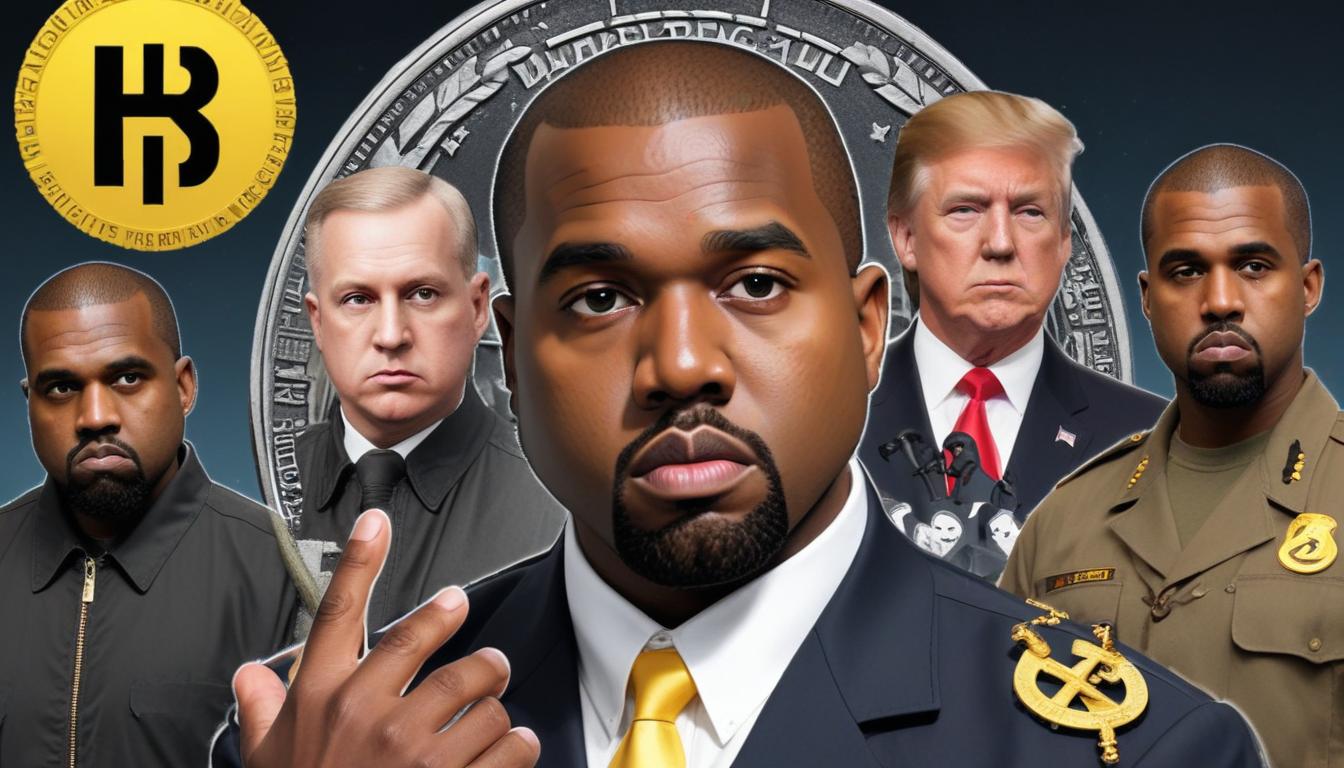
The $CAR Token Controversy: Deepfakes, Presidential Promotion, and the Perils of FOMO
The meteoric rise and spectacular crash of the $CAR token in early 2024 serves as a chilling case study in the volatile world of memecoins, highlighting the dangers of unchecked hype, celebrity endorsements (real or imagined), and the pervasive power of Fear Of Missing Out (FOMO). This wasn't just another pump-and-dump scheme; it was a sophisticated blend of technological manipulation, questionable ethical practices, and a masterclass in leveraging social media to achieve a staggering, albeit temporary, market capitalization.
The Allure of a Presidential Endorsement: A Deepfake Deception?
The initial launch of $CAR was accompanied by a promotional video seemingly featuring Faustin-Archange Touadéra, the President of the Central African Republic. This video, disseminated widely across social media, particularly on X (formerly Twitter), positioned $CAR as a government-backed initiative aimed at modernizing the nation's economy through blockchain technology. The implication of official backing, combined with promises of early adoption and significant returns, ignited a wildfire of interest among investors.
The speed at which $CAR's market capitalization ballooned to a reported $530 million is staggering. It showcased the incredible power of celebrity (or in this case, presidential) endorsement to drive frenzied investment, even in the absence of robust due diligence. The perceived legitimacy of the presidential appearance was the primary catalyst for this rapid ascent, creating a perfect storm of speculation and FOMO that swept many investors along. However, the story of $CAR wasn't simply a triumph of marketing; it became a cautionary tale, a dark parable of deception in the crypto markets.
The cracks began to appear almost immediately. Several AI deepfake detection tools flagged the video as potentially manipulated, triggering widespread concerns about its authenticity. While some AI models yielded conflicting results, adding layers of complexity to the debate, the seed of doubt had been planted. This uncertainty, amplified by discussions on various social media platforms and within cryptocurrency communities, became a pivotal factor in the subsequent market downturn. The inability to definitively confirm or deny the authenticity of the video exposed a fundamental vulnerability – the susceptibility of the crypto market to misinformation spread through sophisticated technological means.
The Unraveling: A Cascade of Red Flags and a Market Collapse
The deepfake controversy wasn't the only red flag that emerged. Other factors contributed to the rapid erosion of investor confidence. The official $CAR website domain was registered mere days before the token launch, a stark contrast to the meticulous preparations expected for a supposedly government-backed initiative. This lack of transparency, coupled with the deepfake concerns, fueled suspicion about the project's legitimacy and underlying intentions. Adding to the growing unease, the initial announcement was in English, rather than the official language of the Central African Republic (French), raising further questions about the project's origins and target audience.
The subsequent suspension of the official $CAR X account exacerbated the situation, preventing any attempts at damage control and clarifying the swirling allegations. The abrupt silence, combined with the unanswered questions, accelerated the panic selling that ensued. The rapid price drop that followed was catastrophic, wiping out millions of dollars in market value and leaving countless investors with substantial losses. The role of FOMO in the initial surge cannot be overstated; investors, driven by the fear of missing out on a potentially lucrative opportunity, rushed in without proper due diligence, only to be caught in the ensuing market crash. This underscores a critical flaw in the current cryptocurrency landscape – the immense power of speculative forces that can quickly overwhelm rational assessment of risk.
Ethical Implications and the Need for Greater Transparency
The $CAR controversy raises crucial ethical questions about the use of deepfakes in cryptocurrency marketing and the potential for large-scale market manipulation. The alleged use of a manipulated video to artificially inflate a token's value represents a serious breach of trust, jeopardizing the integrity of the entire cryptocurrency ecosystem. The incident underscores the need for stricter regulations and increased transparency within the industry, particularly concerning celebrity endorsements and the use of AI-generated content in promotional materials. This is especially crucial to protect less financially savvy investors who might be more susceptible to such manipulative tactics. The potential for harm to vulnerable individuals is a significant ethical concern that necessitates robust regulatory intervention.
Furthermore, the $CAR case highlights the urgent need for investors to conduct thorough due diligence before participating in any cryptocurrency venture. The hastily established website, inconsistencies surrounding the presidential endorsement, and the overall lack of transparency all point to the critical importance of independent verification and critical thinking. The lack of due diligence resulted in significant financial losses for many investors, highlighting the devastating consequences of impulsive investment decisions driven by hype and FOMO. A more responsible and cautious approach is essential to navigate the inherent risks of the cryptocurrency market.
Lessons Learned: Navigating the Murky Waters of Memecoin Mayhem
The $CAR debacle provides a crucial lesson in the complexities of the cryptocurrency market, particularly within the volatile realm of memecoins. The rapid ascent and equally rapid decline of $CAR, fueled by FOMO and undermined by allegations of deepfake manipulation, highlight the vulnerabilities inherent in a system easily susceptible to misinformation and market manipulation. The controversy underscores the critical need for responsible promotional practices, robust regulatory frameworks, and increased media literacy to safeguard investors from fraudulent schemes and misleading information. This incident stands as a sobering reminder that even seemingly credible projects can harbor significant risks, underlining the paramount importance of independent verification and meticulous due diligence before making any investment decision. The experience serves as a vital case study, offering invaluable insights into the challenges and pitfalls inherent in the digital asset market, underscoring the urgent need for a more ethical and transparent ecosystem for all stakeholders. The future of cryptocurrency depends on a collective commitment to responsible innovation and robust investor protection.## Kanye West, Nazi Symbolism, and the $HH-01 Token Surge: A Memecoin Morality Play
The 2024 Super Bowl. A minimalist iPhone advertisement. Kanye West, sporting a dazzling new set of diamond-encrusted teeth. This seemingly innocuous moment unexpectedly ignited a firestorm in the cryptocurrency market, catapulting a Solana-based token, $HH-01, into the unwelcome spotlight. The reason? The ad subtly linked viewers to a website showcasing a t-shirt emblazoned with a swastika and the cryptic '$HH-01'—a clear reference to 'Heil Hitler' that sparked immediate and widespread condemnation. This incident, firmly embedded within the larger narrative of "Memecoin Mayhem 2024," serves as a chilling case study in the unpredictable power of celebrity influence, the ethical minefields of memecoin investing, and the urgent need for responsible promotion in the crypto space.
This wasn't just another memecoin pump-and-dump scheme; it was a stark illustration of how easily inflammatory symbolism can be weaponized for financial gain within the volatile cryptocurrency market. The seemingly effortless surge in the $HH-01 token's price, fueled by the controversy surrounding West's actions, underscores the fragility of investor trust and the significant ethical questions surrounding the intersection of celebrity endorsements and highly offensive imagery.
The $HH-01 Token: A Swastika-Branded Surge and the Speculative Frenzy
The connection between Kanye West's Super Bowl advertisement and the $HH-01 token was indirect yet undeniable. The ad, although not explicitly promoting the token, served as an unintentional launchpad, driving traffic to West's website and, subsequently, to the merchandise featuring the swastika and the token's name. This connection ignited a rapid and significant price increase in the $HH-01 token within hours of the ad airing. While precise figures remain challenging to verify due to the chaotic nature of the event and the inherent volatility of the memecoin market, the surge was substantial enough to highlight the extraordinary influence of even tangential celebrity associations on memecoin speculation.
This wasn't a surge driven by any inherent value or utility of the $HH-01 token; it was purely a product of the controversy and the ensuing media frenzy. The association, however unintentional, transformed $HH-01 into a highly sought-after—yet deeply problematic—asset. Investors, driven by the sheer spectacle of the situation and the potential for quick profits, flocked to the token, irrespective of its ethically repugnant symbolism. This highlights a critical vulnerability within the memecoin market: its susceptibility to manipulation based solely on hype, controversy, and sensationalism rather than any underlying value proposition.
Community Reactions and the Ethical Divide: A Clash of Values
The reaction to Kanye West's actions and the subsequent $HH-01 price surge was swift, widespread, and deeply divided. The Anti-Defamation League (ADL) and the American Jewish Committee (AJC) issued strong condemnations, rightly highlighting the ethical implications of trivializing Nazi symbolism, particularly within the context of a speculative financial instrument. The use of such imagery to generate profit sparked outrage and rightfully drew attention to the ethical responsibilities within the cryptocurrency ecosystem.
Within the cryptocurrency community itself, opinions were sharply divided. Some saw the event as a purely speculative opportunity, a chance to profit from the ensuing chaos. Others expressed deep concern about the ethical implications of profiting from such offensive symbolism. The controversy was further complicated by reports of a concentrated token supply within a small number of wallets, leading to suspicions of potential market manipulation and insider trading. This highlighted the often blurred lines between legitimate investment and outright exploitation within the cryptocurrency world. This incident underscored the urgent need for more stringent measures to prevent manipulation and to foster ethical practices in the industry.
The $HH-01 case echoes numerous previous controversies involving memecoins tied to controversial figures or ideologies. It illustrates a recurring pattern: the exploitation of current events and public figures for purely financial gain, often with little to no regard for the ethical ramifications. This pattern reveals a critical need for greater scrutiny of memecoins, especially those potentially linked to offensive or harmful symbolism. The lack of inherent value in many memecoins makes them particularly vulnerable to these forms of manipulation.
Responsible Crypto Promotion: A Call for Ethical Standards
The Kanye West/$HH-01 saga serves as a potent cautionary tale, emphasizing the critical need for responsible promotion in the cryptocurrency space. The ease with which a token associated with deeply problematic symbolism experienced such a dramatic price surge highlights the memecoin market's inherent vulnerability to manipulation and the urgent need for a more ethical approach to crypto marketing.
Celebrity endorsements, while effective in driving market interest, carry significant risks, particularly when associated with controversial figures or imagery. The incident underscores the importance of thorough due diligence, not only for investors but also for those involved in promoting cryptocurrency projects. A lack of responsible vetting and ethical considerations can lead to severe consequences, damaging both the reputation of the involved parties and the overall credibility of the cryptocurrency ecosystem.
Furthermore, the incident underscores the critical need for greater investor awareness and education. Understanding the inherent risks associated with memecoins and the potential for manipulation is crucial for making informed investment decisions. The $HH-01 case serves as a stark reminder that even fleeting associations with controversial figures can have profound and lasting market consequences. Investors must approach memecoins with a healthy dose of skepticism, conducting thorough research and evaluating the risks before investing.
Conclusion: The $HH-01 Case and the Future of Memecoin Ethics
The Kanye West/$HH-01 controversy represents a pivotal moment in the ongoing discussion about ethical considerations within the cryptocurrency space. It showcases the dangerous confluence of celebrity influence, easily manipulated market sentiment, and deeply offensive symbolism. The incident serves as a potent case study, illuminating the far-reaching consequences of reckless promotion, the fragility of investor trust, and the urgent need for a more ethically driven approach to memecoin development and marketing.
The long-term impact of this event will undoubtedly shape future conversations about responsible crypto practices and the long-term health of the memecoin market. It demands a critical examination of the role of celebrity endorsements, the need for enhanced regulatory oversight, and the imperative for greater investor education. The case of $HH-01 serves as a stark warning—a reminder that the pursuit of profit should never come at the cost of ethical responsibility. The future of the cryptocurrency market depends on a collective commitment to ethical practices and a shared responsibility for maintaining its integrity.## Decoding the TST Memecoin Phenomenon: Binance, KOLs, and Market Manipulation
The cryptocurrency market, a wild west of innovation and speculation, often witnesses the meteoric rise and equally dramatic fall of memecoins. TST, a prime example, offers a compelling case study illustrating the intricate interplay of several key factors: Binance's listing process, the powerful influence of Chinese Key Opinion Leaders (KOLs), and the subsequent market speculation that led to significant price volatility and allegations of manipulation. This analysis delves deep into the TST saga, providing insights into the ethical and regulatory challenges inherent in the rapidly evolving cryptocurrency landscape and offering valuable lessons for investors, exchanges, and regulators alike.
From Accidental Launch to Viral Frenzy: The BNB Chain Tutorial Effect
Unlike many meticulously planned memecoin launches, TST's emergence was entirely accidental. Its initial exposure wasn't the result of a sophisticated marketing campaign but rather a serendipitous appearance in a BNB Chain tutorial video promoting the Four.Meme platform. This seemingly innocuous occurrence inadvertently showcased the TST token, sparking immediate interest, particularly within the sizeable and highly active Chinese crypto community. This unintentional exposure acted as a potent catalyst, igniting a speculative frenzy that would quickly escalate, primarily fueled by the considerable influence wielded by Chinese KOLs.
The speed at which interest grew is remarkable. What began as a simple mention in a tutorial quickly evolved into a full-blown speculative bubble. This rapid acceleration highlights the inherent volatility of the memecoin market and the ease with which a relatively unknown token can rapidly gain traction, especially when amplified by influential figures within a concentrated geographical area. Understanding this dynamic is crucial for navigating the risks associated with memecoin investments.
We can analyze this unexpected launch through the lens of several key factors. Firstly, the organic nature of the initial exposure bypassed typical marketing channels, fostering a sense of authenticity and community-driven discovery. Secondly, the concentrated engagement within the Chinese crypto community created a feedback loop, where KOL endorsements and social media discussions further amplified the hype. Finally, the element of surprise played a significant role. The unexpected nature of the launch likely caught many investors off guard, fostering a sense of FOMO (Fear Of Missing Out) that propelled the token's rapid ascent. This organic, yet rapid, growth is a stark contrast to the highly orchestrated marketing campaigns often employed by established crypto projects.
The Amplifying Effect of Chinese KOLs: Shaping Market Sentiment
Chinese KOLs, or Key Opinion Leaders, hold significant sway over their substantial online followings. Their engagement with TST profoundly impacted the token's trajectory. Their endorsements, analyses, and discussions across various social media platforms, including Weibo and WeChat, rapidly amplified market sentiment, attracting a considerable influx of investors. This amplified positive sentiment played a critical role in driving the price of TST, particularly before its listing on Binance.
The concentrated influence of Chinese KOLs deserves closer examination. Their ability to shape public opinion within a specific geographic area created a breeding ground for rapid price appreciation. This illustrates the power of targeted influencer marketing in the crypto space and the need for greater regulatory oversight to ensure transparency and prevent manipulation. The lack of widespread due diligence among many investors, driven largely by the hype fueled by KOLs, directly contributed to the price escalation preceding the Binance listing. This illustrates a critical vulnerability within the memecoin market—its susceptibility to narratives and influencer campaigns rather than inherent value.
It's crucial to understand the dynamics at play. The rapid spread of information within a localized community, combined with the persuasive power of trusted influencers, created a situation ripe for market manipulation. This demonstrates the critical role social media plays in shaping market perception and the potential for it to be exploited for speculative gains. This underscores the need for investors to remain critical and conduct thorough due diligence, irrespective of endorsements from influential figures.
Binance Listing: A Controversial Decision and its Repercussions
The rapid listing of TST on Binance, just hours after its appearance in the BNB Chain tutorial, prompted significant criticism from Binance CEO, Changpeng Zhao (CZ). CZ publicly expressed concerns about the exchange's listing process, citing the exceptionally short timeframe between the token's initial exposure and its listing on the world's leading cryptocurrency exchange. This rapid listing, CZ argued, facilitated price manipulation, as significant price spikes occurred on decentralized exchanges (DEXs) before TST's availability on Binance. This allowed early investors who gained access earlier to profit considerably before the wider market could participate, creating an uneven playing field.
CZ's criticism is significant because it highlights a critical vulnerability within the Binance listing process—the potential for rapid listings to enable market manipulation. This criticism prompted a broader discussion about the need for more robust mechanisms to mitigate rapid price fluctuations and ensure fair market access for all participants. The fact that the world's largest cryptocurrency exchange faced such criticism underscores the complexity and inherent challenges of regulating the volatile memecoin market. The speed at which TST was listed, combined with the pre-existing hype from KOL influence, created a perfect storm for market manipulation, making rational investment decisions difficult for less informed individuals.
The incident serves as a valuable lesson for investors, exchanges, and regulators. It underscores the importance of careful vetting and rigorous due diligence before listing new tokens, especially memecoins prone to rapid price swings driven by hype and speculation. It also emphasizes the need for exchanges to establish clear and transparent listing procedures to ensure fair market access and prevent the exploitation of less informed investors.
Broader Implications: Token Listing Practices and Market Integrity
The TST controversy extends beyond a single token; it highlights systemic concerns regarding token listing practices and market integrity. The incident underscores the critical need for enhanced regulatory oversight to ensure transparency and prevent manipulation. The rapid listing approach adopted in the TST case exemplifies the potential vulnerabilities that can be exploited for profit, often at the expense of those less informed about market dynamics. The need for robust due diligence, thorough consideration of market forces, and sophisticated safeguards against exploitative practices is paramount.
The impact of this incident extends beyond investors and exchanges; it highlights the essential role of KOLs in shaping market sentiment and the need for greater regulatory transparency and oversight of their activities. The potential for manipulation through influencer marketing demands increased attention. The speed of information dissemination through social media platforms, combined with the trust placed in KOLs by their followers, created a situation that facilitated speculative trading and exacerbated the challenges of fair market participation. This emphasizes the need for a more sophisticated approach to regulating both the actions of influencers and the overall market dynamics.
Furthermore, the TST case raises critical questions about the responsibility of centralized exchanges in managing their listing processes. The interplay of accidental exposure, KOL influence, and the rapid Binance listing created a scenario demanding systemic improvements to guarantee fair market practices and investor protection. The TST case serves as a vital example for all stakeholders in the cryptocurrency ecosystem.
Conclusion: Lessons Learned and Future Considerations
The TST memecoin controversy stands as a significant chapter in the broader narrative of "Memecoin Mayhem 2024." It serves as a stark reminder of the inherent challenges and risks associated with the highly volatile cryptocurrency market. The accidental launch, amplified by the influence of Chinese KOLs and accelerated by a rapid Binance listing, created a perfect storm for market manipulation. CZ's criticism highlights the need for greater transparency, robust regulatory frameworks, and enhanced mechanisms to protect investors from potential exploitation within the existing system. The TST case underscores the critical need for a balanced approach, fostering innovation while simultaneously mitigating risks associated with market manipulation and speculative frenzies. The incident should serve as a cautionary tale, prompting a reevaluation of current token listing practices and the significant role of KOLs in shaping market sentiment, emphasizing the necessity for greater oversight and transparency to maintain the integrity and stability of the cryptocurrency market. The future of responsible cryptocurrency development depends on proactive measures to address these vulnerabilities. The TST saga serves as a critical learning experience, highlighting the need for continuous adaptation and improvement within the entire cryptocurrency ecosystem.## Conclusion: Navigating the Risks of Memecoins and Celebrity Endorsements
The preceding case studies—the $CAR token's deepfake controversy, the Kanye West/$HH-01 Nazi symbolism scandal, and the TST memecoin's rapid Binance listing—vividly illustrate the inherent dangers lurking within the memecoin market, especially when amplified by celebrity endorsements. While these incidents differ in their specifics, they share alarming common threads exposing systemic vulnerabilities and the critical need for enhanced transparency and ethical responsibility across the entire cryptocurrency ecosystem. Let's dissect these shared risks and explore actionable strategies for mitigation.
The Trifecta of Trouble: Hype, Manipulation, and the Absence of Due Diligence
A recurring motif across all three examples is the potent, often deceptive, influence of hype. This hype is frequently fueled by the perceived legitimacy of celebrity endorsements or seemingly official announcements, creating a powerful FOMO (Fear Of Missing Out) effect. The $CAR token's purported presidential endorsement, regardless of its authenticity, triggered a massive investment surge. Kanye West's indirect association with the $HH-01 token, despite its deeply offensive symbolism, similarly catapulted its price. And the TST memecoin's accidental unveiling in a BNB Chain tutorial, amplified by influential Chinese KOLs, ignited a rapid price escalation before its Binance listing. These events starkly demonstrate how easily memecoin markets can be manipulated through carefully constructed narratives and strategic influencer marketing. This isn't simply about accidental mishaps; it's about a deliberate exploitation of human psychology for profit.
Moreover, all three cases underscore a critical failure: the alarming lack of due diligence among many investors. The rushed website registration for $CAR, the blatantly offensive nature of $HH-01, and the suspiciously rapid listing of TST on Binance—these glaring red flags were frequently ignored in the frenzied pursuit of quick profits. The allure of easy riches overshadowed rational risk assessment, leading to substantial financial losses for countless individuals who prioritized FOMO over fundamental analysis. The tragic story of the investor who lost $1.5 million in $CAR serves as a stark, cautionary tale of this reckless approach. This highlights a significant gap in investor education and the need for a more responsible approach to memecoin investments. We're not just talking about numbers here; we're talking about real people's financial well-being.
Charting a Course to Safer Crypto Waters: Recommendations for Investors, Influencers, and Regulators
Addressing the inherent risks associated with memecoin investments requires a multifaceted approach, involving investors, influencers, and regulatory bodies. This isn't a problem with a single solution; it requires a collective effort to address the multiple points of failure.
For Investors: A Shield Against Deception
- Due Diligence: The Cornerstone of Safe Investing: Before investing in any memecoin, conduct exhaustive research. Thoroughly scrutinize the project's whitepaper, the team behind it, their track record, and any associated documentation. Look for red flags such as suspiciously rapid launches, opaque team identities, unrealistic promises of astronomical returns, and a lack of transparency regarding the project's tokenomics. Independently verify the legitimacy of any endorsements or announcements, checking multiple sources for confirmation. Don't rely solely on social media buzz or the opinions of others.
- Diversification and Risk Management: Spreading Your Bets: Never invest more than you can comfortably afford to lose. Diversify your cryptocurrency portfolio across different asset classes to mitigate the impact of individual coin price fluctuations. Clearly understand and manage your risk tolerance; memecoins are inherently high-risk investments.
- Cultivate Critical Thinking and Healthy Skepticism: Approach memecoin investments with a discerning, skeptical eye. Do not blindly follow hype or celebrity endorsements. Question the narrative presented by the project. Seek evidence supporting their claims and cross-reference information from multiple independent sources. Remember, if something sounds too good to be true, it likely is.
For Influencers (KOLs and Celebrities): A Responsibility to the Audience
- Transparency and Disclosure: Full Honesty is Essential: Influencers promoting crypto projects must be completely transparent about their relationships with the project teams and any financial incentives they receive. Full disclosure of any potential conflicts of interest is paramount for upholding ethical standards and building trust with their audience. Omission or misrepresentation of such information is ethically reprehensible and potentially legally actionable.
- Responsible Promotion: Due Diligence, Not Just Endorsements: Avoid promoting projects without conducting thorough due diligence. Influencers have a moral responsibility to their followers to protect them from scams and misleading information. Promoting potentially harmful or unethical projects is reckless and jeopardizes the trust they've cultivated with their audience. This extends beyond simply vetting the project; it requires evaluating the overall impact of their endorsements on less sophisticated investors.
- Education and Awareness: Empowering Informed Decisions: Influencers should actively educate their audience about the inherent risks associated with memecoins and the importance of independent research before investing. Promoting critical thinking skills is as crucial as highlighting investment opportunities.
For Regulatory Bodies: Establishing Clear Rules of the Road
- Enhanced Transparency and Disclosure Requirements: Demanding Accountability: Regulatory bodies must mandate greater transparency from cryptocurrency projects, including detailed disclosures of team members, funding sources, tokenomics, and any significant changes to the project's operations or goals. Stringent requirements for listing on major exchanges are absolutely crucial to prevent price manipulation and to protect investors from being preyed upon.
- Regulation of Influencer Marketing: Curbing Deceptive Practices: Clear guidelines and regulations governing influencer marketing within the cryptocurrency space are needed to prevent misleading or deceptive advertising practices. This includes robust enforcement of disclosure requirements and the imposition of meaningful penalties for fraudulent promotional activities. This is not merely a suggestion; it's a critical requirement to restore confidence and protect investors.
- Combating Deepfakes and Misinformation: A Technological Arms Race: The utilization of deepfake technology to promote fraudulent crypto projects must be addressed through stricter regulations and the development of robust, readily-accessible detection mechanisms. Combating the spread of misinformation across social media platforms must also be a high priority. This is a constant battle that requires technological advancements and legal frameworks that can adapt to the rapidly-evolving landscape of online manipulation.
Conclusion: Building a Future-Proof, Ethical Crypto Ecosystem
The "Memecoin Mayhem" of 2024 serves as a stark warning highlighting the vulnerabilities within the cryptocurrency space. By fostering a culture of responsibility among investors, influencers, and regulatory bodies, we can strive towards creating a significantly more transparent and ethical crypto ecosystem. This necessitates a collective, proactive effort to prioritize due diligence, responsible promotion, and the establishment of robust regulatory frameworks to protect investors from the inherent risks of memecoins and the manipulative power of celebrity endorsements. Only through enhanced transparency and accountability can we hope to mitigate the volatility and uncertainty that currently plague this rapidly evolving market. The future of cryptocurrency depends on this concerted effort.## Memecoin Mayhem 2024: Key Lessons from Crypto's Wildest Year
The tumultuous year of 2024 in cryptocurrency witnessed several high-profile memecoin controversies. These incidents highlight critical vulnerabilities in the market and underscore the urgent need for increased transparency and responsible practices.
Key Takeaways:
- Due diligence is paramount: Investors must thoroughly research any memecoin project, verifying claims and identifying red flags before investing.
- Celebrity endorsements are risky: Hype driven by celebrities can easily mask fraudulent projects; always conduct independent verification.
- Regulations are crucial: Stronger regulatory frameworks are needed to address market manipulation, misinformation, and unethical promotional practices.
- Transparency is key: Projects and influencers must be completely transparent about their operations and any financial incentives.
- Investor education is vital: Improved education is needed to equip investors with the knowledge and skills to navigate the risks of the memecoin market.
#FOMO #Investor Education #KOL #Regulatory Oversight #Nazi Symbolism #Kanye West #$HH-01 #presidential endorsement #Memecoin Mayhem 2024 #CAR token #Deepfakes #Cryptocurrency Scams #Binance #Crypto Investing #Market Manipulation