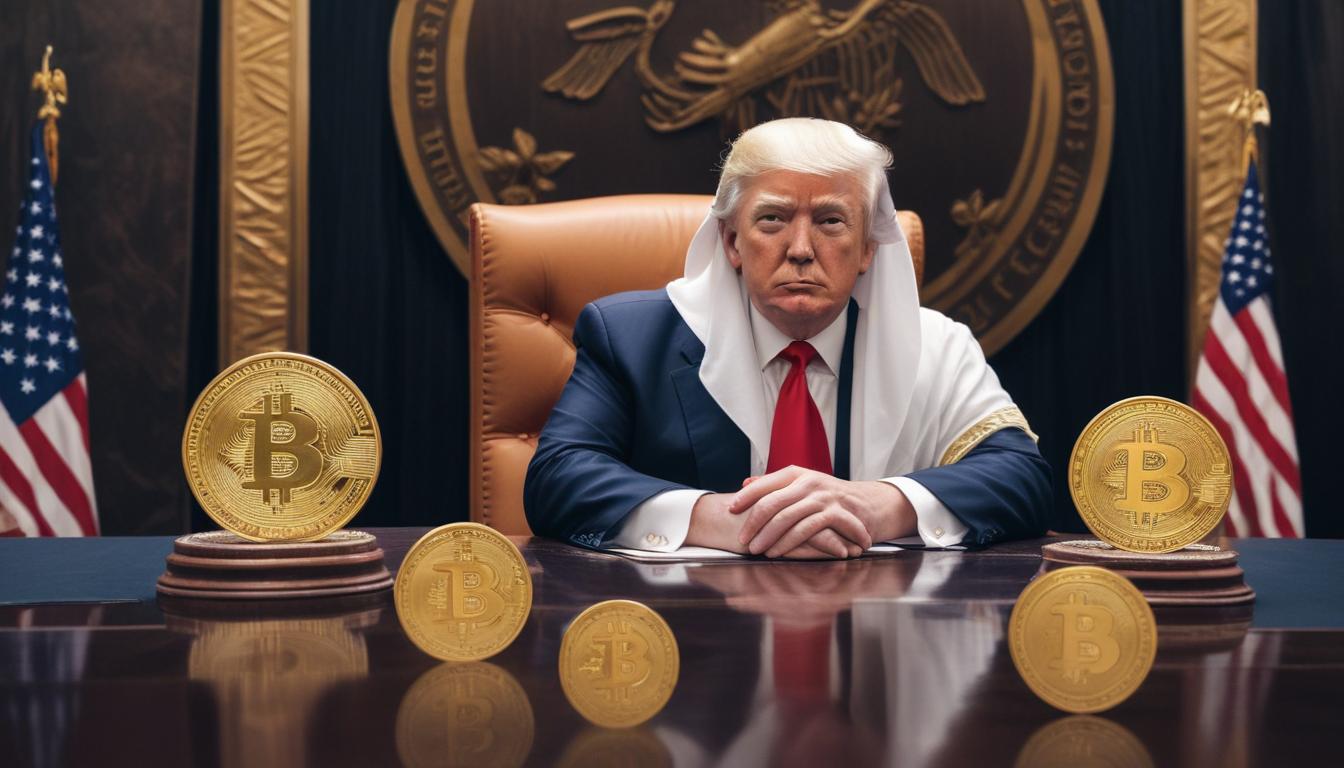
Trump's Vision for a 'Crypto Capital': The Digital Asset Summit Address
Former President Trump's pre-recorded address at the Blockworks Digital Asset Summit showcased his administration's ambitious goal of establishing the United States as a global leader in the cryptocurrency sector. While the exact summit date remains unstated in available information, the address served as a platform to reiterate his vision of the US becoming the "crypto capital of the world." This bold statement underscored the administration's dedication to fostering innovation and creating a robust regulatory framework for digital assets. For a deeper dive into the geopolitical implications of Trump's pro-crypto policies, see our previous analysis.
Promoting Innovation and Regulatory Clarity
Trump's address emphasized the transformative potential of blockchain technology to revolutionize traditional financial systems. He acknowledged the significant contributions of crypto and blockchain pioneers, praising their efforts to enhance privacy, security, and economic prosperity. This recognition signaled a positive stance towards the industry and a desire to create a supportive environment for growth. The administration's focus on stablecoins, particularly those pegged to the US dollar, suggested a strategic approach to integrating digital assets into the existing financial system while maintaining the dollar's dominance in global finance. This focus on stablecoins suggests a strategic approach to integrating digital assets into the national economic landscape. The administration pursued a series of pro-crypto initiatives, including executive orders focused on the creation of a Bitcoin strategic reserve and the formation of working groups to address cryptocurrency regulation. These actions demonstrate a proactive approach to integrating digital assets into the national economic landscape.
Read also: Trump's Crypto Gambit: Will it Reshape Global Finance? A Geopolitical Analysis
However, the market response to the summit and the announcement of the Bitcoin strategic reserve was reportedly negative, with Bitcoin experiencing a price decline. This reaction highlights market apprehension surrounding government involvement in the crypto space and concerns about potential compromises to decentralization. Industry lobbying efforts and differing policy perspectives reflected the broader spectrum of views on the role of government regulation in shaping the future of digital assets. This highlights the need for a balanced regulatory approach that fosters innovation while addressing concerns about decentralization and consumer protection.
Navigating Decentralization and Risk
The mixed reactions from market participants and experts underscore the complex challenges of balancing innovation with regulation in the cryptocurrency market. The long-term success of Trump's "crypto capital" vision hinges on the creation of a regulatory framework that fosters innovation, protects consumers, and safeguards the stability of the financial system. This intricate balancing act will be crucial in determining the US's role in shaping the future of the global crypto landscape.
Read also: US AI & Crypto: Inside David Sacks' UAE Tech Influence! 🚀
The differing perspectives on the role of government in the cryptocurrency market highlight the need for a nuanced approach to regulation that encourages responsible growth while mitigating potential risks. This balancing act requires careful consideration of issues such as market stability, consumer protection, and the preservation of the decentralized nature of cryptocurrencies. Ultimately, the success of this vision will depend on navigating these complexities to build a supportive environment for innovation while safeguarding against potential abuses.
US-UAE Partnership: A Catalyst for Global Crypto and AI Innovation?
The Trump administration's focus on emerging technologies laid the groundwork for collaborations that could reshape the global landscape. Discussions included artificial intelligence and potential avenues for increased UAE investment in the US. This nascent partnership carried considerable implications for technological advancement and investment in both nations, potentially influencing the trajectory of global crypto adoption and innovation.
Read also: Trump Family Backs WLF's SHOCKING Crypto Billions! DeFi Domination?
Exploring Synergies: The Convergence of Crypto, AI, and Strategic Investment
Al Nahyan's social media activity highlighted discussions with Sacks focusing on the intersection of AI and digital currencies, exploring investment opportunities. This indicates a shared interest in fostering innovation and capitalizing on the transformative potential of converging technologies. Simultaneously, President Trump's communications emphasized strengthening the US-UAE partnership to advance economic and technological goals. While specific details remained confidential, reports suggested increasing UAE investment in the US was a priority. This investment focus, combined with dialogues about crypto and AI, suggested possibilities for joint ventures accelerating technology development and adoption.
UAE's Strategic Tech Goals and the US Landscape
The UAE's interest in accessing computer chips, especially considering US export restrictions, added another layer to this partnership. Discussions with US officials, likely addressed ways to navigate these restrictions. Further, the UAE's plans to invest in US-based tech infrastructure, including AI data centers via MGX's "Stargate" project, demonstrated a commitment to contributing to the US technological landscape. This investment could stimulate innovation within the US crypto and AI sectors. MGX's previous investment in Binance further highlights the UAE's growing involvement in the crypto space.
Potential for Wider Global Crypto Adoption
The US-UAE collaboration on crypto and AI holds significant potential for the broader global crypto market. The combined resources and expertise could accelerate technological advancements, leading to the development of more sophisticated crypto solutions. Increased investment in the US crypto sector, fueled by UAE capital, could stimulate market growth and attract further global investment. The development of regulatory frameworks that balance innovation with consumer protection, a likely discussion point between the two nations, could provide a model for other countries seeking to regulate the crypto space. This approach to regulation could contribute to greater global regulatory harmonization, fostering a more stable environment for crypto adoption worldwide.
Navigating Challenges and Charting a Course for Growth
Despite the potential benefits, the US-UAE partnership also faced potential challenges. Differing regulatory approaches and national priorities could hinder seamless collaboration. Concerns about data security and privacy, particularly in AI development, needed addressing to ensure responsible innovation. Overcoming these challenges through dialogue and a commitment to shared goals would be crucial for maximizing the positive impact of this partnership on the global crypto landscape. By fostering a collaborative environment that encourages innovation, investment, and responsible regulation, the US and UAE could potentially pave the way for wider global crypto adoption, unlocking the transformative potential of this technology and significantly contributing to shaping the future of finance.
Trump-Linked Crypto Investments & Acquisitions: Renatus Tactical and Market Response
The intersection of former President Trump's political network and the expanding cryptocurrency market is embodied by entities such as Renatus Tactical Acquisition Corp I. This connection sparks both enthusiasm and caution due to increased regulatory interest. Renatus Tactical, with its close ties to figures from the Trump administration, provides a window into how politically connected entities can influence the acceptance and regulation of digital assets. The company's plans to acquire crypto and blockchain firms, along with its leadership structure, raise important questions about market confidence, regulatory effects, and the broader role of politically aligned organizations in the crypto space.
Renatus Tactical: A SPAC with Political Connections
Renatus Tactical Acquisition Corp I, a special-purpose acquisition company (SPAC), aims to leverage opportunities in the crypto and blockchain sectors. Based in the Cayman Islands, Renatus Tactical plans to raise $179 million through public and private offerings to acquire a U.S.-based crypto or blockchain company. Its connection to the Trump Media & Technology Group underscores the potential synergy between political influence and corporate activity in the cryptocurrency arena.
The leadership team at Renatus Tactical consists of individuals with strong ties to Trump Media, reinforcing its connection to the former president. Eric Swider, CEO of Renatus Tactical, also serves as a director at Trump Media, highlighting shared leadership. His previous role as CEO of Digital World Acquisition Corp. (DWAC), the SPAC that facilitated Trump Media's public listing, further strengthens his link to the Trump organization. Alexander Cano, the operating chief of Renatus Tactical, previously served as president at Digital World. Notably, Devin Nunes, CEO and chair of Trump Media, also chairs Renatus Tactical, creating a direct line of strategic alignment between the two entities.
This interwoven leadership raises questions about potential synergies, conflicts of interest, and whether Renatus Tactical's investment decisions are influenced by Trump Media's broader strategic goals. Potential synergies, conflicts of interest, and the influence of Trump Media's objectives on Renatus Tactical's investment decisions are all valid questions.
Acquisition Strategy and Rationale
While Renatus Tactical has not announced specific acquisition targets, its strategic focus is on businesses in data security and technology applications, covering both military and civilian sectors. This suggests interest in blockchain-based solutions for secure data management, cybersecurity, and other technological innovations using distributed ledger technology. While the SPAC is open to global acquisitions, it prioritizes high-potential U.S.-based companies, reflecting a commitment to domestic innovation and the growth of the U.S. crypto and blockchain ecosystem.
Renatus Tactical's entry into the crypto and blockchain space aligns with the Trump administration's past policy initiatives to integrate digital assets into the U.S. financial system. The company points to executive orders from early March, including establishing a Bitcoin reserve and a crypto stockpile, and a January directive to form a working group for cryptocurrency regulations. By linking its investment strategy to these policies, Renatus Tactical aims to capitalize on perceived opportunities created by a favorable regulatory environment for cryptocurrencies and blockchain technologies.
Market Sentiment and Regulatory Considerations
Renatus Tactical's entry into the crypto and blockchain market has drawn varied reactions, reflecting the complexities of politically connected ventures. Some view the company's investment plans as a positive sign for the long-term potential of cryptocurrencies and blockchain, potentially attracting further investment and market growth. The involvement of individuals tied to the Trump administration may be seen as a positive signal, especially by those advocating for a more favorable regulatory landscape.
Conversely, Renatus Tactical's connections to Trump Media have raised concerns about potential conflicts of interest and political influence on investment decisions. Critics suggest the company's focus on U.S.-based businesses may be driven by political motives rather than purely economic ones, leading to suboptimal investment choices. The close alignment between Renatus Tactical and the Trump administration also raises questions about regulatory capture, where political connections might secure preferential treatment or influence regulatory outcomes to benefit the company and its affiliates.
Regulatory scrutiny of SPACs and cryptocurrency investments adds another layer of complexity. Regulators have increased their oversight of SPACs, focusing on transparency, investor protection, and potential conflicts of interest. The cryptocurrency industry also faces evolving regulations, with ongoing debates about balancing innovation and mitigating risks like money laundering, terrorist financing, and investor fraud. Renatus Tactical's success hinges on navigating this complex regulatory environment, and any regulatory challenges or enforcement actions could significantly impact its investment prospects.
Comparison to Other Trump-Related Crypto Initiatives
Renatus Tactical is not the only instance of Trump-related ventures into the cryptocurrency market. The former president has expressed support for Bitcoin and indicated his administration would be open to the industry. Trump's launch of digital trading cards as NFTs shows his engagement with the crypto ecosystem and use of his brand to capitalize on opportunities.
Eric Trump's advisory role with Metaplanet, a Bitcoin-focused firm in Japan, further illustrates the Trump family's involvement in the crypto market. Metaplanet's choice to bring in Eric Trump highlights the value of his business experience and ties to the Bitcoin community. These initiatives raise questions about the family's overall strategy and its implications for market sentiment and regulation.
These Trump-related crypto initiatives share a focus on leveraging the former president's brand and political connections to promote digital asset adoption. However, they differ in scope, objectives, and potential impact. Renatus Tactical's focus on acquiring established crypto and blockchain businesses differs from Trump's NFT ventures and Eric Trump's advisory role at Metaplanet, indicating a potentially more strategic approach to the industry.
Potential Impact on Market Sentiment and Regulatory Outlook
The activities of Renatus Tactical and other Trump-related entities can significantly influence market sentiment and regulatory considerations. Involvement of politically connected figures can create excitement and apprehension among investors and regulators. On one hand, it can signal mainstream acceptance of cryptocurrencies and attract new capital. On the other hand, it can raise concerns about conflicts of interest, regulatory capture, and political influence on market outcomes.
The market's response to Renatus Tactical will depend on factors like its track record, the quality of its acquisitions, and the regulatory environment. Positive developments, such as successful acquisitions and favorable regulatory rulings, could boost market confidence. Conversely, negative events, like regulatory challenges or failed acquisitions, could erode confidence and negatively impact Renatus Tactical's prospects.
The regulatory implications of Renatus Tactical's activities are also significant. Regulators will likely scrutinize the company's operations to ensure compliance with securities laws and anti-money laundering regulations. Violations or enforcement actions could have serious consequences for Renatus Tactical and its affiliates, potentially undermining their ability to operate in the crypto space. Increased regulatory oversight and stricter enforcement of existing rules could stem from scrutiny of Renatus Tactical.
Politics' Enduring Influence on Crypto
The Renatus Tactical case highlights the persistent influence of politics on the cryptocurrency market. Despite the decentralized nature of cryptocurrencies, political factors significantly shape the industry's trajectory. Political connections, regulatory policies, and government actions profoundly impact the adoption, regulation, and overall success of cryptocurrencies and blockchain technologies.
As the cryptocurrency industry matures, investors, regulators, and policymakers must consider the interplay between political and economic forces. A nuanced understanding of these dynamics is crucial for navigating the complexities of the crypto space and ensuring its sustainable and responsible development. The activities of Renatus Tactical and other Trump-related entities highlight that the cryptocurrency market is not immune to political influence, which must be considered when assessing risks and opportunities.
In conclusion, the emergence of Renatus Tactical Acquisition Corp I, with its Trump administration ties, is a significant development in the cryptocurrency landscape. As it pursues acquisitions, its activities will be closely monitored by market participants, regulators, and policymakers. This underscores the complex interaction of political influence, market sentiment, and regulatory oversight in the cryptocurrency world, potentially shaping the future of digital assets.
Assessing the Legacy: Long-Term Effects of Trump's Crypto Policies
The Trump administration's cryptocurrency policy was a tapestry woven with threads of pro-innovation pronouncements, strategic international alliances, and the rise of politically-connected investment vehicles. This confluence of factors has created a complex legacy that continues to shape the digital asset landscape. A comprehensive assessment of the long-term effects necessitates a detailed examination of market reactions, regulatory developments, and evolving global adoption patterns observed during and after his tenure. This section delves into both the potential advantages and disadvantages stemming from these policies, while also exploring possible future scenarios influenced by past actions.
Market Reactions and Investment Trends After Pro-Crypto Signals
Despite former President Trump's stated ambition for the United States to become the "crypto capital of the world," and some supportive actions, market responses were not universally enthusiastic. For instance, the market seemingly reacted unfavorably to the Digital Asset Summit, where President Trump spoke, and the announcement of a Bitcoin strategic reserve, with Bitcoin experiencing a price dip shortly thereafter. This suggests that some market participants, particularly retail investors and Bitcoin maximalists, harbored reservations about government intervention and its possible effects on the core principle of decentralization. They likely viewed these actions with a degree of skepticism, questioning whether they genuinely served the interests of the crypto community or were merely attempts to exert control.
However, broader market indicators revealed increasing interest and investment in cryptocurrencies during and after the Trump administration. The activities of Renatus Tactical Acquisition Corp I, a SPAC closely associated with Trump Media, aiming to raise significant capital for acquiring crypto and blockchain firms, mirrored a wider trend of growing institutional interest in the sector. Even without precise financial data, the influx of capital from diverse sources indicates a growing recognition of the long-term potential of digital assets, irrespective of short-term market fluctuations. This influx of capital suggests that institutional investors were beginning to see the long-term value proposition of digital assets, viewing them as a potentially lucrative investment opportunity despite the inherent volatility.
Furthermore, the complexities surrounding US export restrictions on computer chips and the UAE's desire for easier access underscore the intertwined nature of technology, policy, and investment within the crypto and AI sectors. These restrictions, intended to protect national security and maintain technological leadership, indirectly impacted the development and deployment of cryptocurrency mining infrastructure and AI-related projects. The UAE's interest in circumventing these restrictions highlights the global competition for technological supremacy and the strategic importance of access to advanced computing resources.
Regulatory Developments: A Balancing Act
The Trump administration's regulatory approach to cryptocurrency was a balancing act between encouraging innovation and mitigating potential risks. The formation of the Working Group on Digital Assets and the inaugural White House Crypto Summit signaled a willingness to engage with the industry and establish a regulatory framework. These actions demonstrated a proactive stance toward the burgeoning crypto sector. However, they also ignited concerns regarding possible centralization and the influence of industry lobbying. Critics argued that the involvement of powerful industry players could lead to regulations that favored established interests and stifled competition from smaller, more innovative startups.
The Trump administration's support for dollar-backed stablecoins reflected a strategic interest in maintaining the US dollar's dominance in the global financial system. This approach sought to integrate digital assets into the existing financial framework, potentially ensuring the dollar's continued prominence in international trade and finance. However, this focus also raised concerns about possible centralization, as tighter regulation of stablecoins could grant undue power to a select few companies and institutions. While specific details of discussions remained confidential, the administration’s focus on investment, coupled with dialogues surrounding crypto and AI, hinted at potential joint ventures designed to accelerate the development and adoption of these technologies. This suggested a vision of the US as a hub for innovation, attracting foreign investment and fostering collaboration between domestic and international players.
The effectiveness of these regulations and the degree of their enforcement have significantly impacted the industry's trajectory. Navigating these complex regulatory landscapes presents a challenge for businesses, particularly as they weigh the benefits of the current administration's focus on crypto with potential future legislative and enforcement actions. Companies operating in the crypto space face the daunting task of complying with a patchwork of regulations that vary widely across different jurisdictions. This regulatory uncertainty can stifle innovation, discourage investment, and create barriers to entry for new players.
Global Shift in Cryptocurrency Adoption: The US-UAE Collaboration
The Trump administration's strategic partnerships, especially with the UAE, could have lasting implications for the global adoption of cryptocurrency. Discussions between US officials and UAE representatives concerning cryptocurrencies, AI, and potential investment opportunities indicated an acknowledgment of the transformative potential of these technologies. The potential easing of restrictions on computer chips and the UAE's planned investments in US-based tech infrastructure could have a beneficial impact on technological advancements in both nations, potentially influencing the global adoption of crypto and AI technologies. The UAE's existing investments, such as MGX's investment in Binance, further underscore the nation's commitment to the cryptocurrency space.
This collaboration held several potential implications for the broader global crypto market:
- Accelerated Technological Advancements: The combined resources and expertise of the US and the UAE could lead to breakthroughs in blockchain technology and the development of innovative crypto applications.
- Stimulated Market Growth: Increased investment in the crypto sector, fueled by UAE capital, could attract further global investment and drive market expansion.
- Fostered Global Regulatory Harmonization: Discussions on regulatory frameworks between the two nations could provide a model for other countries seeking to regulate the crypto space, promoting greater consistency and stability across international markets.
The relationship between the two nations may serve as a foundation for future collaboration in the crypto landscape, influencing how cryptocurrencies are integrated into the global economy. This could potentially pave the way for increased cross-border transactions, the development of global crypto standards, and the integration of digital assets into mainstream financial systems.
Renatus Tactical and the Influence of Political Affiliations
The emergence of entities like Renatus Tactical Acquisition Corp I, with its close ties to the Trump administration, highlights the growing influence of political affiliations in the cryptocurrency market. Renatus Tactical's ambition to acquire crypto and blockchain firms, coupled with its leadership connections to Trump Media, raises questions about market sentiment, regulatory implications, and the potential impact on the broader industry. The presence of politically connected individuals within the crypto space can create both opportunities and risks. On the one hand, it can attract investment and generate excitement. On the other hand, it can raise concerns about conflicts of interest and undue influence.
The company's stated intention to prioritize high-potential companies based in the United States reflects a desire to contribute to the growth of the US crypto and blockchain ecosystem. However, these connections also raise concerns about potential conflicts of interest and the undue influence of political considerations on investment decisions. Critics argue that investment decisions may be driven by political agendas rather than sound economic principles. The regulatory landscape surrounding SPACs and cryptocurrency investments adds another layer of complexity to the analysis of Renatus Tactical's activities, highlighting the challenges of navigating evolving regulations. SPACs have come under increased scrutiny from regulators, who are concerned about transparency and investor protection.
The presence of figures associated with the Trump administration may act as a signal to a particular segment of the market. This involvement indicates a larger trend of the Trump family engaging with the cryptocurrency market. The long-term impact will depend on the success of these ventures and how they are perceived in the broader cryptocurrency community. If these ventures prove to be successful and contribute to the growth of the crypto space, they could further legitimize the industry and attract more mainstream adoption. However, if they are marred by controversy or fail to deliver on their promises, they could damage the reputation of the crypto industry and discourage investment.
Potential Future Scenarios: Navigating Uncertainty
Looking ahead, the long-term effects of the Trump administration's crypto policies will depend on various factors, including the evolving regulatory landscape, the pace of technological innovation, and shifting geopolitical dynamics. Several potential scenarios could unfold:
- Scenario 1: Continued Growth and Mainstream Adoption: The industry could continue to mature, with increased institutional investment, greater regulatory clarity, and broader mainstream adoption of cryptocurrencies. This scenario would be characterized by a balanced approach to regulation that fosters innovation while protecting consumers, creating a stable and predictable environment for businesses to operate.
- Scenario 2: Regulatory Crackdown and Market Consolidation: A more stringent regulatory approach could stifle innovation and lead to market consolidation, with only the most well-capitalized and compliant companies surviving. This scenario would be characterized by increased government oversight and stricter enforcement of existing rules, potentially driving smaller players out of the market and concentrating power in the hands of a few large corporations.
- Scenario 3: Geopolitical Fragmentation and Digital Currency Rivalry: Differing regulatory approaches and national interests could lead to fragmentation of the global cryptocurrency market, with competing digital currencies and regulatory regimes emerging in different regions. This scenario would be characterized by increased uncertainty and complexity for businesses operating in the crypto space, making it difficult to conduct cross-border transactions and navigate the fragmented regulatory landscape.
The actual outcome will likely be a combination of these scenarios, with the cryptocurrency market navigating a complex and ever-changing landscape. The Trump administration's legacy, characterized by a mix of pro-innovation rhetoric, strategic partnerships, and political connections, will continue to shape the industry's trajectory for years. Understanding the potential impacts of the Trump administration's policies is crucial for stakeholders seeking to navigate the evolving crypto landscape.
Conclusion: A Mixed Legacy and an Uncertain Future
In conclusion, the Trump administration's approach to cryptocurrency created a mixed legacy with both positive and negative consequences. While the administration's pro-innovation rhetoric and strategic partnerships signaled a commitment to fostering growth, concerns about potential centralization and the influence of political affiliations remained. These concerns highlight the need for vigilance and a commitment to ensuring that the crypto space remains decentralized, transparent, and accessible to all.
Moving forward, the crypto community must navigate an evolving regulatory landscape, promote responsible innovation, and address potential risks to ensure the long-term sustainability and widespread adoption of digital assets. This requires collaboration between industry participants, policymakers, and regulators to develop clear, consistent, and balanced regulations that foster innovation while protecting consumers and preventing illicit activities. The future of cryptocurrency will depend on the collective efforts of industry participants, policymakers, and regulators to build a balanced and inclusive ecosystem that benefits all stakeholders. This collaborative approach is essential for ensuring that the crypto space reaches its full potential and contributes to a more innovative, efficient, and inclusive global financial system.
Trump's Crypto Legacy: A Complex Tapestry of Policy and Politics
Former President Trump's impact on the cryptocurrency landscape is multifaceted, marked by pro-crypto pronouncements, international partnerships, and the rise of politically-linked investments. This article explores the long-term implications of his administration's actions.
Key Takeaways:
- Market reactions to Trump's pro-crypto initiatives were mixed, with some showing apprehension towards government involvement and its potential impact on decentralization.
- The administration's focus on stablecoins and partnerships (like with the UAE) aimed to integrate digital assets into the existing financial system while fostering innovation, though this approach had both supporters and critics.
- Entities like Renatus Tactical, with close ties to the Trump administration, highlight the growing interplay between political influence and the cryptocurrency market, raising concerns about potential conflicts of interest and regulatory implications.
#Bitcoin Strategic Reserve #Crypto Investments #Trump Crypto Policies #US-UAE crypto #Digital Assets Summit #US Crypto Regulation