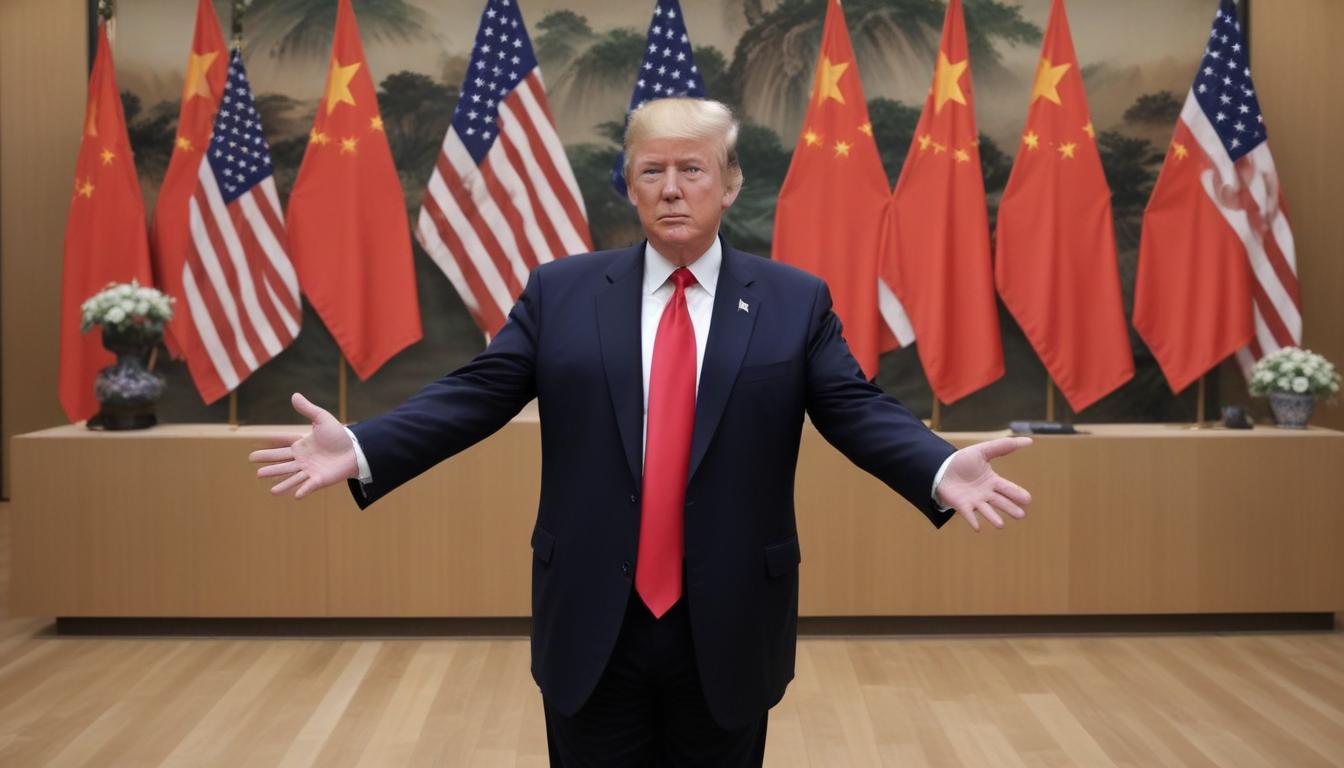
Decoding the Impact of Trump's Tariffs on Apple's Global Supply Chain
The imposition of tariffs on Chinese imports during the Trump administration wasn't just another headline; it was a seismic event that sent shockwaves through the meticulously crafted global supply chain of Apple, a company synonymous with technological innovation and market dominance. This wasn't simply a matter of increased costs; it was a direct challenge to Apple's core business model, its carefully cultivated pricing strategy, and ultimately, its investor confidence. Let's dissect this complex scenario, examining the specific mechanisms through which the tariffs impacted Apple and the resulting market reactions.
The Vulnerability of a Globalized Supply Chain:
Apple's reliance on Chinese manufacturing for a significant portion of its products—iPhones, iPads, Macs, and various accessories—placed it in a precarious position. The tariffs, initially implemented at a 10% rate on certain goods, effectively increased the cost of components and assembly, fundamentally altering Apple's cost of production. This wasn't just a minor accounting adjustment; it represented a substantial threat to Apple's ability to sustain its highly competitive pricing while preserving its already razor-thin profit margins. The immediate question for Apple's leadership became: absorb the increased costs, risking a dramatic drop in profitability, or pass them on to consumers, risking customer backlash and regulatory scrutiny?
A Tightrope Walk Between Profitability and Consumer Loyalty:
The choice Apple faced was a difficult one, a classic case study in strategic trade-offs. Absorbing the tariff costs entirely would have severely impacted profitability, a scenario potentially leading to a significant drop in Apple's stock price and eroding investor confidence. This option, while initially tempting to maintain the existing pricing strategy, was strategically untenable in the long run. The alternative—raising prices to offset the increased costs—presented an equally challenging scenario. Raising prices could alienate its fiercely loyal customer base, particularly in a highly competitive market already teeming with alternatives. Such a move would also have attracted scrutiny from consumer advocates and even the very administration that implemented the tariffs, potentially inviting further regulatory challenges. The situation became a complex calculation involving not only financial realities but also the potential for both a consumer and regulatory backlash.
Market Reaction: A Clear Reflection of Investor Sentiment:
The immediate market reaction to the news of the tariffs was a palpable decline in Apple's stock price. Investors, already accustomed to the inherent volatility of the tech market, reacted swiftly and negatively to this added layer of uncertainty. The drop reflected a recalibration of Apple's projected profitability, factoring in the potential for diminished margins or the need for potentially unpopular price increases. This market response underscored the crucial role of a stable and predictable supply chain in maintaining investor confidence, especially for a global behemoth like Apple. The volatility demonstrated the fragility of investor sentiment in the face of unexpected geopolitical events and their ripple effects on established multinational corporations.
Beyond Tariffs: The Convergence of Multiple Challenges:
Adding to Apple's woes was the near-simultaneous launch of an antitrust investigation into Apple's App Store practices by Chinese authorities. While seemingly unrelated to the tariffs, this development amplified the overall uncertainty surrounding Apple's operations in China, a strategically crucial market. This convergence of distinct challenges—tariffs impacting manufacturing and regulatory scrutiny threatening market access—created a perfect storm, significantly impacting Apple's stock price and investor confidence. The interconnectedness of global economics was starkly revealed, highlighting how seemingly disparate events can synergistically amplify negative consequences for multinational corporations.
A Case Study in Globalized Risk and Supply Chain Vulnerability:
The Trump administration's tariffs on Chinese imports served as a pivotal case study, exposing the inherent vulnerabilities of relying heavily on a single manufacturing region for a substantial portion of a company's production. The event underscored the potential for unexpected geopolitical events to significantly disrupt global supply chains and dramatically impact a company's bottom line. The uncertainty surrounding the long-term implications of the tariffs further fueled negative investor sentiment, as the market struggled to accurately predict the full extent of Apple's exposure and the potential for cascading consequences.
Navigating the Uncertainties: Apple's Strategic Response and the Road Ahead:
Apple's response to this unprecedented challenge involved a multifaceted approach that included exploring strategies to diversify its manufacturing base, negotiate with suppliers to mitigate cost increases, and engage in transparent communication with investors to manage expectations. The success of these strategies remains a subject of ongoing scrutiny, but the initiative highlights the adaptive capacity of a global leader. The situation served as a stark reminder of the dynamic interplay between global trade policy, sophisticated supply chain management, and the fickle nature of investor confidence. The long-term consequences of this episode will continue to shape Apple's strategic decisions and its approach to global supply chain management for years to come. Analyzing Apple's performance in the aftermath of the tariffs, and comparing it to its performance prior, provides a compelling insight into the resilience and adaptability of multinational corporations operating in a globally interconnected and often unpredictable environment. The following sections will delve into the broader implications of these events, exploring Apple's financial health, its response to regulatory scrutiny, and the overall outlook for its future growth and market dominance.## China's Antitrust Scrutiny: A Major Headwind for Apple's App Store Empire
The US tariffs weren't the only storm brewing on Apple's horizon; a simultaneous antitrust investigation by Chinese authorities into its App Store practices significantly complicated matters. This investigation, focusing on Apple's 30% commission structure and restrictions on third-party payment providers, poses a considerable threat to Apple's operations within a market vital to its global success. The potential consequences extend far beyond immediate financial losses, impacting Apple's long-term strategy, its brand reputation in China, and its relationships with both Chinese consumers and developers.
This isn't just another regulatory hurdle; it's a pivotal moment that highlights the increasing global scrutiny of tech giants and their market power. Let's delve into the specifics.
Apple's App Store Model Under the Microscope
Apple's App Store, a cornerstone of its services revenue, operates on a commission-based model where developers pay a 30% cut on in-app purchases. This model, while highly profitable for Apple, has drawn considerable criticism worldwide for its potential anti-competitive practices. China, with its rapidly expanding tech sector and growing emphasis on fair competition, has become a central focus for these concerns. The State Administration for Market Regulation (SAMR) launched an investigation directly targeting this commission structure, questioning its fairness and its potential stifling effect on innovation within the Chinese app ecosystem.
This isn't a new conversation. Globally, regulators and competitors have voiced concerns about the potential for such models to create barriers to entry for smaller developers, limiting consumer choice and hindering competition. The Chinese investigation brings this discussion to the forefront, specifically examining the impact within a crucial market. Apple's argument – that the 30% fee supports the development and maintenance of the App Store ecosystem – will be heavily scrutinized by the SAMR.
Third-Party Payment Restrictions: Fueling Antitrust Concerns
Further fueling the antitrust investigation are Apple's restrictions on third-party payment providers. By limiting payment options within the App Store, Apple exerts control over transactions, potentially stifling competition and reducing consumer choice. This practice, coupled with the high commission fees, has led to accusations of Apple exploiting its dominant market position to its benefit at the expense of both developers and consumers. The SAMR's investigation is likely to analyze the specific mechanics of these restrictions and their impact on the competitive dynamics within China's vibrant digital economy.
Consider the impact on Chinese developers. The inability to utilize preferred or more cost-effective payment processors could significantly hinder their growth and competitiveness. This directly impacts innovation within the Chinese app landscape, a key consideration for the SAMR.
Potential Consequences for Apple: A Multifaceted Threat
The potential consequences for Apple are significant and wide-ranging. A finding of anti-competitive practices could result in substantial fines, forcing Apple to alter its App Store policies, and potentially even restricting its operations in China. These outcomes would be more than just a financial blow; they would damage Apple's brand reputation and its image of fairness and transparency. The potential loss of a considerable portion of its user base in China, a market characterized by intense competition and rapidly growing demand, represents a major threat to Apple's long-term success.
Beyond the direct financial impact, the reputational damage could be even more substantial. Consumers value fairness and transparency. An adverse finding in this investigation could erode trust and damage Apple's brand loyalty in China, potentially affecting future product sales and expansion plans. This is a critical concern considering the size and growth potential of the Chinese consumer market.
Broader Implications: Global Regulatory Scrutiny of Tech Giants
The Chinese antitrust investigation also highlights a larger global trend. Governments worldwide are increasingly examining the influence of tech giants, their potential to suppress competition, and their impact on consumers. Apple's experience in China serves as a cautionary tale, illustrating that even the most successful companies can face major challenges from regulatory scrutiny, particularly in rapidly evolving markets with robust government oversight.
The investigation reinforces the need for tech companies to proactively address potential regulatory concerns, fostering sustainable and ethical business practices across their global operations. Proactive compliance and engagement with regulators could significantly mitigate the risks of negative outcomes from such investigations.
The Convergence of Challenges: Tariffs and Antitrust
The timing of the investigation, concurrent with the impact of US tariffs, exacerbates the challenges Apple faces. The combined pressure from trade disputes and regulatory scrutiny underscores the intricate and interconnected nature of 21st-century global business. This convergence amplifies the difficulties faced by multinational corporations operating in a complex and dynamic global environment.
This situation highlights the importance of diversification and risk management in global business strategy. Over-reliance on a single market or production source increases vulnerability to geopolitical risks and regulatory changes. Apple's current experience underscores this critical point.
Uncertainty and Market Response: A Volatile Situation
The outcome of the SAMR's investigation is uncertain, but its initiation alone has created considerable uncertainty for Apple and its investors. This uncertainty, coupled with the instability caused by the tariffs, has significantly impacted Apple's stock price. The situation serves as a stark reminder of the interconnectedness of geopolitical factors, regulatory environments, and corporate performance in the global marketplace.
Successfully navigating this challenge requires a multifaceted strategy that addresses both immediate financial pressures and the long-term implications for Apple's business model, its relationship with Chinese consumers, and its engagement with Chinese regulators. The long-term impact of this investigation remains to be seen, but it underscores the growing need for tech giants to proactively interact with regulators and adapt to the shifting landscape of global trade and antitrust concerns. The subsequent sections of this article will explore Apple's financial health and the market's long-term outlook on the company in light of these concurrent challenges.## Apple's Financial Health & Market Position: Weathering the Perfect Storm
Apple, a titan of the tech industry, finds itself navigating a complex and challenging landscape. Recent stock declines, fueled by escalating trade wars and intensified antitrust scrutiny, have raised serious questions about the company's long-term financial health and its ability to maintain its position as a global tech leader. While the immediate impact is reflected in stock price fluctuations, a deeper analysis reveals a nuanced picture of resilience alongside significant vulnerabilities. Understanding this intricate interplay is crucial for investors and market analysts alike.
Unwavering Revenue and Profitability: A Fortress of Strength
Despite the headwinds, Apple's financial foundation remains remarkably strong. Its total revenue continues to be substantial, a testament to the enduring global demand for its products and services. While specific figures fluctuate with market conditions, the sheer scale of its revenue provides a significant buffer against short-term economic shocks. This robust revenue base is further fortified by healthy profit margins, although the impact of increased production costs due to tariffs and other global factors necessitates continuous monitoring. Maintaining profitability in the face of these pressures requires proactive strategic adjustments, including careful consideration of supply chain diversification, pricing strategies, and operational efficiencies. However, Apple's long and well-documented history of shrewd cost management and effective pricing strategies suggests a considerable capacity to adapt to these challenges.
The key here is not simply focusing on the raw numbers, but on Apple's proven ability to manage its resources effectively. This is not a company that panics under pressure. Instead, their history shows a consistent ability to adapt and innovate their way through even the toughest market conditions. Their response to the global chip shortage is a prime example; their agile supply chain management allowed them to navigate that challenge with relatively minimal disruption. This adaptability bodes well for their ability to navigate current headwinds.
Debt Levels and Financial Leverage: A Measured Approach
While Apple's revenue and profitability are undeniable strengths, its debt-to-equity ratio demands careful consideration. A high ratio indicates a substantial reliance on debt financing, which, while not inherently problematic, introduces significant financial leverage. This leverage acts as a double-edged sword: it can accelerate growth during favorable economic conditions, but it can also exacerbate losses during downturns or periods of increased market uncertainty. The current global economic instability, compounded by Apple's specific challenges, underscores the critical importance of prudent debt management. Strategies aimed at reducing this leverage, such as optimizing cash flow management and implementing strategic debt reduction initiatives, will be crucial in ensuring long-term financial stability and mitigating risk. This is not just about reducing debt; it’s about actively managing the balance sheet to ensure that Apple can weather any storm.
We can look to Apple's past financial decisions as a benchmark. They have historically demonstrated responsible financial management. However, the current situation demands a more proactive approach to debt reduction to minimize vulnerabilities. The current global uncertainties call for a more conservative financial posture, ensuring Apple's resilience in the face of potential economic downturns.
Market Position and Competitive Landscape: Maintaining an Unassailable Lead
Apple's market dominance across several key sectors remains largely unchallenged. Despite the emergence of new competitors, the company’s exceptionally strong brand loyalty and its seamlessly integrated ecosystem continue to attract a vast and loyal customer base. This robust brand recognition and the established user base provide a powerful competitive advantage, acting as a buffer against short-term pressures stemming from tariffs and antitrust concerns. However, maintaining this dominant position requires continuous innovation and the ability to adapt to rapidly evolving market trends. Apple's successful diversification of its revenue streams, particularly through its burgeoning services sector, represents a key strategy for mitigating the risks associated with relying too heavily on any single product category. Investing heavily in research and development to create cutting-edge products and services is paramount for long-term competitiveness and sustainable growth.
The key takeaway is the importance of continuous innovation. Apple’s strength isn't just its current market share, it's its ability to consistently introduce groundbreaking products and services that keep its customers engaged and coming back for more. This commitment to innovation is what will allow them to maintain their competitive edge in the face of increasing competition.
Navigating Tariffs and Antitrust Scrutiny: A Proactive Approach
The impact of tariffs on Apple's intricate global supply chain and profitability is undeniably significant. The company has proactively sought strategies to mitigate these effects, including exploring diverse manufacturing locations and negotiating with suppliers to share some of the burden of increased costs. The success of these strategies will play a pivotal role in shaping the long-term implications of the tariffs on Apple's financial well-being. Similarly, the ongoing antitrust investigations demand a proactive and transparent approach from Apple. This involves open communication with regulators, demonstrating a unwavering commitment to fair business practices, and possibly adjusting its App Store policies to address valid competitive concerns.
The success of Apple's response to these challenges hinges on its ability to manage its relationships with both governments and competitors. By demonstrating a commitment to fair play, they can mitigate the risks associated with potential regulatory actions. Open communication with stakeholders can minimize negative outcomes and build trust with consumers and investors.
Conclusion: A Resilient Giant Adapting to New Realities
Apple’s financial health, while currently facing significant headwinds from trade conflicts and antitrust scrutiny, demonstrates remarkable resilience. Its considerable revenue, solid profitability, and dominant market position provide a robust foundation. However, the high debt-to-equity ratio and ongoing challenges necessitate strategic responses. Apple's ability to successfully navigate these obstacles through strategic supply chain diversification, effective debt management, continuous innovation, and proactive regulatory engagement will be crucial in determining its continued success and enduring market leadership. The interplay between these challenges and prevailing market sentiment will shape Apple's future trajectory and investor confidence. Investing in Apple requires understanding this complex interplay and having a long-term perspective on the company's adaptability and resilience.## Apple's Future: Navigating the Perfect Storm of Tariffs and Antitrust Scrutiny
Apple, a global tech behemoth, finds itself facing a confluence of challenges that have sent ripples through its stock price and investor sentiment. The imposition of US tariffs and the simultaneous launch of an antitrust investigation in China have created a "perfect storm," demanding a nuanced understanding of the short-term risks and the long-term potential. While the immediate impact has been negative, a deeper dive reveals a company with remarkable resilience, poised for long-term growth, but requiring deft navigation of the current headwinds.
Deciphering Analyst Opinions: A Spectrum of Price Targets and Predictions
The market's reaction to Apple's predicament is far from monolithic. While short-term stock price volatility reflects immediate concerns, the landscape of analyst recommendations presents a more complex picture. Many maintain a positive outlook, suggesting enduring confidence in Apple's capacity to weather the storm. The average price target, while lower than previous peaks, still signals a belief that Apple stock is undervalued, pointing to a disconnect between short-term market anxieties and long-term growth projections. This disparity reveals the intricate dance between immediate market anxieties focused on increased production costs and potential regulatory hurdles, and a longer-term view that accounts for Apple's history of innovation and adaptability.
The range of analyst price targets further underscores the inherent uncertainty. While some analysts maintain considerably higher targets, reflecting bullish expectations for future growth fueled by Apple's ongoing innovation, others offer more conservative estimates, acknowledging the substantial challenges the company faces. This divergence highlights the difficulty in precisely forecasting Apple's future performance, with differing assessments of its ability to mitigate the effects of tariffs, navigate the antitrust investigation, and retain its competitive edge in an ever-evolving tech landscape. This multifaceted perspective underscores the need for a well-diversified investment strategy and careful consideration of both short-term risks and long-term growth potential.
Market Volatility: Understanding the Macroeconomic Impact on Apple's Stock
Adding another layer of complexity is the inherent volatility of the global financial markets. External factors, such as global economic uncertainty, shifts in investor risk appetite, and geopolitical tensions, exert significant influence on Apple's stock price, independent of its specific circumstances. During periods of heightened market uncertainty, negative news tends to be amplified, disproportionately affecting even fundamentally sound companies like Apple. Therefore, the current stock price may not accurately reflect Apple's intrinsic value but rather a temporary market overreaction to a combination of company-specific challenges and broader macroeconomic anxieties. This means a comprehensive analysis must incorporate not only Apple's operational resilience but also the broader trajectory of global financial markets.
The interplay between macroeconomic factors and Apple's specific challenges requires a multifaceted approach to investment strategy. Diversification, careful risk assessment, and a long-term perspective are crucial in mitigating the negative impacts of market volatility. Investors should consider macroeconomic indicators and global economic trends alongside Apple's specific performance metrics when making investment decisions.
Apple's Strategic Countermeasures: Mitigating Risks and Restoring Confidence
Apple's response to these challenges will be instrumental in shaping its future trajectory. Its strategies for mitigating the impact of tariffs, such as diversifying its supply chain, are crucial to maintaining profitability and investor confidence. Simultaneously, its proactive engagement with Chinese regulators regarding antitrust concerns will directly impact its ability to access and maintain its significant presence in the Chinese market. Transparent communication about these efforts, coupled with a clear commitment to ethical business practices, is paramount to restoring investor confidence and fostering future growth. Successful execution of these strategic responses can significantly influence the market's perception of Apple's long-term potential and contribute to a resurgence in its stock price. The effectiveness of these strategies will be closely monitored by investors and analysts alike.
The key to navigating these challenges is proactive and transparent communication. This includes regular updates on supply chain diversification strategies, proactive engagement with regulators, and clear articulation of the company's commitment to ethical business practices. By effectively communicating these initiatives, Apple can build and maintain investor confidence and trust.
Long-Term Growth Potential: Innovation, Diversification, and Market Leadership
Despite the immediate concerns, Apple's long-term growth potential remains substantial. Its strong brand reputation, loyal customer base, and diversified revenue streams, especially the services sector, provide a solid foundation for future expansion. Continuous innovation in both hardware and software remains crucial for maintaining this growth trajectory. The introduction of new products and services, along with enhancements to existing offerings, can re-energize investor enthusiasm and counterbalance the negative impact of short-term obstacles. Apple's capacity to adapt to evolving consumer preferences and technological advancements will be paramount in maintaining its market leadership and driving future stock performance. This ability to consistently innovate and adapt to changing market dynamics has been a hallmark of Apple's success for decades and is expected to continue to be a significant driver of future growth.
Apple's long-term success hinges on its ability to maintain its innovative edge. Continued investment in research and development, coupled with the strategic expansion of its services sector, will be key to driving future growth and maintaining its competitive advantage. This commitment to innovation and diversification mitigates the risks associated with relying on any single product category or market.
Navigating Uncertainty: A Cautious Yet Optimistic Outlook for Apple
In conclusion, while Apple faces considerable short-term headwinds stemming from trade tensions and regulatory scrutiny, its long-term prospects remain relatively positive, supported by analyst sentiment and its robust financial fundamentals. However, successfully navigating these challenges requires strategic adaptation and effective communication with investors. The extent to which Apple executes these strategies will ultimately determine the trajectory of its stock price and solidify investor confidence in its long-term growth potential. The market's ultimate reassessment will depend on Apple's ability to mitigate the impact of tariffs, address regulatory concerns, and continue its proven track record of innovation and market leadership. Continuous innovation, strategic adaptation, and transparent communication will be critical to sustaining Apple's long-term growth and reinforcing investor confidence.
The combination of these factors suggests a cautiously optimistic outlook for Apple. While the short-term challenges are significant, the company's resilience, innovative capacity, and strong financial foundation provide a strong basis for long-term growth. Investors should consider a long-term investment strategy that accounts for both the short-term risks and the substantial long-term potential.## Apple's Resilience Amidst Tariffs and Antitrust Scrutiny
Apple faces a complex situation due to US tariffs and Chinese antitrust investigations. This article analyzes the challenges and Apple's potential responses.
Key Takeaways:
- Tariffs increased Apple's production costs, forcing difficult choices between profitability and consumer pricing.
- The Chinese antitrust investigation targets Apple's App Store practices, potentially impacting its operations in a key market.
- Despite these challenges, Apple's strong fundamentals, innovative capacity, and brand loyalty suggest long-term resilience. Diversification strategies are key to navigating this uncertain landscape.
#Supply Chain #tech industry #Financial Health #China Antitrust #Apple #Trump Tariffs #App Store #Global Trade #Market Analysis #Investor Confidence