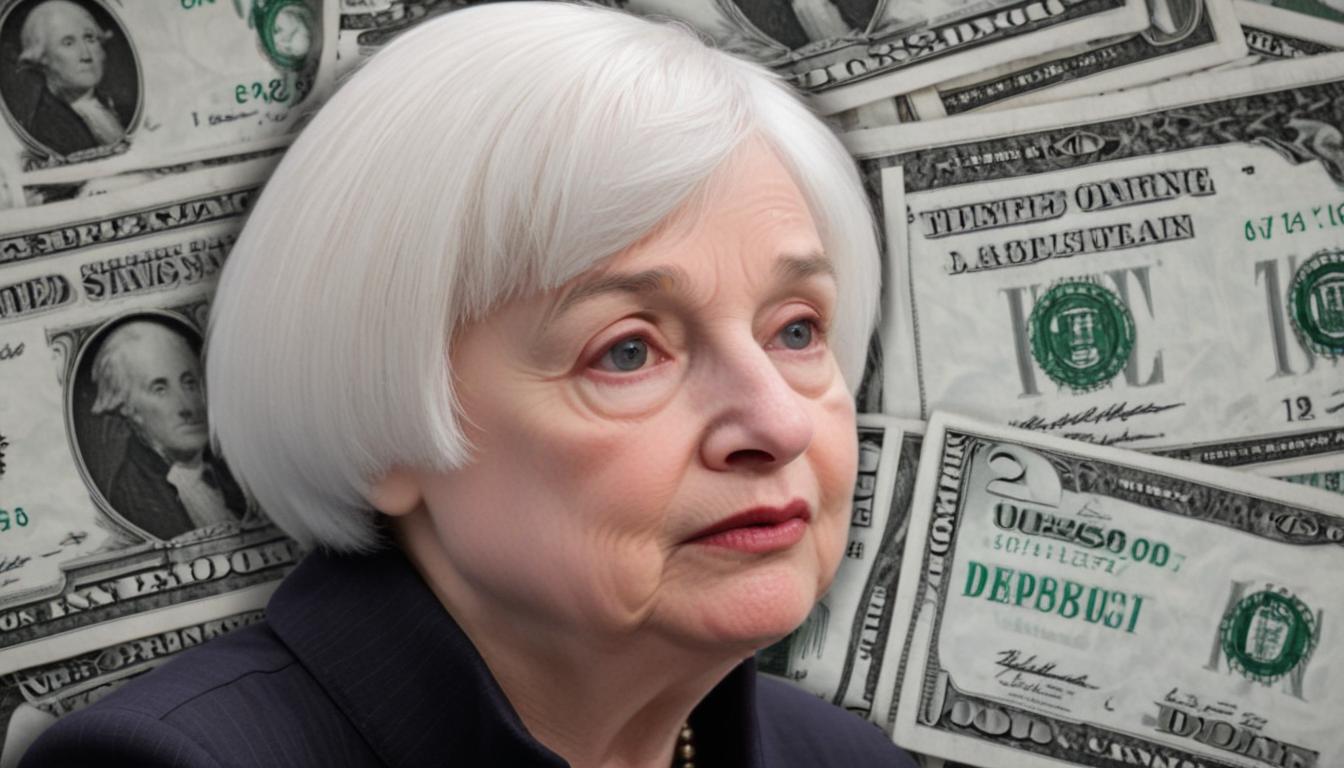
Yellen's Stark Warning: Trump-Era Policies and the Looming Recession Risk
Concerns about the U.S. economy's stability have intensified following warnings from former Treasury Secretary Janet Yellen, who directly linked President Trump's economic policies to an increased risk of a US recession. This assessment carries significant weight within the financial world, especially for cryptocurrency investors deeply intertwined with broader macroeconomic trends. Let's examine Yellen's concerns and their potential implications.
Yellen's Credibility: A Data-Driven Perspective on Recession Risk
Janet Yellen's warnings regarding a potential US recession stemming from the Trump administration's economic policies command attention due to her extensive experience and respected reputation in economics. Her career reflects a steadfast commitment to data-driven analysis and a nuanced understanding of complex economic systems.
Her impressive resume includes serving as Chair of the Federal Reserve (2014-2018), a period marked by steady growth and low unemployment following the 2008 financial crisis. During this tenure, she carefully managed the unwinding of quantitative easing and initiated interest rate hikes, demonstrating a pragmatic approach to monetary policy. Previous roles such as Vice Chair of the Federal Reserve, President and CEO of the Federal Reserve Bank of San Francisco, and Chair of the Council of Economic Advisers under President Clinton further solidify her expertise. This deep involvement in economic policy across various administrations provides a unique perspective on the long-term consequences of policy decisions.
Yellen's recession concerns aren't based on speculation but on a rigorous analysis of economic indicators and potential risks. Her understanding of interconnected economic factors allows her to identify vulnerabilities often overlooked. This is why her warnings resonate with economists, policymakers, and market participants. Her assessment of increased recession risk under Trump's policies reflects informed judgment grounded in decades of experience, not political bias.
Unpacking Yellen's Concerns: Specific Policy Critiques
To understand Yellen's recession warnings fully, we must examine the specific policies she criticized within the Trump administration's economic approach. Her concerns primarily focus on three key areas: trade policy, fiscal policy, and the impact of uncertainty on business confidence.
Trade Policy and the Tariff Fallout: The Trump administration's protectionist trade policy, marked by tariffs on goods from various countries (especially China), drew considerable criticism from Yellen. While proponents argued for protection of domestic industries and job creation, Yellen and many economists warned of higher consumer prices, reduced competitiveness for American businesses, and retaliatory measures from other nations.
These tariffs acted as a tax on imports, increasing production costs for businesses reliant on them. Consequently, consumer prices rose, dampening purchasing power and demand. Retaliatory tariffs from other countries further harmed U.S. businesses relying on international markets.
Beyond the direct economic consequences, Yellen highlighted the uncertainty created for businesses. The unpredictable nature of trade negotiations and fluctuating tariff rates hindered long-term planning and investment. This uncertainty discouraged investment and hiring, slowing economic growth. The resulting "trade wars" damaged global supply chains, fostering distrust and negatively impacting international trade and investment—factors directly contributing to the increased recession risk.
Fiscal Policy: Tax Cuts and the National Debt's Shadow: Another major concern was the Trump administration's fiscal policy, particularly the Tax Cuts and Jobs Act of 2017. While proponents claimed the significant reduction in corporate and individual income tax rates would stimulate growth, Yellen argued these cuts were poorly timed—implemented during a period of healthy economic growth.
This pro-cyclical fiscal stimulus, boosting an already expanding economy, risked overheating and inflationary pressures. Furthermore, the tax cuts significantly increased the national debt, raising concerns about long-term fiscal sustainability. While some argued the tax cuts would pay for themselves through increased growth, Yellen challenged this assumption, citing historical evidence suggesting otherwise.
The consequences of a ballooning national debt are multifaceted: increased government borrowing costs, potentially leading to higher interest rates for businesses and consumers; crowding out of private investment; and increased vulnerability to economic shocks due to limited fiscal space to respond to unexpected crises. These factors significantly contributed to the heightened recession risk.
Uncertainty and Business Confidence: The Intangible Yet Powerful Factor: Beyond the direct economic effects, Yellen emphasized the crucial role of business confidence. The Trump administration's unpredictable economic policies, coupled with frequent policy reversals and public pronouncements, generated substantial uncertainty among businesses. This uncertainty discouraged investment and hiring, as companies hesitated to commit resources amidst the policy ambiguity.
Business confidence is a powerful engine of economic growth. Confident businesses invest, expand, and hire, boosting productivity and wages. Conversely, uncertainty leads to delayed investment, reduced hiring, and decreased spending—factors contributing to slower growth or even recession. The unpredictable nature of trade policy, potential for sudden regulatory changes, and the overall political climate under the Trump administration all fostered business uncertainty, a key driver behind Yellen's recession risk assessment.
Global Interconnectedness: The Ripple Effect of U.S. Economic Policy
The U.S. economy is deeply integrated into the global economy. The Trump administration's economic policies generated ripple effects beyond U.S. borders, impacting global trade flows, international investment, and overall global economic stability.
The trade wars disrupted global supply chains, forcing businesses to find alternative suppliers and adjust production processes—adding costs and uncertainty. The increased use of tariffs undermined the rules-based international trading system, creating distrust and instability.
The administration's fiscal policies also had global implications. The increased U.S. national debt put upward pressure on global interest rates, potentially crowding out investment in other countries. The widening U.S. budget deficit could lead to a larger current account deficit, impacting the U.S. dollar's value and influencing the competitiveness of U.S. exports and imports. This global interconnectedness emphasizes that economic policies in one country have significant consequences for others. The Trump administration's policies contributed to increased global uncertainty and potential risks, further impacting the US recession risk.
Conclusion: Vigilance and Prudent Management in Uncertain Times
Janet Yellen's warnings regarding the potential for a US recession resulting from Trump-era economic policies are serious and demand attention. Her expertise lends significant credibility to her concerns. The specific policies she highlighted—trade, fiscal, and the impact of uncertainty on business confidence—all carry the potential to trigger an economic downturn.
While precise prediction is impossible, Yellen's analysis underscores the importance of sound economic policies and the dangers of prioritizing short-term gains over long-term stability. Individuals and businesses must remain vigilant, stay informed about economic trends, and manage their finances prudently. The cryptocurrency market, like all financial sectors, is sensitive to broader economic shifts and should be approached with caution and preparedness. Understanding and managing these risks is crucial for navigating the current economic climate.
Deconstructing Trump's Economic Policies: Trade, Fiscal Measures, and Economic Confidence
Donald Trump's economic policies sparked considerable debate, with varied opinions on their ultimate impact. Analyzing these policies through the lens of trade tariffs, fiscal stimulus, deregulation, and immigration offers a clearer understanding of their effects on the U.S. economy and potential recessionary risks. Examining these policies individually and collectively is crucial for grasping their possible advantages and disadvantages, especially concerning Janet Yellen's warnings about a possible recession.
Trade Tariffs: Balancing Domestic Needs and Global Realities?
A central element of the Trump administration's economic strategy was the assertive use of trade tariffs, particularly targeting China. The goal was to safeguard domestic industries, restore manufacturing jobs, and decrease the trade deficit. However, the execution and consequences of these tariffs were complex. While some domestic sectors may have seen temporary gains, the broader economic implications often proved unfavorable.
One of the main concerns was the rise in expenses for American businesses. Tariffs on imported goods effectively functioned as a tax, inflating the price of raw materials and components utilized in manufacturing. This, in turn, led to increased costs for consumers, diminishing their buying power and weakening overall demand. For instance, tariffs on steel and aluminum increased expenditures for the automotive and construction industries, influencing affordability and possibly decelerating expansion.
Additionally, the implementation of tariffs triggered retaliatory actions from other nations, resulting in trade wars that disturbed global supply chains. American farmers, particularly, endured hardship as crucial export markets were shut off, leading to reduced prices and diminished income. The agricultural sector, heavily reliant on exports, encountered considerable difficulties due to these retaliatory tariffs.
Read also: Helium's SEC Victory: Is This the End of Crypto Regulation Chaos?
Although proponents contended that tariffs would compel companies to shift production back to the U.S., the reality was often more intricate. Numerous companies opted to transfer production to other low-cost nations instead, bypassing U.S. manufacturing entirely. The effect on the trade deficit was also constrained, as imports from other countries grew to compensate for the decrease in imports from China. This implies that tariffs alone were not a practical means of resolving the fundamental problems contributing to the trade imbalance.
Moreover, the trade wars fostered an environment of international strain and mistrust, undermining the rules-based international trading system, which had long-term ramifications for global economic collaboration and stability, making it more challenging to tackle shared challenges like climate change and pandemics. The lasting effects of these trade disruptions persist, adding to ongoing economic uncertainty and instability.
Fiscal Stimulus: Analyzing Tax Cuts and National Debt Implications
The Tax Cuts and Jobs Act of 2017 signified a substantial revision of the U.S. tax system, featuring considerable decreases in corporate and individual income tax rates. The reasoning behind these tax cuts was to fuel economic growth by incentivizing investment and job creation. However, critics asserted that the tax cuts were inappropriately timed and fiscally reckless, worsening income inequality and fueling the increasing national debt.
One major worry was that the tax cuts were introduced during a period of already robust economic expansion, possibly causing an overheating of the economy. By injecting additional stimulus into an economy already operating near full capacity, the tax cuts risked fueling inflationary pressures and creating unsustainable asset bubbles.
Furthermore, the tax cuts were projected to add trillions of dollars to the national debt over the next decade. While supporters claimed the tax cuts would pay for themselves through enhanced economic growth, this assertion was highly disputed. Historical evidence indicates that tax cuts frequently result in higher deficits, particularly when implemented during periods of economic expansion. The rise in the national debt prompted apprehensions about long-term fiscal sustainability and the government's capacity to respond to future economic downturns.
A significant national debt can also lead to higher borrowing expenses for the government, as investors may demand higher interest rates to compensate for the increased risk. This higher cost of borrowing can then translate into higher interest rates for businesses and consumers, dampening economic activity.
Read also: David Marcus's SHOCKING Bitcoin Proposal: Will it Reshape Global Finance?
Additionally, a substantial national debt can crowd out private investment, as the government competes with private borrowers for available funds. This can diminish the overall level of investment in the economy, hindering long-term growth. A high level of debt can also make a nation more susceptible to economic shocks, as it possesses less fiscal flexibility to address unforeseen events.
The distributional consequences of the tax cuts were also a topic of discussion. Critics contended that the benefits of the tax cuts were disproportionately skewed toward higher-income earners and corporations, exacerbating income inequality. While supporters argued that the tax cuts would trickle down to lower-income earners through job creation and increased wages, evidence suggests this effect was limited.
In summary, while the tax cuts may have offered a short-term boost to economic growth, they also created long-term fiscal challenges and amplified income inequality. The trade-off between short-term stimulus and long-term sustainability remains a crucial point of contention in the debate over the tax cuts.
Deregulation: Finding a Balance Between Economic Growth and Potential Risks
The Trump administration also pursued a policy of deregulation, reversing environmental and financial regulations to alleviate the burden on businesses and stimulate economic growth. Advocates argued that these regulations stifled innovation and investment, while critics cautioned that deregulation could result in environmental harm and financial instability.
One of the main areas of deregulation was in the environmental sector, where the administration eased restrictions on coal-fired power plants, weakened emissions standards for vehicles, and withdrew from the Paris Agreement on climate change. These actions were criticized for undermining efforts to combat climate change and protect the environment.
Critics also argued that deregulation could lead to increased pollution, health problems, and environmental degradation. The long-term costs of these environmental impacts could outweigh any short-term economic benefits from deregulation.
In the financial sector, the administration also aimed to weaken regulations put in place after the 2008 financial crisis. These regulations were designed to prevent excessive risk-taking by banks and other financial institutions. Critics warned that weakening these regulations could increase the risk of another financial crisis.
Proponents of deregulation, conversely, argued that these regulations were overly burdensome and stifled economic growth. They claimed that the regulations made it more difficult for businesses to invest, hire, and innovate. Deregulation also lowered compliance costs for businesses, freeing up resources for investment and expansion.
However, the potential benefits of deregulation must be weighed against the risks of environmental damage and financial instability. Striking the right balance between regulation and deregulation is crucial for ensuring sustainable economic growth.
Immigration Policies: Analyzing Impact on Labor Markets and Economic Growth
The Trump administration implemented a series of restrictive immigration policies, aimed at reducing the number of immigrants entering the U.S. These policies included increased border security, stricter enforcement of immigration laws, and limitations on legal immigration. While proponents argued that these policies would protect American jobs and wages, critics warned that they could lead to labor shortages and slower economic growth.
Immigration has historically played a significant role in the U.S. economy, contributing to both labor supply and demand. Immigrants often fill jobs that native-born workers are unwilling or unable to do, particularly in sectors such as agriculture, construction, and healthcare.
Restrictive immigration policies can lead to labor shortages in these sectors, driving up wages and potentially slowing down economic growth. Reduced immigration can also lead to slower population growth, which can have long-term implications for the economy. A declining population can reduce the size of the labor force, lower overall demand, and make it more difficult to support social security and other entitlement programs.
Immigrants also contribute to innovation and entrepreneurship, starting new businesses and creating jobs. Restrictive immigration policies can stifle this dynamism, reducing the overall level of innovation in the economy.
However, proponents of restrictive immigration policies argue that they protect American jobs and wages by reducing the supply of labor. They also argue that immigrants can strain public resources, such as schools and hospitals.
The economic impact of immigration is a complex and hotly debated issue. While there are potential costs associated with immigration, the evidence suggests that, on balance, immigration has a positive impact on the U.S. economy. Restrictive immigration policies can have unintended consequences, leading to labor shortages, slower economic growth, and reduced innovation.
Cumulative Impact and Recessionary Risks: A Holistic View
The individual economic policies implemented by the Trump administration had significant impacts, but their cumulative effect is what truly raises concerns about potential recessionary risks. The combination of trade tariffs, fiscal stimulus, deregulation, and restrictive immigration policies created a complex and often contradictory economic environment.
The trade wars, while intended to protect domestic industries, disrupted global supply chains and increased costs for businesses and consumers. The tax cuts, while providing a short-term boost to economic growth, added trillions of dollars to the national debt and exacerbated income inequality. The deregulation efforts, while aimed at reducing the burden on businesses, raised concerns about environmental damage and financial instability. And the restrictive immigration policies, while intended to protect American jobs, led to labor shortages and slower economic growth.
These policies, taken together, created a climate of uncertainty and instability, discouraging investment and dampening overall economic activity. The unpredictable nature of the Trump administration's economic policies, coupled with frequent policy reversals and public pronouncements, created an environment of uncertainty for businesses. This uncertainty discouraged investment and hiring, as companies became hesitant to commit resources to new projects when they were unsure about the future policy landscape.
Moreover, the policies led to increased income inequality, with the benefits of economic growth disproportionately accruing to higher-income earners and corporations. This created social and political tensions, further undermining economic stability.
The rising national debt also posed a significant challenge. As the debt continues to grow, it could lead to higher interest rates, crowding out private investment and making it more difficult for the government to respond to future economic downturns.
Yellen's warnings about the increased risk of a recession reflect these concerns. The combination of unsustainable fiscal policies, trade tensions, and regulatory uncertainty created a fragile economic environment, making the U.S. economy more vulnerable to shocks and downturns.
While it is impossible to predict the future with certainty, Yellen's analysis serves as a valuable reminder of the importance of sound economic policies and the potential risks of policies that prioritize short-term gains over long-term stability.
Business Confidence: A Key Economic Indicator
Business confidence is a critical driver of economic growth and stability. When businesses are confident about the future, they are more likely to invest in new equipment, expand their operations, and hire more workers. This increased investment and hiring can then lead to higher productivity, higher wages, and stronger economic growth. Conversely, when businesses are uncertain about the future, they are more likely to postpone investment decisions, reduce hiring, and cut back on spending. This can lead to slower economic growth or even a recession.
The Trump administration's economic policies had a mixed impact on business confidence. On the one hand, the tax cuts and deregulation efforts were welcomed by many businesses, who saw them as reducing their tax burden and regulatory compliance costs. This led to an initial surge in business confidence and investment.
However, the trade wars and the unpredictable nature of the administration's policies created significant uncertainty for businesses. The frequent policy reversals and public pronouncements made it difficult for companies to plan for the future. The imposition of tariffs on imported goods increased costs for businesses and disrupted supply chains.
This uncertainty dampened business confidence and discouraged investment. Many companies postponed investment decisions or shifted production to other countries in response to the trade wars. The unpredictable nature of trade policy and the potential for sudden regulatory changes created an environment of risk and uncertainty for businesses.
Yellen emphasized the importance of business confidence as a key factor in determining the overall health of the economy. The policies created an environment of uncertainty for businesses, which could have a significant negative impact on economic growth.
Conclusion: Analyzing the Economic Landscape
Deconstructing Trump's economic policies reveals a complex interplay of intended benefits and unintended consequences. The assessment of trade tariffs, fiscal stimulus through tax cuts, deregulation initiatives, and immigration restrictions each exerted distinct pressures on the U.S. economy, contributing to an environment of both opportunity and risk.
While some policies, like the initial tax cuts, spurred short-term growth, the longer-term implications, such as the ballooning national debt and exacerbated income inequality, raise concerns about fiscal sustainability. Trade tariffs, intended to protect domestic industries, instead disrupted global supply chains and elevated consumer prices, sowing uncertainty among businesses. Deregulation efforts, while aiming to alleviate business burdens, sparked debates about environmental protection and financial stability. Furthermore, restrictive immigration policies, while appealing to some segments, risked labor shortages and stifled economic dynamism.
These policies, when combined, created a complex and often contradictory economic landscape, making it challenging for businesses to make informed decisions and for individuals to plan their financial futures. The cumulative impact heightened the vulnerability of the U.S. economy to external shocks, contributing to an environment that Yellen has identified as carrying a heightened risk of recession.
Understanding these multifaceted impacts is crucial for individuals, businesses, and policymakers alike. As we navigate this complex economic terrain, vigilance, informed decision-making, and a commitment to long-term stability will be essential to mitigate potential risks and foster sustainable economic growth. The implications of these policies are profound and will continue to shape the economic landscape for years to come.
Treasury Yields as an Economic Barometer: Understanding the Signals
Treasury yields, representing the return on investment from U.S. government bonds, are a vital leading economic indicator, providing insights into the economy's overall health and trajectory. Their importance stems from their role as a benchmark for interest rates throughout the financial system, which influences borrowing costs, inflation expectations, and overall market sentiment. Monitoring and interpreting these signals is crucial, especially considering concerns about potential economic instability.
How Rising Treasury Yields Impact the Economy
A rise in Treasury yields has broad implications, affecting various sectors of the economy. Understanding these ripple effects is essential for investors and policymakers alike.
1. The Direct Link to Increased Borrowing Costs: Treasury yields directly impact borrowing costs for both businesses and consumers. Banks use Treasury yields as a benchmark when setting interest rates for mortgages, loans, and corporate debt. As yields rise, borrowing becomes more expensive, potentially dampening investment and consumer spending. This reduction in economic activity can contribute to slower GDP growth and, in severe cases, even trigger a recession. Businesses that heavily rely on debt financing for expansion or day-to-day operations are particularly vulnerable to this effect.
2. Inflationary Pressures and Expectations: Rising Treasury yields can signal market expectations of future inflation. Investors often demand higher yields to compensate for the anticipated erosion of purchasing power caused by inflation. A significant increase in yields may indicate that investors expect a more inflationary environment. This can prompt the Federal Reserve to intervene and curb inflation through monetary policy adjustments, such as raising interest rates. This tightening of credit conditions can further impact economic growth by making it more expensive for businesses and individuals to borrow money.
3. The Housing Market's Sensitivity to Yield Changes: The housing market is particularly sensitive to fluctuations in Treasury yields. Mortgage rates are commonly linked to these yields, meaning that an increase in Treasury yields usually translates to higher mortgage rates. This makes homeownership more expensive, potentially cooling demand in the housing market and impacting real estate prices. This effect can then ripple through the construction industry and related sectors, contributing to a broader economic slowdown. For example, a sustained increase in mortgage rates can reduce home sales, leading to decreased construction activity and job losses in the building trades.
4. Global Implications and Currency Fluctuations: Higher U.S. Treasury yields can attract foreign investment, thereby strengthening the U.S. dollar. While a stronger dollar can benefit some sectors of the economy by making imports cheaper, it can also make U.S. exports more expensive. This shift impacts the trade balance, potentially widening the trade deficit. Furthermore, currency fluctuations create uncertainty for businesses engaged in international trade, which can hinder investment and overall economic growth. These global implications illustrate the interconnectedness of the global economy, underscoring the significance of Treasury yields as a global economic indicator.
How Treasury Yields Shape Economic Decision-Making
Beyond their direct impact on economic sectors, Treasury yields play a significant role in shaping economic decision-making at both governmental and private levels. These yields act as a compass, guiding fiscal and monetary strategies.
Governmental Policy Adjustments: Government policymakers closely monitor Treasury yields to gauge the need for fiscal policy adjustments. Rising yields might indicate the need to implement measures to control inflation or address potential economic instability through fiscal policy adjustments. Conversely, low yields might signal the need for stimulus measures to encourage economic growth through increased spending or tax cuts. This highlights how Treasury yields serve as an important tool for government intervention, influencing policy decisions related to taxation, government spending, and monetary policy.
Corporate Strategy and Investment Decisions: Businesses heavily rely on Treasury yields when making crucial investment decisions. Higher yields suggest a higher cost of capital, making large-scale projects or expansion plans less appealing due to increased borrowing expenses. This can lead to reduced capital expenditures and decreased hiring, negatively impacting overall economic growth. On the other hand, low yields can incentivize businesses to invest and expand their operations, creating jobs and stimulating economic activity.
Individual Financial Planning: Individuals also incorporate Treasury yields into their financial planning strategies. Rising yields may encourage a shift towards investments in bonds or other fixed-income instruments, as these become more attractive due to higher returns. Conversely, lower yields might prompt increased investment in equities or other riskier assets, as investors seek higher returns in a low-interest-rate environment. This demonstrates the broad influence of Treasury yields on various financial decisions made at the individual level.
Connecting Treasury Yields to Economic Concerns
Changes in Treasury yields should not be viewed in isolation. They often amplify existing economic concerns and can serve as an early warning system for potential instability. Monitoring these yields in conjunction with other economic indicators provides a more comprehensive view of the economic landscape. Understanding the connection between rising Treasury yields and broader economic vulnerabilities is key to making informed financial decisions. By tracking these yields and their implications, individuals and businesses can better prepare for potential economic shifts.
The interplay between rising Treasury yields and other factors, such as trade policies, national debt levels, and borrowing costs, creates a more vulnerable economic environment. Understanding this dynamic is essential for navigating the current economic climate and anticipating future market movements. The signals from Treasury yields provide crucial insights into broader economic trends, enabling individuals and businesses to make informed decisions and manage their financial strategies effectively.
Navigating Economic Uncertainty: Actionable Insights for Individuals and Businesses
In an environment shaped by economic predictions and potential financial challenges, it's crucial for both individuals and businesses to take proactive steps to protect their financial well-being. Rather than passively waiting, a strategic approach centered on resilience and adaptability is key. This section provides actionable strategies for mitigating risks linked to possible economic downturns, emphasizing diversified investments, smart debt management, building emergency funds, and rigorous business stress-testing. The aim is to equip you with the tools to successfully navigate uncertain economic conditions and emerge stronger. The focus isn't on predicting the future, but on preparing for various scenarios and ensuring success, no matter the challenges.
Investment Diversification: Mitigating Risk through Diverse Asset Allocation
Diversification stands as a cornerstone of risk management, becoming particularly vital during times of economic uncertainty. Concentrating investments in a single asset class can expose a portfolio to substantial losses if that sector declines. Diversification means allocating investments across various asset classes like stocks, bonds, real estate, commodities, and even cryptocurrencies to lessen portfolio volatility.
Understanding Traditional Asset Classes:
- Stocks: Representing ownership in companies, stocks offer significant return potential but come with higher risk, especially during economic downturns. Mitigating this risk involves diversifying across sectors (e.g., technology, healthcare, consumer staples) and market capitalizations (e.g., large-cap, mid-cap, small-cap). Prioritize established firms with solid financials and consistent earnings.
- Bonds: Generally seen as less risky than stocks, bonds are loans to governments or corporations. They provide a steady income and can buffer against economic downturns, as investors often seek bonds as safe assets. Further risk reduction can be achieved by diversifying across bond types (e.g., government, corporate, municipal) and maturities (e.g., short-term, intermediate-term, long-term).
- Real Estate: Real estate can offer a steady income through rentals and appreciate in value over time. However, it's often illiquid and vulnerable to economic downturns, especially in housing. Diversifying across property types (e.g., residential, commercial, industrial) and locations helps mitigate risk. Real Estate Investment Trusts (REITs) offer a more liquid way to invest in real estate without direct ownership.
- Commodities: Commodities, including gold, silver, and oil, can hedge against inflation and economic uncertainty. Gold is often seen as a safe haven during crises. However, commodity prices can fluctuate and are influenced by supply and demand. Diversifying into a range of commodities via ETFs or mutual funds can lower risk.
Exploring Alternative Investments:
- Cryptocurrencies: Though relatively new and volatile, some investors see cryptocurrencies as a hedge against economic uncertainty and inflation. Bitcoin is often called "digital gold." However, understand the risks and only invest what you can afford to lose. Diversifying within cryptocurrencies is crucial, as different ones have different uses and risks. Consider a small portfolio allocation to cryptocurrencies as part of a wider diversification strategy. Thorough research is crucial before investing.
- Private Equity: Involving investments in non-publicly traded companies, private equity can offer high returns but is illiquid and risky. It's usually suitable for sophisticated investors with long-term outlooks.
- Hedge Funds: These investment partnerships use various strategies, like short selling and leverage, to generate returns. Typically, they're accessible only to accredited investors and require high minimum investments.
- Collectibles: Including art, antiques, and rare coins, collectibles can be investment opportunities, but they're often illiquid and need specialized knowledge. Their value can be subjective and influenced by market trends.
Portfolio Rebalancing for Optimal Performance:
Diversification isn't static; it needs ongoing monitoring and rebalancing. As asset classes perform differently, your portfolio's allocation will shift from your target. Rebalancing means selling overperforming assets and buying underperforming ones to realign with your target. This maintains your desired risk and return levels.
Regularly reviewing and adjusting your investment strategy is crucial for navigating economic uncertainty. Consider consulting a financial advisor to create a personalized investment plan matching your risk tolerance, goals, and timeline.
Debt Management: Strengthening Financial Stability
High debt levels can intensify financial stress during economic downturns. Job losses, reduced income, or unexpected expenses can make it hard to meet debt obligations, leading to financial strain or bankruptcy. Proactive debt management is key to lowering financial vulnerability and ensuring long-term stability.
Strategies for Effective Debt Reduction:
- Prioritize High-Interest Debt: Focus on repaying high-interest debt like credit card debt first. Interest charges can quickly add up, hindering progress. Use strategies like the debt snowball (paying off the smallest debt first) or the debt avalanche (paying off the highest interest rate first) for motivation and faster debt reduction.
- Consolidate Debt for Simplicity: If you have multiple debts with varying rates, consolidate them into a single loan with a lower rate. This simplifies payments and saves on interest. Options include balance transfer credit cards, personal loans, and home equity loans.
- Negotiate with Creditors Proactively: If struggling with payments, contact creditors and explain your situation. They might lower the rate, extend terms, or temporarily suspend payments.
- Avoid New Debt Strategically: During economic uncertainty, avoid new debt unless essential. Delay major purchases and avoid using credit cards for discretionary spending.
Smart Mortgage Management Techniques:
- Refinance Your Mortgage When Beneficial: If interest rates drop, consider refinancing to a lower rate. This can significantly reduce monthly payments and save money over the loan's life.
- Accelerate Mortgage Payments for Savings: Making extra mortgage payments can help pay it off faster and save on interest. Even small additional payments make a big difference over time.
- Opt for a Fixed-Rate Mortgage for Stability: If you have an adjustable-rate mortgage (ARM), consider switching to a fixed-rate mortgage to protect against rising rates.
Budgeting and Expense Tracking for Financial Control:
- Create a Comprehensive Budget: Budgeting is essential for tracking income and expenses to identify areas for cuts. Use budgeting apps or spreadsheets to track spending and ensure you live within your means.
- Reduce Discretionary Spending Wisely: Identify areas to reduce spending on entertainment, dining out, and travel. Even small reductions add up.
- Automate Savings for Consistency: Automate savings by setting up regular transfers from checking to savings. This makes saving effortless and builds your emergency fund.
Taking proactive steps to manage debt can reduce financial vulnerability and enhance your ability to withstand economic challenges.
Emergency Fund Creation: Securing a Financial Safety Net
An emergency fund is a readily accessible savings account for unexpected expenses like job loss, medical bills, or car repairs. It provides a financial safety net, buffering against economic shocks and preventing debt accumulation during tough times. Building and maintaining an adequate emergency fund is crucial for financial preparedness.
Determining How Much to Save:
- Aim for 3-6 Months of Living Expenses as a Baseline: Generally, save enough to cover 3-6 months of essential living expenses, including rent or mortgage, utilities, food, transport, and insurance. This varies based on job security, income stability, and dependents.
- Assess Personal Risk Tolerance Accurately: If you're in a volatile industry or have high debt, save more than 6 months of expenses. If you have a stable job and low debt, a smaller fund may suffice.
- Start Small and Increase Gradually for Motivation: Building an emergency fund can seem hard, but start small and gradually increase savings. Even small monthly amounts make a difference.
Strategic Placement of Your Emergency Fund:
- Choose a High-Yield Savings Account for Growth: Keep your emergency fund in a high-yield savings account with a competitive interest rate. This allows your savings to grow while keeping funds accessible.
- Consider a Money Market Account for Higher Returns: A money market account is another option, typically offering higher rates than regular savings, but may have balance requirements or withdrawal limits.
- Avoid Risky Investments for Security: Your emergency fund should be in a safe, liquid account. Avoid stocks, bonds, or other risky assets, as you might need quick access in emergencies.
Maintaining and Replenishing Your Emergency Fund:
- Treat Replenishment as a Priority Expense: When you use your emergency fund, replenish it ASAP. Treat it as an essential expense and prioritize it in your budget.
- Set a Savings Goal to Stay on Track: Set a specific goal for replenishing your fund and track progress. This helps you stay motivated.
- Adjust Spending to Accelerate Replenishment: If replenishing is hard, consider adjusting spending to free up more cash.
Having an adequate emergency fund provides peace of mind and financial security during times of economic uncertainty. It prevents debt accumulation and allows you to weather unexpected challenges without disrupting long-term financial goals.
Business Stress-Testing: Preparing for Economic Shocks
Just as individuals prepare for downturns, businesses must assess vulnerabilities and develop mitigation strategies. Business stress-testing involves simulating adverse economic scenarios' impact on finances and identifying vulnerabilities. This enables contingency plans and proactive steps to strengthen resilience.
Key Areas for Comprehensive Assessment:
- Revenue Sensitivity Analysis: Analyze how revenue is likely to be affected by scenarios like recession, reduced spending, or rate increases. Identify vulnerable revenue streams and diversify your base.
- Cost Structure Review: Review costs and identify areas to reduce expenses without impacting product or service quality. Negotiate with suppliers, streamline operations, and consider outsourcing non-core functions.
- Debt Levels Assessment: Assess debt levels and ensure sufficient cash flow to meet obligations even in a downturn. Consider refinancing debt to lower rates or extend terms.
- Cash Flow Management Optimization: Implement robust practices to ensure enough cash on hand to meet short-term obligations. Track cash flow closely, forecast future flows, and plan for managing shortages.
- Customer Concentration Evaluation: Evaluate concentration and identify largest customers. Develop strategies to diversify and reduce reliance on any single customer.
- Supply Chain Vulnerabilities Identification: Assess vulnerabilities and identify disruptions affecting production and delivery. Diversify suppliers and develop contingency plans for disruptions.
- Employee Morale and Productivity Maintenance: During uncertainty, maintain employee morale and productivity. Communicate openly, provide training, and offer incentives.
Developing Robust Contingency Plans:
- Scenario Planning for Adaptability: Develop plans for scenarios like mild or severe recession, or prolonged stagnation. Identify key actions in each scenario to mitigate business impact.
- Cost-Cutting Measures Preparedness: Identify specific cost-cutting measures to implement quickly if needed, including reducing discretionary spending, freezing hiring, or implementing temporary salary reductions.
- Revenue Generation Strategies Proactively: Develop strategies for generating additional revenue during a downturn, such as launching new products or services, targeting new markets, or offering discounts and promotions.
- Communication Plan for Transparency: Develop a communication plan for keeping employees, customers, and suppliers informed about the business's performance and plans.
By conducting regular stress tests and developing comprehensive plans, businesses can increase resilience and navigate downturns more effectively.
The Role of Cryptocurrency in Navigating Economic Uncertainty
The role of cryptocurrency, particularly Bitcoin, in navigating economic uncertainty is a topic of ongoing discussion. While it's not a universal solution, some argue that cryptocurrencies can serve as a hedge against traditional financial systems and inflation, offering potential diversification benefits, but also presenting unique risks.
Potential Advantages of Cryptocurrencies:
- Decentralization for Independence: Cryptocurrencies are decentralized, not controlled by governments or central banks. This appeals to those concerned about government intervention or monetary policy decisions.
- Limited Supply as an Inflation Hedge: Bitcoin, in particular, has a limited supply of 21 million coins. This scarcity can make it a potential hedge against inflation, as the value of Bitcoin may increase as the supply decreases.
- Global Accessibility for Borderless Transactions: Cryptocurrencies are globally accessible, allowing individuals to transfer value across borders without traditional financial intermediaries.
- Potential for High Returns Amidst High Risk: Cryptocurrencies have the potential for high returns, although they also carry significant risk, and past performance is not indicative of future results.
Navigating Risks and Considerations of Cryptocurrencies:
- Volatility Demands Caution: Cryptocurrencies are highly volatile, with prices fluctuating dramatically. This volatility makes them a risky investment, particularly during times of economic uncertainty.
- Regulation Remains Uncertain: The regulatory landscape for cryptocurrencies is still evolving, and there is uncertainty about how governments will regulate them in the future.
- Security Threats Require Diligence: Cryptocurrencies are vulnerable to theft and hacking. It's important to store cryptocurrencies securely and use strong, unique passwords and multi-factor authentication.
- Complexity Requires Education: Cryptocurrencies can be complex and difficult to understand. It's important to do your research and understand the risks involved before investing.
Integrating Cryptocurrency Strategically into a Diversified Portfolio:
If you choose to invest in cryptocurrencies, it's important to do so as part of a broader diversification strategy. Allocate only a small percentage of your portfolio to cryptocurrencies and be prepared to lose your entire investment.
Cryptocurrencies are not a substitute for traditional safe haven assets like gold or government bonds. They are a speculative asset that should be approached with caution.
Conclusion: Building Resilience for Long-Term Success
Successfully navigating economic uncertainty demands a proactive and comprehensive strategy that includes investment diversification, prudent debt management, robust emergency fund creation, and thorough business stress-testing. By implementing these strategies, individuals and businesses can build resilience and position themselves for long-term success, regardless of the economic climate.
Remember, financial preparedness is an ongoing journey, not a one-time task. Regularly review and adjust your strategies as your circumstances change and as the economic landscape evolves. Stay informed, seek professional advice when needed, and remain disciplined in your approach.
In the context of warnings about increased economic risks stemming from specific economic policies, these strategies become even more critical. By taking proactive steps to protect your financial well-being, you can weather economic storms and emerge stronger on the other side. The potential impact on cryptocurrency markets further underscores the need for caution and preparedness, as these markets can be particularly volatile during times of economic uncertainty. Embrace a mindset of continuous learning and adaptation, and you will be well-equipped to navigate the challenges and opportunities that lie ahead.
Cryptocurrency Markets and the Looming US Recession: A Deep Dive
The specter of a US recession casts a long shadow over global markets, and the cryptocurrency ecosystem is no exception. While cryptocurrencies are often touted as a hedge against inflation and economic uncertainty, their relatively short history and increasing correlation with traditional markets raise crucial questions about their behavior during an economic downturn. This analysis explores the potential impacts of a recession on crypto values, investor sentiment, and the broader crypto ecosystem.
Recession's Grip: How Economic Downturns Impact Crypto Prices
A US recession, characterized by two consecutive quarters of negative GDP growth, triggers a domino effect across the global economy, inevitably impacting cryptocurrency markets. While limited historical data exists for crypto during recessions, established economic principles and recent market trends allow us to predict potential outcomes:
-
Risk-Off Sentiment and Liquidity Squeeze: During recessions, investors prioritize safety, flocking to traditional assets like government bonds and cash. This "risk-off" sentiment often fuels a sell-off in riskier assets, including cryptocurrencies. Simultaneously, a liquidity crunch restricts access to capital, further exacerbating price declines as investors liquidate holdings to cover losses elsewhere or increase cash reserves. This effect is amplified by margin calls on leveraged positions.
-
Diminished Investor Appetite: Recessions reduce investor risk tolerance. Job losses, income reductions, and heightened economic uncertainty deter investment in volatile assets like crypto. Consequently, trading volume shrinks, putting further downward pressure on prices. This reduced demand often surpasses the impact of any supply reduction.
-
Growing Correlation with Traditional Markets: While initially presented as uncorrelated, cryptocurrencies increasingly mirror traditional market movements, particularly the stock market. This correlation implies that during a recession, crypto may not offer the diversification benefits many investors seek. Instead, it could experience a similar decline to other risk assets, negating its perceived safe-haven status. This correlation is likely driven by several factors, including institutional adoption and the general investor sentiment that governs both asset classes.
-
Impact on Crypto Mining: Recessions negatively impact crypto mining profitability. Falling crypto prices, coupled with persistent high energy costs, make mining less profitable. This can lead to miners shutting down operations, reducing network hashrate and potentially compromising network security. The viability of certain mining operations is directly tied to the price of the cryptocurrency they are mining, as well as the cost of the energy needed to do it.
-
Venture Capital Winter: A recessionary environment typically results in a "crypto winter" characterized by a dramatic reduction in venture capital funding for crypto startups and blockchain projects. Risk-averse investors prioritize capital preservation, leading to smaller funding rounds, increased difficulty in securing funding, and outright cancellation of projects. This restricts innovation and the growth of the crypto ecosystem as a whole. Such periods are often followed by periods of consolidation, where weaker projects fail, and more robust projects emerge.
Unpacking Investor Behavior in a Bearish Crypto Market
Understanding investor behavior during economic downturns is critical to predicting market trends. Fear, uncertainty, and rational economic calculations drive these reactions:
-
Panic Selling: Plummeting crypto prices often trigger panic selling, fueled by fear of further losses. This irrational behavior amplifies price declines, creating a self-fulfilling prophecy. This is especially true in markets that lack robust risk management and regulatory oversight.
-
HODLing and Strategic Accumulation: Conversely, some investors view recessions as "buying opportunities," accumulating cryptocurrencies at lower prices, anticipating future recovery. These long-term investors ("HODLers") believe in the underlying technology and are willing to withstand short-term volatility. This strategy relies on a long-term perspective and a belief in the underlying value proposition of the chosen cryptocurrency.
-
Flight to Stablecoins: During uncertainty, investors may shift to stablecoins, maintaining a stable value pegged to fiat currencies. This serves as a safe haven within the crypto ecosystem, preserving capital while awaiting market improvement. This demonstrates the utility of stablecoins as a risk management tool within the broader cryptocurrency market.
-
Increased Demand for Privacy Coins (Potential): Economic crises could increase demand for privacy coins. Concerns over government surveillance, regulatory scrutiny, and potential asset seizures might drive investors towards assets offering enhanced privacy features. However, this increase is speculative and contingent on several factors, including the regulatory landscape and public perception.
-
Heightened Scrutiny and Due Diligence: Recessions increase investor scrutiny of crypto projects, emphasizing due diligence. Investors become more selective, favoring projects with strong fundamentals, proven track records, and clear use cases. Projects lacking substance or sustainable models may fail. This increased scrutiny often weeds out less viable projects, resulting in a stronger, more resilient ecosystem in the long term.
The Crypto Ecosystem Under Pressure: Navigating the Fallout
A US recession significantly impacts the crypto ecosystem, potentially leading to consolidation, innovation slowdowns, and regulatory changes:
-
Market Consolidation: Recessions often trigger a market shakeout, eliminating weaker projects and businesses. This consolidation, while painful in the short term, can lead to a more robust and sustainable ecosystem.
-
Innovation Slowdown: Funding shortages and resource scarcity can hinder innovation. Projects may scale back ambitions or delay developments. This is typical of economic downturns, which often result in a temporary decrease in innovation and investment in new ideas and technology.
-
Regulatory Scrutiny and Potential Shifts: Recessions often prompt governments to regulate the crypto market, aiming to protect investors, curb illicit activities, and stabilize the financial system. While regulation can increase legitimacy, it may also stifle innovation and increase compliance costs. These regulatory changes will vary between jurisdictions and will likely be influenced by the specific circumstances of the economic downturn.
-
DeFi's Resilience Tested: Decentralized Finance (DeFi) protocols face a stern test during recessions. The stability and security of DeFi platforms will be scrutinized, and vulnerabilities could erode investor confidence. The level of adoption of DeFi solutions in the market will influence its vulnerability during a recession.
-
CBDC Acceleration (Potential): A severe recession may accelerate the adoption of Central Bank Digital Currencies (CBDCs). Governments might see CBDCs as a tool to maintain financial stability and provide a readily accessible store of value during times of economic crisis. This is a particularly relevant point in light of the growing discussion of CBDCs globally.
-
Real-World Utility Focus: Recessions may force crypto projects to focus on practical applications and demonstrable value. Projects solving real-world problems and generating sustainable revenue are more likely to survive. This highlights the importance of creating tangible value propositions for crypto projects, moving beyond pure speculation.
Crypto as a Safe Haven: Separating Myth from Reality
The debate about crypto as a recession hedge is ongoing. While proponents cite decentralization and limited supply as safe-haven qualities, volatility and correlation with traditional markets challenge this notion:
-
Bitcoin's "Digital Gold" Narrative: Bitcoin is often compared to gold, a store of value against inflation and economic uncertainty. Its limited supply and decentralized nature make it resistant to government manipulation and inflationary pressures. However, Bitcoin's volatility and correlation with traditional markets weaken its safe-haven status.
-
Stablecoins as a Relative Safe Haven: Stablecoins, pegged to fiat currencies, offer more stability within the crypto ecosystem. Investors can preserve capital during uncertainty by shifting to stablecoins. However, their stability relies on reserve reliability and regulatory oversight. The regulatory environment will play a critical role in determining the stability of stablecoins during an economic downturn.
-
Diversification Benefits: Even if not a perfect hedge, crypto can still offer portfolio diversification benefits, potentially reducing volatility and improving long-term returns. The benefits of diversification will depend on the specific assets selected and the overall composition of the portfolio.
-
Due Diligence Remains Paramount: A cryptocurrency's ability to serve as a hedge depends on the chosen assets and investor risk tolerance. Thorough research and due diligence are crucial before investing, especially during economic uncertainty. The importance of due diligence cannot be overstated, particularly during times of heightened market volatility and uncertainty.
Navigating the Crypto Landscape During a Recession
In conclusion, the impact of a US recession on cryptocurrency markets is complex and multifaceted. While recessions may trigger sell-offs, they can also create opportunities for long-term investors and spur innovation. Whether crypto serves as a reliable hedge remains uncertain, but its diversification potential and long-term growth prospects merit consideration. Prudence, thorough due diligence, and a long-term perspective are paramount for navigating the crypto landscape during periods of economic uncertainty. The inherent volatility of the cryptocurrency market demands a cautious approach, even for long-term investors.
Yellen's Recession Warning & Crypto's Uncertain Future
Former Treasury Secretary Janet Yellen's warnings about a potential US recession due to Trump-era policies have significant implications for cryptocurrency investors. Understanding these risks is crucial for navigating the current economic climate.
Key Takeaways:
- Yellen's concerns center on Trump's trade policies (tariffs), fiscal policies (tax cuts), and the resulting uncertainty impacting business confidence.
- A US recession would likely trigger a "risk-off" sentiment, pushing investors toward safer assets and potentially causing a crypto market sell-off.
- While cryptocurrencies may offer diversification, their increasing correlation with traditional markets weakens their safe-haven status during economic downturns. Diversification and risk management are crucial.