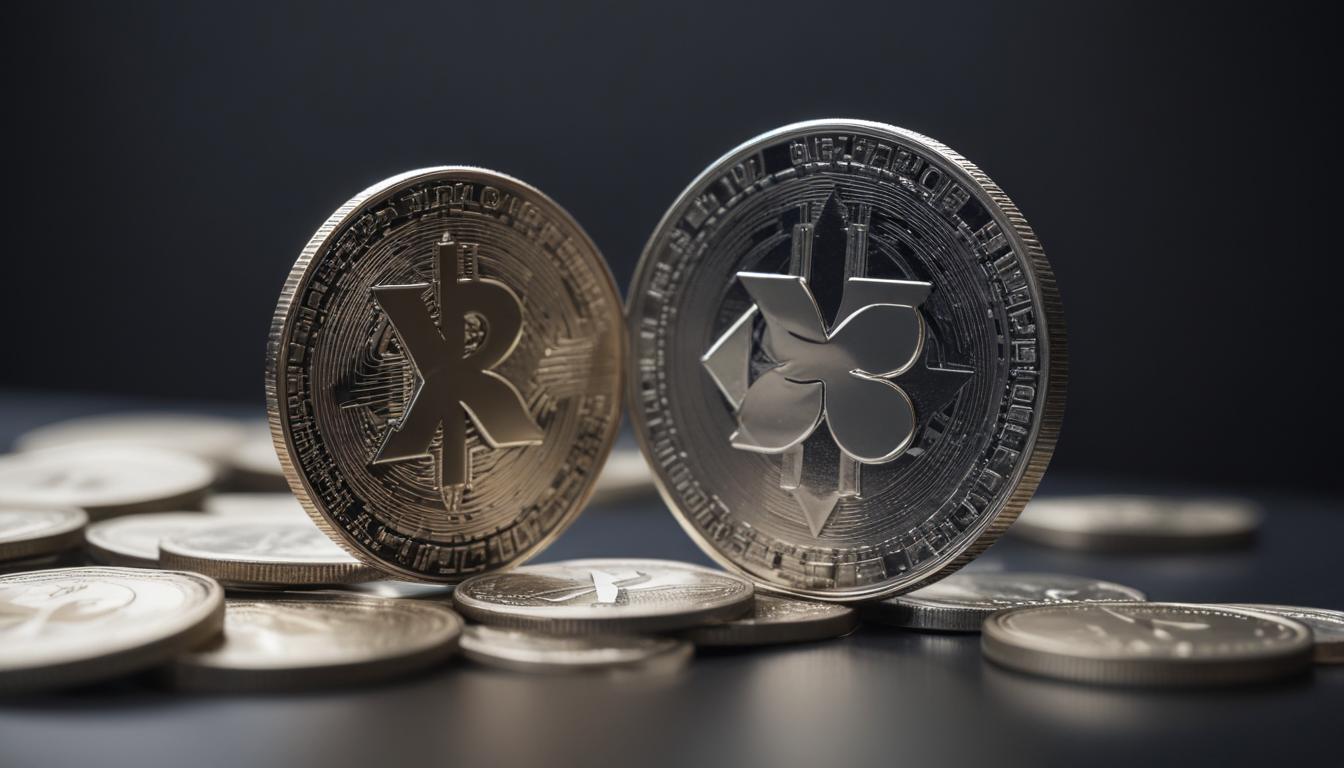
The Strategic Importance of Former Citigroup Executives in Ripple's Institutional Push
The whispers around former Citigroup executives joining the XRP ecosystem, particularly in developing XRP-backed securities, aren't just idle chatter. They represent a potentially seismic shift in the institutional landscape for XRP. This strategic move by Ripple signals a concerted effort to bridge the gap between traditional finance (TradFi) and the often-turbulent waters of the crypto world. Let's break down why this is such a big deal and what it could mean for XRP's future.
Leveraging Wall Street Expertise and Networks
Bringing in seasoned professionals from a financial powerhouse like Citigroup isn't just about adding names to a roster. It's about injecting decades of Wall Street know-how directly into the heart of XRP's institutional strategy. These executives possess a deep understanding of the intricacies of traditional finance, including regulatory compliance, risk management, and, crucially, the preferences of institutional investors. They speak the language of Wall Street, and that's vital for building trust and credibility.
Moreover, their extensive networks within the financial industry provide invaluable access to potential investors who might otherwise be hesitant to dip their toes into the crypto market. This targeted approach represents a significant departure from the broader, often retail-focused marketing strategies typically seen in the crypto space. It suggests a deliberate shift towards courting institutional capital, recognizing its potential to drive significant and sustained growth for XRP.
XRP-Backed Securities: A Bridge to Institutional Adoption
The development of XRP-backed securities is a cornerstone of this institutional push. These securities offer a familiar and regulated framework for institutional investors, mitigating some of the perceived risks and regulatory uncertainties associated with direct cryptocurrency investments. Many institutional investors operate under strict regulatory constraints and internal risk management protocols that often prohibit direct crypto holdings. XRP-backed securities provide a compliant and palatable entry point, allowing these institutions to gain exposure to the potential upside of XRP while adhering to their stringent investment guidelines. The structure of these securities is likely meticulously designed to minimize counterparty risk and address regulatory hurdles, making them a more attractive proposition for risk-averse institutional investors. This carefully crafted approach underscores Ripple's commitment to attracting institutional capital in a sustainable and compliant manner.
Ripple's Long-Term Vision: XRP as a Bridge Currency
This push for institutional adoption aligns perfectly with Ripple's long-term vision for XRP as a bridge currency for cross-border payments. Ripple has consistently championed XRP's speed, efficiency, and cost-effectiveness in facilitating global transactions. The involvement of former Citigroup executives adds significant weight to this narrative, lending credibility and reinforcing the potential for XRP to become a widely adopted solution within the global financial system. This strategic focus on real-world utility distinguishes XRP from many other cryptocurrencies, often perceived as primarily speculative assets. By emphasizing practical applications within established financial infrastructure, Ripple is positioning XRP as a solution to tangible problems within the global payments landscape. This focus on solving real-world problems is crucial for attracting long-term institutional interest and driving sustainable growth.
Navigating the Regulatory Landscape: The Ripple-SEC Case and Beyond
The ongoing legal battle between Ripple and the SEC remains a significant factor in XRP's journey towards institutional adoption. The outcome of this case will undoubtedly influence XRP's trajectory and its ability to attract broader institutional interest. While a favorable ruling could unlock significant investment, an unfavorable outcome could create headwinds. However, the proactive development of XRP-backed securities suggests that Ripple is actively working to address regulatory concerns and create innovative solutions that can thrive even within a complex and evolving regulatory environment. Their strategy appears to be focused on mitigating potential negative impacts and positioning XRP for long-term success regardless of the final verdict. This resilience and adaptability are crucial in the often-unpredictable world of cryptocurrency regulation.
The Convergence of Factors: A Potential Catalyst for Change
The confluence of these factors – the expertise of former Citigroup executives, the development of XRP-backed securities, and the strategic focus on real-world utility – creates a potent mix that could significantly accelerate XRP's institutional adoption. While the regulatory landscape remains a challenge, Ripple's proactive approach and adaptability suggest a commitment to navigating these complexities. This convergence of strategic initiatives, combined with the potential for a positive resolution of the SEC lawsuit, could create a powerful catalyst for XRP's widespread adoption and solidify its role in the future of global finance. The coming months and years will be crucial in determining the ultimate impact of these developments, but the current signs point towards a potentially transformative period for XRP and the broader cryptocurrency market. This isn't just about speculation; it's about building the foundation for a more efficient, accessible, and interconnected global financial system. This carefully calculated strategy, combined with the inherent potential of XRP technology, suggests that Ripple is playing the long game, positioning itself for sustained growth and influence in the evolving landscape of global finance.## Navigating XRP's Liquidity and Volatility: A Deep Dive into Institutional Investment
The entrance of institutional investors into the XRP market, facilitated by the emergence of XRP-backed securities, presents a fascinating dynamic with both tantalizing opportunities and inherent risks. With former Citigroup executives playing a key role in this strategic shift, understanding the potential impact on XRP's liquidity and price volatility is paramount for any savvy investor. Let's unpack the complexities and explore what this institutional influx could mean for the future of XRP.
The Liquidity Landscape: A Double-Edged Sword
The influx of institutional capital holds the promise of significantly enhancing XRP's market liquidity. While XRP currently boasts a substantial trading volume, it can experience periods of relative quiet, leading to price swings amplified by these lower volumes. Institutional participation, characterized by larger and more frequent trades, could act as a stabilizing force, smoothing out these fluctuations. This enhanced liquidity would translate into a more efficient market, enabling investors to buy and sell XRP with minimal price impact and reduced slippage – a highly attractive prospect for institutional players accustomed to operating with substantial capital.
However, this increased liquidity isn't without its potential downsides. While beneficial under normal market conditions, it could ironically exacerbate volatility during periods of stress. A large-scale sell-off by a major institutional holder could trigger a cascade effect, potentially leading to a dramatic price drop. The very liquidity that provides stability in calmer waters could magnify price movements during a market downturn. This inherent duality underscores the need for a cautious and measured approach to institutional involvement.
To illustrate this point, consider a hypothetical scenario. Imagine a large institution holding 1% of the total XRP supply. In a stable market, their trading activity might contribute to healthy liquidity. However, if they decide to liquidate their entire position during a period of market uncertainty, the sudden influx of sell orders could overwhelm buy-side demand, triggering a sharp price decline. This scenario highlights the potential for increased volatility despite higher overall liquidity.
Price Volatility: A Delicate Balancing Act
The impact on price volatility is intrinsically linked to the changes in market liquidity. While increased trading volume from institutions can contribute to short-term price stability, large-scale buying or selling activity can still generate significant fluctuations. The cryptocurrency market, even for established assets like Bitcoin, has a history of pronounced price swings driven by external events, regulatory changes, and shifts in investor sentiment.
The introduction of XRP-backed securities offers a mechanism for more controlled institutional entry and exit. Unlike direct XRP purchases, which might be subject to trading size limitations, these securities allow for more gradual and measured participation. This structured approach can help mitigate the risk of abrupt price movements caused by rapid trading. However, unforeseen market events or regulatory developments could still exert downward pressure on the price, irrespective of institutional involvement.
For instance, a sudden negative regulatory announcement concerning cryptocurrencies, even if not directly targeting XRP, could trigger a broader market sell-off impacting XRP's price. Similarly, a macroeconomic event like a global recession could lead to a flight to safety, pushing investors away from riskier assets like cryptocurrencies, including XRP.
Learning from the Past: Historical Parallels and Cautions
Examining historical instances of significant institutional capital flowing into cryptocurrencies provides valuable context. While each event is unique, the impact of Grayscale Bitcoin Trust's growth on Bitcoin offers a relevant analogy. The Trust's accumulation of Bitcoin over time significantly increased demand, contributing to price appreciation and arguably bolstering overall market stability. This example supports the notion that institutional investment can foster a more mature and less volatile market.
However, it's equally crucial to acknowledge cases where institutional involvement has led to unexpected consequences. Rapid increases in institutional participation followed by sudden withdrawals have, in some cases, triggered significant price corrections. Drawing parallels requires a nuanced understanding of the specific market conditions and regulatory landscape surrounding each event. The XRP market, with its ongoing legal battle with the SEC, presents a unique set of circumstances distinct from Bitcoin's trajectory. The Ripple-SEC lawsuit introduces uncertainties that must be carefully considered when assessing potential price volatility. The outcome of this lawsuit could significantly impact XRP's future, either paving the way for greater institutional adoption or creating substantial headwinds.
Opportunities and Risks for the Savvy Investor
The potential for increased liquidity brought about by institutional investment offers enticing opportunities for investors. Executing trades efficiently with minimal slippage and potentially experiencing a more stable price environment could make XRP a more attractive asset for both short-term traders and long-term holders.
However, the possibility of large-scale institutional sell-offs and the inherent volatility of the cryptocurrency market necessitate a cautious approach. Diversification, thorough due diligence, and careful risk management are paramount. Investors should assess their risk tolerance and understand the potential for both significant gains and losses in this dynamic market. Blindly following the trend of institutional investment without understanding the underlying fundamentals and potential risks could lead to substantial financial losses.
Charting a Course Forward: A Balanced Perspective
The involvement of former Citigroup executives and the creation of XRP-backed securities represent a significant step towards greater institutional adoption of XRP. While the potential benefits of increased liquidity and price stabilization are substantial, the inherent risks associated with institutional trading and the ongoing regulatory uncertainty surrounding the Ripple-SEC lawsuit cannot be ignored. The interplay of these factors, combined with broader cryptocurrency market trends, will ultimately determine XRP's future trajectory. Investors should approach this evolving landscape with a balanced perspective, carefully weighing the potential rewards against the inherent risks. Staying informed, conducting thorough research, and seeking professional financial advice are crucial for navigating the complexities of the XRP market and making informed investment decisions.## Ripple's Strategy for Mass Adoption: Partnerships, Technology, and Regulation
Ripple, the company behind XRP, has a clear goal: to make XRP the go-to digital asset for global payments. Their strategy isn't about replacing the existing financial system, it's about enhancing it. This approach hinges on three pillars: forging strategic partnerships, relentlessly innovating technologically, and deftly navigating the complex world of financial regulation. Let's dive deeper into each of these crucial components and how they intertwine to shape XRP's future.
Building Bridges: Strategic Partnerships and the Ripple Ecosystem
Ripple understands that disrupting an established system like global finance requires collaboration, not confrontation. That's why building strategic alliances with established financial institutions and technology providers is paramount. These partnerships serve multiple crucial functions. First, they expand the XRP ecosystem, creating more on-ramps and use cases for the digital asset. Second, they demonstrate real-world utility, moving beyond theoretical potential to tangible applications. And third, they lend credibility to XRP within the often-skeptical world of traditional finance.
While much speculation surrounds a potential partnership with SWIFT, the global financial messaging giant, even indirect collaborations through third-party integrators could be game-changing. Integrating XRP into existing financial infrastructure, rather than trying to build a completely new system, is a key differentiator for Ripple. This pragmatic approach resonates with risk-averse institutional investors, demonstrating a commitment to working within established frameworks. Think of it as building bridges, not burning them.
For example, Ripple's partnerships with banks like Santander and American Express demonstrate how XRP can be integrated into existing cross-border payment flows. These collaborations showcase the potential for faster, cheaper, and more transparent transactions, addressing pain points within the current system. By working with, rather than against, established players, Ripple is strategically positioning XRP for mainstream adoption.
Beyond the Hype: Technological Innovation and the XRP Ledger
Partnerships alone aren't enough. Ripple backs its collaborative strategy with a commitment to continuous technological innovation. The XRP Ledger, the blockchain that powers XRP, is designed for speed, scalability, and security – essential features for meeting the demands of institutional-grade financial transactions. This isn't about chasing fleeting trends or riding waves of hype; it's about building a robust and reliable platform for the future of finance.
Ripple's focus on practical improvements, such as optimizing transaction throughput and enhancing security protocols, demonstrates a commitment to addressing real-world challenges. The ability to handle high transaction volumes with minimal latency and cost is crucial for institutional adoption. Compare this to the limitations faced by some other cryptocurrencies, where network congestion and high transaction fees can hinder widespread use.
Consider the implications for cross-border payments. Currently, international transfers can take days to clear and involve hefty fees. XRP offers the potential to settle these transactions in seconds at a fraction of the cost. This efficiency, coupled with the transparency provided by blockchain technology, positions XRP as a powerful solution for businesses and individuals operating in a globalized world.
Navigating the Regulatory Labyrinth: The SEC Lawsuit and Global Compliance
Perhaps the biggest challenge facing Ripple and XRP is the ongoing legal battle with the US Securities and Exchange Commission (SEC). The outcome of this lawsuit will undoubtedly have profound implications for XRP's future. A favorable ruling could unleash a wave of institutional investment and accelerate mainstream adoption. Conversely, an unfavorable outcome could significantly hinder XRP's progress and create long-term uncertainty.
However, Ripple's proactive approach to regulatory compliance, demonstrated by the development of XRP-backed securities, highlights a commitment to working within established legal frameworks. These securities offer a familiar structure for institutional investors, mitigating some of the perceived risks associated with direct cryptocurrency investments.
Beyond the SEC lawsuit, navigating the evolving global regulatory landscape is crucial for Ripple's long-term success. Different jurisdictions have varying approaches to cryptocurrency regulation, creating a complex web of compliance requirements. Ripple's ability to adapt to these diverse frameworks and engage constructively with regulators worldwide will be a key determinant of its ability to achieve widespread adoption.
This proactive engagement with regulators demonstrates a long-term vision. Ripple understands that mass adoption requires not just technological innovation but also regulatory certainty. By working with regulators, rather than against them, Ripple is building a foundation for sustainable growth within a compliant framework. This strategic approach is crucial for attracting institutional investors who prioritize regulatory compliance and risk mitigation.
The Path to Mass Adoption: A Holistic Approach
Ripple's strategy for mass XRP adoption isn't a single silver bullet, but a carefully orchestrated combination of strategic partnerships, technological innovation, and regulatory compliance. While the SEC lawsuit remains a significant variable, the company's proactive approach and focus on real-world utility position XRP as a strong contender in the rapidly evolving landscape of global finance. The involvement of seasoned financial professionals, the development of innovative financial products like XRP-backed securities, and the continuous refinement of the XRP Ledger all contribute to a cohesive and compelling narrative for institutional adoption. While challenges remain, Ripple's multi-pronged approach demonstrates a clear vision for the future of XRP as a key player in the global financial system. The coming years will be crucial in determining whether this vision translates into widespread adoption, but the groundwork has been laid for a potentially transformative shift in the world of cross-border payments.## XRP in 2025: A Crystal Ball Gaze into Institutional Adoption and Regulatory Uncertainty
The cryptocurrency landscape is a dynamic ecosystem, constantly shifting under the influence of technological advancements, regulatory changes, and evolving investor sentiment. XRP, with its unique position in the cross-border payments space, finds itself at the heart of this dynamism. The whispers of former Citigroup executives' involvement in XRP-backed securities are not mere rumors; they represent a significant turning point, injecting a shot of institutional interest into the XRP narrative. This analysis delves into potential scenarios for XRP by 2025, considering the intricate interplay of institutional adoption, technological innovation, regulatory hurdles (particularly the lingering shadow of the Ripple-SEC lawsuit), and the ever-present potential for unforeseen ‘black swan’ events.
This isn't about fortune-telling; it's about informed speculation based on current trends, expert analysis, and a deep understanding of the factors that shape the cryptocurrency market. Remember, the future is never certain, but by carefully considering various possibilities, we can better navigate the complexities and potential risks associated with XRP.
Scenario 1: Regulatory Clarity Unleashes Institutional Floodgates (Probability: 40%)
Let's paint a picture of an optimistic future. Imagine a scenario where the Ripple-SEC lawsuit concludes favorably for Ripple. This decisive legal victory wouldn't just be a win for Ripple; it would be a watershed moment for the entire crypto industry, providing much-needed regulatory clarity for XRP. This clarity acts as a powerful catalyst, unlocking a wave of pent-up institutional demand. The involvement of former Citigroup executives, operating within a clearly defined legal framework, becomes a beacon, attracting significant investment in XRP-backed securities. This influx of capital translates into a surge in liquidity, stabilizing XRP's price and making it even more appealing to institutional investors.
Ripple's strategic partnerships, now unburdened by regulatory uncertainty, flourish, expanding the XRP ecosystem and strengthening its role in facilitating cross-border payments. Technological advancements on the XRP Ledger further enhance its efficiency and scalability, solidifying its position as a leader in the payments industry. By 2025, in this optimistic scenario, XRP isn't just a cryptocurrency; it's a prominent player in the global financial system, streamlining cross-border transactions and posing a significant challenge to traditional payment methods. This scenario represents a transformative shift, cementing XRP's place in the future of finance.
Scenario 2: Regulatory Gray Area Creates Cautious Optimism (Probability: 35%)
Now, let's consider a more nuanced outcome. The Ripple-SEC lawsuit concludes, but not with a clear-cut victory. Perhaps a settlement is reached, leaving some aspects of XRP's regulatory status ambiguous. This regulatory gray area dampens some institutional enthusiasm, creating a more cautious approach to investment. However, the expertise and network of former Citigroup executives still proves valuable. XRP-backed securities, meticulously designed to navigate this regulatory ambiguity, become a vital tool for institutional participation.
Ripple continues to forge strategic partnerships, but the pace is slower, more deliberate. Technological advancements persist, but with a greater focus on regulatory compliance and adaptability. By 2025, in this scenario, XRP finds a niche within the financial system, serving institutions willing to navigate the remaining complexities. Growth is steady but measured, constrained by the lingering uncertainty. This scenario represents a slower but still significant integration of XRP into the financial landscape.
Scenario 3: Adverse Regulatory Outcome Stifles Growth (Probability: 20%)
Let's address the less favorable scenario. The Ripple-SEC lawsuit results in an unfavorable ruling for Ripple, potentially classifying XRP as a security. This outcome significantly impacts institutional adoption. The involvement of former Citigroup executives, while still possessing value, struggles to overcome the resulting regulatory headwinds. Investment in XRP-backed securities is limited, hindering Ripple's strategic partnerships. The regulatory burden stifles technological development, restricting XRP's utility within the financial system.
By 2025, in this less optimistic outlook, XRP's growth is significantly hampered. It's primarily relegated to a smaller, more speculative market. While Ripple might explore alternative strategies, the adverse ruling casts a long shadow on XRP's future. This scenario highlights the significant impact of regulatory decisions on the cryptocurrency market.
Scenario 4: The Black Swan Event: Unforeseen Disruption Reshapes the Landscape (Probability: 5%)
Finally, we account for the unexpected—the 'black swan' event. This scenario acknowledges the inherent unpredictability of the cryptocurrency market. A major technological breakthrough, a global financial crisis, or a sudden shift in global regulatory attitudes towards cryptocurrencies could drastically alter the landscape. A global adoption of Central Bank Digital Currencies (CBDCs), for instance, could either complement or directly compete with XRP's role in cross-border payments. The involvement of former Citigroup executives, in this context, could prove crucial in adapting to the rapidly evolving environment.
By 2025, in this scenario, the cryptocurrency market could look vastly different. XRP's success hinges on Ripple's ability to navigate this unforeseen turbulence. This emphasizes the importance of adaptability and strategic foresight in the volatile world of cryptocurrencies.
The Intertwined Threads: Institutional Confidence, Technological Advancement, and Regulatory Clarity
The future of XRP in 2025 is intricately woven from the threads of institutional confidence, technological advancement, and regulatory clarity. The participation of former Citigroup executives serves as a powerful indicator of institutional interest, signaling a potential inflection point for XRP. While the Ripple-SEC lawsuit casts a long shadow of uncertainty, Ripple's strategic focus on partnerships and technological innovation positions the company to capitalize on the growing demand for efficient cross-border payment solutions. The 'ripple effect' of institutional adoption will ultimately determine whether XRP fulfills its potential as a bridge currency in the global financial system. The coming years will be crucial in determining which scenario unfolds, shaping XRP's future and its place within the broader financial ecosystem. The analysis presented here, while speculative in nature, offers a framework for understanding the complex forces shaping XRP's destiny.
Remember, this analysis reflects my professional opinion based on publicly available information and does not constitute financial advice. Always conduct your own thorough research and consider consulting with a qualified financial advisor before making any investment decisions. The cryptocurrency market is inherently volatile, and risk management is paramount.## XRP's Institutional Future: Citigroup Execs and Ripple's Strategy
The influx of former Citigroup executives into Ripple's XRP ecosystem signals a major shift towards institutional adoption. This article explores the strategic implications and potential outcomes for XRP.
Key Takeaways:
- Institutional Push: Ripple's recruitment of Citigroup veterans accelerates XRP's institutional adoption, leveraging Wall Street expertise and networks.
- XRP-Backed Securities: These securities offer a regulated pathway for institutional investors, addressing compliance and risk concerns.
- Strategic Partnerships: Collaborations with established financial institutions enhance XRP's utility and credibility within traditional finance.
- Regulatory Uncertainty: The Ripple-SEC lawsuit's outcome significantly influences XRP's trajectory, impacting investor confidence and adoption rates.
- Long-Term Vision: Ripple's focus on cross-border payments and technological innovation positions XRP for sustained growth, even amidst regulatory challenges.
#XRP-backed Securities #XRP #Fintech #Blockchain #Regulatory Compliance #Institutional Adoption #Cross-border Payments #Cryptocurrency