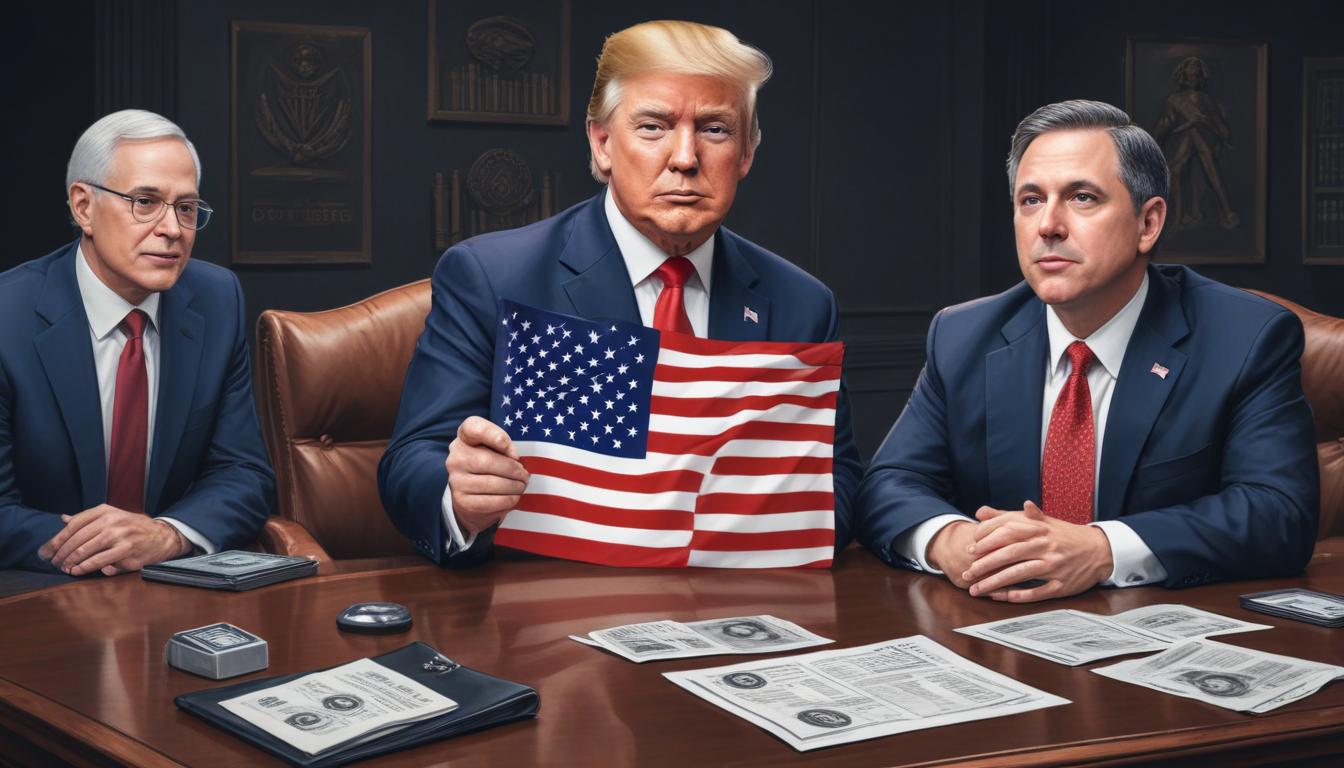
The Repeal Effort of the 'DeFi Broker Rule': A Turning Point for Decentralized Exchanges?
The ongoing debate surrounding the proposed "DeFi Broker Rule" represents a pivotal moment for the future of decentralized exchanges (DEXs) and the broader decentralized finance (DeFi) ecosystem in the United States. This proposed rule, originally slated for implementation, aimed to extend existing IRS reporting requirements to entities facilitating digital asset transactions within the DeFi space. This seemingly straightforward mandate, however, has ignited a firestorm of controversy, highlighting the inherent tension between traditional financial regulation and the innovative, decentralized nature of blockchain technology.
The core issue revolves around the definition of a "broker" within the context of decentralized protocols. Traditional brokerage models involve a central intermediary handling transactions and possessing the readily available client data needed for tax reporting. DeFi, however, operates largely through autonomous smart contracts, often lacking a central authority to collect and report the necessary user information. This fundamental difference has led to fierce debate among policymakers, legal experts, and industry stakeholders regarding the feasibility, practicality, and even constitutionality of applying such regulations to DEXs.
Understanding the Core Contentions:
The arguments for and against the "DeFi Broker Rule" are deeply rooted in fundamental disagreements about the nature of DeFi and the appropriate approach to its regulation. Let's break down the key points:
Arguments for Repeal:
-
Unworkability: A primary argument against the rule centers on its inherent unworkability for DEXs. The decentralized nature of these platforms makes it virtually impossible to comply with the data-reporting requirements. The lack of a central authority capable of tracking and reporting user transactions renders the mandate practically unenforceable for most DeFi projects.
-
Stifling Innovation: Proponents of repeal argue the rule's implementation would create a significant chilling effect on DeFi innovation within the United States. The onerous compliance costs and regulatory uncertainty could discourage developers and users from participating in the US DeFi ecosystem, potentially driving talent and investment overseas.
-
Privacy Concerns: The rule's implementation raises serious concerns about user privacy. Mandating the collection and reporting of transaction data could fundamentally undermine the pseudonymous nature of many DEXs, exposing user identities and potentially compromising financial privacy. This directly contradicts the ethos of decentralized finance, which emphasizes user autonomy and control.
-
Constitutional Challenges: Some legal experts argue the rule may face legal challenges based on constitutional grounds, raising questions about potential violations of due process and the Fourth Amendment's protection against unreasonable searches and seizures.
Arguments Against Repeal:
-
Tax Compliance: Supporters of the rule maintain that it is crucial for ensuring tax compliance within the burgeoning cryptocurrency market. They argue that without clear reporting mechanisms, tax evasion could become rampant, depriving the government of revenue and creating an unfair advantage for those who operate outside established reporting requirements.
-
Regulatory Clarity: Proponents argue that the rule, while imperfect, provides a semblance of regulatory clarity in a rapidly evolving space. They contend that clear rules, even if imperfect, are preferable to the complete absence of a regulatory framework, which could lead to further uncertainty and market instability.
-
Preventing Illicit Activities: A key argument centers on preventing illicit activities such as money laundering and terrorist financing. Proponents argue that the data collected through the rule could help authorities identify and track suspicious activity, aiding in the fight against financial crime.
The House Ways and Means Committee Vote: A Significant Milestone
The vote by the House Ways and Means Committee to advance a resolution to overturn the "DeFi Broker Rule" marked a significant turning point in the debate. This bipartisan vote signifies a growing awareness among lawmakers of the potential negative consequences of the rule for the US DeFi industry and its potential to stifle innovation. This demonstrates a growing understanding that blanket regulations designed for traditional finance may not be appropriate for the decentralized nature of DeFi. The resolution's passage signifies a potential shift towards more nuanced and tailored regulatory approaches.
The Path Forward: Senate Action and Presidential Decision
The resolution now faces further consideration in the full House of Representatives and the Senate. A successful passage through both chambers would send the resolution to the President for approval or veto. The President’s decision, and the Senate's vote, remain highly uncertain, given the evolving political landscape and the complexities of the issue. However, the House vote has demonstrated a considerable momentum for repeal, suggesting a potential for significant regulatory change.
Impact on Decentralized Exchanges (DEXs): A Fork in the Road
The outcome of this legislative battle will have profound and far-reaching implications for DEXs and the broader DeFi ecosystem. Repeal would likely unleash a wave of innovation and activity, removing regulatory uncertainty and encouraging further investment and adoption. Conversely, the rule's survival could severely hinder the growth of the US DeFi sector, leading to increased compliance costs, decreased privacy, and potentially driving activity overseas.
Beyond the Rule: The Larger Context of US Crypto Regulation
The "DeFi Broker Rule" debate is part of a larger, ongoing conversation about the future of US crypto regulation. The evolving regulatory landscape is shaped by various factors including legislative action, court decisions, and the shifting priorities of regulatory agencies. This includes the increasing number of pro-crypto voices in government and challenges to the existing securities-centric approach. The resolution of this debate will undeniably have a significant impact on not only DeFi but also the future trajectory of the US cryptocurrency industry as a whole.
Conclusion: Navigating the Uncertain Future
The future of DEXs and DeFi in the US remains uncertain, contingent upon the ultimate fate of the "DeFi Broker Rule." While the House vote suggests a growing recognition of the challenges presented by applying traditional regulatory frameworks to decentralized technologies, the path ahead remains complex and uncertain. The industry will continue to advocate for regulatory clarity, balance, and a framework that fosters innovation without compromising investor protection or tax compliance. The outcome will significantly shape the competitive landscape and determine whether the US maintains its position as a global leader in the rapidly evolving world of decentralized finance. This is not just a battle over a single rule; it is a defining moment for the future of financial innovation in the United States.## SEC's Regulatory Approach Under Scrutiny: Expert Concerns and Potential Shifts
The Securities and Exchange Commission's (SEC) increasingly assertive role in regulating cryptocurrencies has ignited a firestorm of debate, drawing criticism from within the industry, the legal community, and even from some policymakers who believe the agency's methods are stifling innovation. Let’s dive into the core concerns surrounding the SEC's approach, exploring the objections raised by legal experts, the possible shifts that could arise from changes in leadership, the high-stakes legal battles playing out with major crypto exchanges, and the ever-evolving, often contentious, interpretation of the Howey Test as it applies to the digital asset space.
The Howey Test Under Fire: Is It the Right Tool for the Crypto Job?
At the heart of the SEC's regulatory framework for cryptocurrencies lies the Howey Test. This legal benchmark, established decades ago for traditional securities, is used to determine whether an asset qualifies as a security and thus falls under the SEC's jurisdiction. The Howey Test boils down to four key criteria: an investment of money, in a common enterprise, with the expectation of profit, derived primarily from the efforts of others. Sounds simple enough, right?
Well, not quite. Applying this test to the decentralized and often nebulous world of crypto assets has proven to be a monumental challenge, sparking intense debate and legal challenges.
Critics argue that the SEC's interpretation of the Howey Test is excessively broad, casting too wide a net and creating a climate of uncertainty that can stifle innovation. For example, many decentralized finance (DeFi) protocols operate without a central authority or promoter, making the "efforts of others" criterion particularly difficult to apply. Consider a decentralized exchange (DEX) – users provide liquidity, enabling trades, but are their returns solely dependent on the efforts of a specific individual or entity? The answer is often a resounding no.
Furthermore, the very definition of "investment of money" becomes murky in the context of staking rewards or participation in decentralized autonomous organizations (DAOs). Users might contribute assets to a DAO to participate in governance, not necessarily expecting a traditional financial return. Are these contributions investments in the Howey sense? The lack of clear, definitive guidance leaves developers and investors in a legal gray area, potentially discouraging innovation and investment within the US crypto ecosystem and pushing talent and capital overseas.
The application of the Howey Test to staking programs has been a particularly contentious point. The SEC has taken the position that certain staking programs constitute unregistered securities offerings, leading to enforcement actions and raising serious questions about the future of staking as a core blockchain functionality. Imagine you're a small developer building a proof-of-stake blockchain. The SEC's current stance could force you to register your staking mechanism as a security, a costly and time-consuming process that might be prohibitive, effectively preventing you from launching your project in the US.
The ambiguity surrounding the Howey Test and its application to staking creates a precarious situation for both developers and investors, who need clear rules to operate with confidence. Without a clearly defined line between legitimate staking programs and unregistered securities offerings, the entire industry is left guessing, hindering growth and potentially driving innovation to more crypto-friendly jurisdictions.
Expert Voices: A Chorus of Concerns and the Demand for Clarity
Legal experts across the board have expressed profound concerns about the SEC's regulatory approach, highlighting several critical issues that demand attention. A primary concern revolves around the SEC's perceived overreach, with many arguing that the agency's actions exceed its statutory authority and impose an unduly burdensome regulatory environment on crypto projects. These projects, they contend, might not necessarily meet the definition of securities under a more nuanced and considered interpretation of existing laws. In essence, the SEC is accused of trying to fit a square peg (crypto) into a round hole (traditional securities law).
Moreover, concerns have been raised regarding the transparency and procedural fairness of the SEC's enforcement actions. Some legal scholars argue that the rapid escalation of enforcement actions against major crypto exchanges, without providing sufficient procedural clarity or a period for compliance, fuels suspicions of bias and a punitive approach, rather than a collaborative effort to establish a robust and sensible regulatory framework. Imagine building a business, only to have the regulatory rug pulled out from under you with little warning or opportunity to adapt. This is the fear that many in the crypto industry face.
The lack of a comprehensive legislative framework specifically tailored to address crypto assets further exacerbates the problem. The reliance on the Howey Test, a relic from a vastly different financial era, creates a legal vacuum that the SEC is attempting to fill through enforcement actions. This piecemeal approach, according to legal experts, is detrimental to the long-term health and sustainable growth of the U.S. cryptocurrency sector. What's needed, they argue, is a clear, predictable, and proportionate regulatory system established through legislative action, not regulatory fiat.
Consider the implications for institutional investors. Large investment firms are hesitant to allocate significant capital to crypto assets due to the regulatory uncertainty. A clear legislative framework would provide the certainty they need, unlocking a potential influx of capital and further legitimizing the crypto market. Without it, the U.S. risks falling behind other countries that have embraced a more proactive and forward-thinking approach to crypto regulation.
Leadership Shifts and Legal Showdowns: A Fork in the Regulatory Road
The departure of former SEC Chair Gary Gensler, or the appointment of a successor with a different perspective, could bring about significant changes in the SEC's approach to crypto regulation. While the precise direction of these changes remains uncertain (and the SEC's broader mandate to protect investors will undoubtedly remain), a shift in leadership presents a crucial opportunity to re-evaluate the agency's strategies and priorities regarding cryptocurrencies. A new chair might, for instance, prioritize a more nuanced and collaborative approach, recognizing the unique characteristics of blockchain technology and fostering a regulatory environment that strikes a better balance between innovation and investor protection.
Think of it as recalibrating a complex machine. The SEC's role is to ensure the machine operates safely and efficiently, but an overly aggressive or poorly calibrated approach can damage the machine itself (i.e., stifle innovation). A new chair could bring a fresh perspective, focusing on fine-tuning the regulatory mechanisms to achieve the desired outcomes without causing undue harm to the industry.
Simultaneously, the ongoing legal battles involving major cryptocurrency exchanges are actively shaping the regulatory landscape in real time. These high-profile cases will have far-reaching implications for the entire industry, setting precedents that could significantly impact future regulatory actions and ultimately determine the legal standing of cryptocurrencies in the United States. The outcomes of these legal showdowns will clarify the boundaries of permissible activity and provide much-needed guidance for businesses operating in the crypto space.
Consider the case of Ripple Labs, for example. The SEC's lawsuit against Ripple, alleging that XRP is an unregistered security, has been closely watched by the entire industry. The outcome of this case will have significant implications for other crypto assets, potentially determining whether they are classified as securities and subject to SEC regulation.
The high-profile nature of these legal battles only adds to the prevailing uncertainty and underscores the urgent need for clearer regulatory guidance. Businesses are forced to operate in a state of limbo, unsure of what the future holds and hesitant to invest in new ventures. Clear and consistent regulations are essential for fostering a stable and predictable environment that encourages innovation and growth.
Charting a New Course: Towards a More Refined Regulatory Strategy
The SEC's current regulatory approach to cryptocurrency has undeniably generated considerable controversy. The overly broad application of the Howey Test, coupled with aggressive enforcement actions, has sparked legitimate concerns about potential regulatory overreach and its chilling effect on innovation within the U.S. crypto industry. The ongoing legal battles and the potential for a shift in leadership at the SEC offer a critical opportunity to reassess the agency's regulatory approach and adopt a more nuanced strategy that effectively balances investor protection with the imperative to promote technological innovation.
The path forward requires a more collaborative and consultative process, actively involving industry stakeholders, legal experts, and policymakers in the development of regulatory frameworks. A carefully calibrated approach, one that takes into account the unique features of crypto assets and the decentralized nature of blockchain technology, is essential to foster a thriving and responsible cryptocurrency ecosystem in the United States. This means moving beyond simplistic applications of outdated legal tests and embracing a more sophisticated understanding of the technology and its potential.
For example, instead of treating all crypto assets as securities by default, regulators could explore a tiered approach, classifying assets based on their specific characteristics and functionalities. This would allow for more tailored regulations that address the unique risks and opportunities associated with different types of crypto assets.
The development of a more tailored regulatory framework, possibly involving a legislative approach focused on specific categories of digital assets (e.g., stablecoins, utility tokens, security tokens), may provide the necessary clarity and predictability to boost investor confidence and encourage innovation in the industry. Ultimately, the future of crypto regulation in the U.S. hinges on a well-considered and balanced approach that recognizes both the potential risks and the transformative opportunities within this rapidly evolving sector. A proactive and forward-thinking regulatory framework can position the U.S. as a global leader in the digital asset space, attracting investment, fostering innovation, and creating jobs. Conversely, a heavy-handed and inflexible approach risks driving innovation and capital overseas, leaving the U.S. behind in the digital revolution.## The Rise of Pro-Crypto Sentiment in US Politics: Implications for Regulatory Change
The cryptocurrency landscape in the US is undergoing a seismic shift, fueled by a burgeoning pro-crypto sentiment within the halls of power. No longer a niche topic relegated to fringe discussions, the potential of digital assets and blockchain technology is increasingly recognized by US policymakers, leading to a potential paradigm shift in crypto regulation. This evolving political climate promises a more favorable environment for innovation, investment, and the overall growth of the industry. Let's delve into the key factors driving this transformation and explore its profound implications.
A Growing Chorus of Pro-Crypto Voices in Congress
The once-muted voices advocating for cryptocurrency within the US government have blossomed into a powerful chorus. This surge in pro-crypto sentiment isn't merely anecdotal; it's demonstrable in the increased number of lawmakers actively championing digital assets and blockchain technology. This evolution stems from a confluence of factors:
-
Enhanced Technological Understanding: Lawmakers are increasingly sophisticated in their understanding of blockchain technology, recognizing its potential beyond the realm of speculative investments. This knowledge fosters a more informed and nuanced approach to policymaking.
-
Recognizing Economic Benefits: The potential economic benefits of a robust and regulated crypto industry are becoming undeniable. The prospect of job creation, attraction of foreign investment, and the potential for tax revenue are compelling arguments for a more supportive regulatory framework.
-
Maintaining Global Competitiveness: The US faces a critical challenge in maintaining its competitive edge in the global digital economy. Failing to embrace and regulate cryptocurrencies effectively risks ceding leadership to other nations that are actively fostering innovation in this space. The understanding that lagging in crypto regulation could have severe economic consequences is a powerful motivator for change.
-
Beyond Finance: Blockchain's Broader Applications: Policymakers are beginning to understand that blockchain's applications extend far beyond finance. Its potential to revolutionize supply chain management, healthcare, voting systems, and countless other sectors is driving interest and creating a wider base of support for pro-crypto legislation.
This shift in perspective is creating a fertile ground for legislative initiatives designed to promote innovation, clarity, and responsible growth within the crypto industry. The increased number of well-informed and supportive lawmakers represents a critical mass that is actively reshaping the regulatory conversation.
Influencing Regulatory Proposals: A Shift Towards Pragmatism
The rising tide of pro-crypto sentiment is demonstrably impacting the formulation of crypto-related regulatory proposals. A notable shift is occurring, moving away from the previously favored approach of blanket restrictions and towards a more pragmatic, risk-based approach. This evolution is characterized by:
-
Tailored Regulations: Instead of attempting to apply a one-size-fits-all regulatory model derived from traditional financial frameworks, there's a growing understanding that different types of crypto assets and activities require tailored approaches. This recognizes the inherent diversity within the crypto landscape and the need for nuanced, context-specific regulations.
-
Clearer Definitions: The push for clear definitions of what constitutes a security token versus a utility token or a commodity is gaining significant momentum. Establishing distinct boundaries aims to provide much-needed regulatory certainty for businesses and investors, ultimately fostering a more stable and predictable environment conducive to growth and innovation.
-
Regulatory Sandboxes: The concept of regulatory sandboxes—controlled environments where crypto companies can test new products and services without immediate regulatory repercussions—is gaining traction. This experimental approach enables regulators to gain a deeper understanding of the technology and its associated risks, while simultaneously encouraging innovation and experimentation.
This move towards pragmatism signals a recognition that overly restrictive regulations can stifle innovation and drive activity offshore. The focus is shifting towards a balanced approach that addresses legitimate concerns regarding consumer protection and market integrity without stifling the potential of this transformative technology.
Curbing Regulatory Overreach: Challenging Enforcement Actions
The increasing influence of pro-crypto voices is leading to increased scrutiny of regulatory overreach, particularly by the Securities and Exchange Commission (SEC). As highlighted in the accompanying article section on the SEC's regulatory approach, legal experts and lawmakers are increasingly challenging the SEC's aggressive enforcement actions, arguing that the agency has overstepped its authority by inappropriately applying existing securities laws to the crypto industry.
This pushback reflects a growing awareness that the SEC's interpretation of the Howey Test, and its application to various crypto assets and activities, is excessively broad and lacks clarity. The controversy surrounding the "DeFi broker rule" (detailed in a separate section) serves as a prime example of this pushback, with lawmakers expressing concerns that the rule is unworkable and could drive crypto activity away from the US.
This growing scrutiny is forcing regulators to reconsider their strategies and adopt a more balanced approach. The demand for greater transparency and accountability from regulatory agencies is rising, paving the way for legislative solutions that provide clearer guidance and protect the interests of both investors and innovators.
Bipartisan Support: A Foundation for Long-Term Stability
One of the most encouraging aspects of the pro-crypto movement in US politics is the potential for bipartisan support. Historically, cryptocurrency regulation has been viewed through a partisan lens, but a growing consensus is emerging across the political spectrum that a robust regulatory framework is essential for fostering innovation, protecting consumers, and maintaining US competitiveness in the global digital economy. This bipartisan support is laying the foundation for long-term stability and predictability in the crypto regulatory landscape.
This cross-party agreement stems from several shared goals:
-
Maintaining Technological Leadership: There's a widespread understanding that the US must remain a global leader in technological innovation, and a supportive regulatory environment for crypto is crucial to achieving this objective.
-
Harnessing Economic Benefits: The potential for job creation, investment inflows, and increased tax revenue from a thriving crypto industry is increasingly recognized.
-
Protecting Consumers and Preventing Illicit Activities: A clear and consistent regulatory framework is deemed necessary to protect consumers from fraud and manipulation, and to prevent the misuse of cryptocurrencies for illicit activities.
This convergence of interests across the political divide is a crucial factor in shaping a sustainable and beneficial regulatory environment for the crypto industry.
The Long-Term Implications: A Thriving US Crypto Industry
The long-term implications of this evolving pro-crypto sentiment are potentially transformative. A more favorable regulatory environment would unlock substantial opportunities for growth and innovation:
-
Increased Investment: Clear and consistent regulations would significantly reduce the uncertainty surrounding crypto investments, encouraging domestic and international investment.
-
Job Creation: A thriving US crypto industry would create numerous high-paying jobs across a wide range of sectors, from software development and engineering to legal and compliance.
-
Technological Advancement: A supportive regulatory environment would encourage innovation and the development of cutting-edge crypto technologies, positioning the US as a global leader in the digital asset space.
-
Economic Growth: The combined effect of increased investment, job creation, and technological advancement would contribute significantly to the US economy.
This positive outlook hinges on the creation of a regulatory framework that balances innovation with investor protection and consumer safety. The ongoing debate and evolving political climate indicate a promising future for the cryptocurrency industry in the United States, potentially solidifying its position as a global hub for digital asset innovation.
Conclusion: Navigating the Evolving Landscape
The rise of pro-crypto sentiment in US politics is a significant development with far-reaching consequences for the cryptocurrency industry. This shift is influencing regulatory proposals, challenging enforcement actions, and fostering bipartisan cooperation, leading to a more balanced and nuanced approach to crypto regulation. While challenges remain, the momentum is clearly shifting towards a more favorable environment for innovation and growth. Staying informed, engaging with policymakers, and prioritizing responsible innovation and compliance remain crucial for businesses and investors navigating this dynamic and transformative landscape. The future looks bright for the crypto industry in the US, but successful navigation requires ongoing diligence and proactive engagement.## IRS Reporting Requirements for Digital Assets: Navigating the Complexities and Industry Responses
The Internal Revenue Service (IRS) has significantly increased its focus on the taxation of digital assets, introducing reporting requirements that present substantial challenges for individuals and businesses operating within the cryptocurrency ecosystem. While these mandates aim to ensure tax compliance, they've sparked considerable debate regarding their practicality, their influence on innovation, and their potential for unintended consequences. Understanding these complexities and the industry's multifaceted responses is crucial for navigating the ever-shifting landscape of US crypto regulation.
The Labyrinthine Nature of Crypto Transaction Reporting
The IRS's reporting requirements for digital assets introduce a multifaceted challenge rooted in the inherent intricacies of the cryptocurrency market itself. Unlike traditional financial instruments, cryptocurrency transactions unfold on decentralized networks, frequently involving multiple exchanges, diverse wallets, and the increasingly prevalent decentralized finance (DeFi) protocols. Tracking these transactions across numerous platforms presents a formidable hurdle for taxpayers, demanding meticulous record-keeping and often necessitating specialized software. The absence of standardized reporting protocols among different exchanges further complicates the process, creating a significant administrative burden.
For businesses operating within the crypto space, the challenges are exponentially amplified. Exchanges, custodians, and other service providers grapple with the need to collect, process, and report enormous volumes of user data, impacting operational efficiency and incurring substantial compliance costs. The regulatory uncertainty surrounding specific crypto activities, such as staking and DeFi lending, adds another layer of complexity. The rapidly evolving nature of blockchain technology, coupled with the constant emergence of new protocols and platforms, demands continuous adjustments to reporting procedures, requiring a steep learning curve for tax professionals and businesses alike. This dynamic environment necessitates a proactive and adaptive approach to compliance.
Consider a seasoned investor managing a diversified portfolio spanning various cryptocurrencies. They might trade on multiple centralized exchanges, utilize decentralized exchanges (DEXs) for specific DeFi interactions, and hold assets in several different wallets. Reconciling these transactions to accurately report their capital gains and losses requires extensive record-keeping and a deep understanding of the specific tax implications associated with each transaction type. This is a far cry from the relatively straightforward reporting of traditional financial assets.
For businesses, the situation is even more intricate. Exchanges need to grapple with the sheer volume of transactions occurring on their platforms, and they must establish robust systems to ensure compliance with IRS regulations while simultaneously safeguarding user privacy. The costs associated with these systems and the expertise needed to manage them are substantial, often placing a heavier burden on smaller businesses that lack the resources of their larger counterparts.
DeFi: A Unique Challenge for Reporting and Regulation
Applying IRS reporting requirements to the decentralized finance (DeFi) ecosystem presents a particularly acute challenge. The decentralized and often pseudonymous nature of DeFi platforms fundamentally hinders effective transaction tracking and reporting. Unlike centralized exchanges that maintain centralized records, DeFi protocols operate through smart contracts, lacking a central authority capable of readily collecting and reporting the data necessary for compliance. This has ignited significant industry concern about the practicality, and even the constitutional implications, of applying these reporting requirements to the decentralized nature of DeFi, echoing concerns raised in the ongoing debate about the "DeFi broker rule".
The difficulties in tracking transactions within DeFi protocols raise critical questions about potential regulatory overreach and the potential chilling effect on innovation within the space. The prospect of inadvertently violating reporting requirements due to inherent technological challenges may dissuade developers from building and launching projects in the US, thereby potentially hindering the country's capacity to compete effectively in the global DeFi landscape. The tension between ensuring tax compliance and preserving the innovative spirit of DeFi lies at the heart of this challenge.
Imagine a developer creating a novel DeFi protocol. Under current IRS guidelines, determining what information they must collect and report – and how – is far from clear. This lack of clarity creates significant uncertainty, potentially delaying innovation and discouraging projects from launching within the US. This uncertainty also impacts investors, who may hesitate to invest in DeFi projects due to the unclear regulatory environment.
Industry Concerns and the Potential for Unintended Consequences
The cryptocurrency industry has voiced significant concerns about the potentially negative impacts of the IRS's reporting mandates. Beyond the practical challenges of tracking and reporting transactions, the industry has highlighted numerous key concerns:
-
Privacy Concerns: The extensive data collection needed for compliance raises substantial privacy concerns. The disclosure of detailed transaction histories could expose users to unwanted surveillance and compromise their financial privacy. This is particularly relevant within the DeFi ecosystem, where anonymity is often a central principle.
-
Significant Compliance Costs: The cost of implementing suitable record-keeping systems and complying with the reporting requirements can be substantial, disproportionately affecting smaller businesses and individuals. This added burden can hinder competition and impede innovation, creating a barrier to entry for smaller players.
-
Regulatory Uncertainty and Its Ripple Effects: The constantly evolving nature of cryptocurrency regulations creates uncertainty and risks for those trying to comply. Regulatory shifts necessitate significant adjustments to systems and processes, leading to disruptions and increased costs.
-
International Competitiveness and the Brain Drain: Overly stringent regulations could drive cryptocurrency activity offshore, diminishing the US's position in the global digital asset market. Other jurisdictions with more favorable regulatory environments may attract businesses and individuals seeking greater clarity and lower compliance costs, potentially leading to a loss of talent and innovation within the US.
-
Innovation Stifled: A Slowdown in Development: The added complexities and costs associated with compliance could directly stifle innovation within the cryptocurrency space. Developers and entrepreneurs might be less inclined to launch new projects in the US if faced with excessively strict regulatory hurdles, limiting the potential growth and development of the sector.
Industry Responses and the Push for Reform
In response to these significant challenges, the cryptocurrency industry has proposed several key reforms:
-
Clarity and Improved Guidance: The industry is calling for more precise and unambiguous guidelines from the IRS regarding the application of existing tax laws to digital assets. This would alleviate uncertainty and simplify compliance.
-
Leveraging Technological Solutions: The industry is actively exploring technological solutions, including blockchain analytics tools and automated reporting systems, to facilitate compliance while simultaneously minimizing privacy risks. The development and adoption of such technologies could significantly streamline the reporting process.
-
The Power of Regulatory Sandboxes: The creation of regulatory sandboxes would allow businesses to test new reporting methods and compliance strategies in a controlled environment before full-scale implementation. This would enable both businesses and regulators to gain valuable experience and refine processes before broad adoption.
-
Collaboration and Dialogue: The industry stresses the importance of collaboration between regulators and industry stakeholders to develop effective and practical reporting solutions that strike a balance between tax compliance, innovation, and the protection of user privacy. Open communication and a collaborative spirit are essential to finding sustainable solutions.
The Broader Context: US Crypto Regulation and the Path Forward
The challenges related to IRS reporting requirements for digital assets are integral to the overall narrative of "The Shifting Sands of US Crypto Regulation." The industry's concerns reflect a broader discussion about striking a balance between regulatory oversight and fostering innovation within the cryptocurrency sector. The outcome of this ongoing debate, and the subsequent shape of future regulations, will profoundly influence the trajectory of the cryptocurrency industry in the United States, directly impacting its economic potential and its global competitiveness. Addressing these complexities requires a collaborative and nuanced approach that acknowledges the unique technological characteristics of digital assets while safeguarding the interests of taxpayers and preserving the integrity of the tax system. The future of cryptocurrency in the US hinges on this delicate balancing act.## Navigating the Complexities of US Crypto Regulation: Key Takeaways
This article explores the multifaceted challenges of regulating cryptocurrencies in the US, focusing on the evolving political landscape, regulatory actions, and industry responses. The insights provided are crucial for understanding the current state of crypto regulation and its potential future directions.
Key Takeaways:
- The repeal effort of the "DeFi Broker Rule" highlights the tension between traditional finance regulations and the decentralized nature of DeFi. Success would likely boost US DeFi innovation.
- The SEC's approach, particularly the Howey Test application, is under scrutiny for potential overreach, stifling innovation, and a lack of clarity. Leadership shifts may impact this.
- Growing pro-crypto sentiment in US politics is leading to more pragmatic regulatory proposals, challenging enforcement actions, and fostering bipartisan support for a balanced approach. This offers a more positive outlook for the US crypto industry.
#Crypto Regulation US #IRS Crypto Reporting #DeFi Broker Rule #Pro-Crypto Politics #SEC regulation