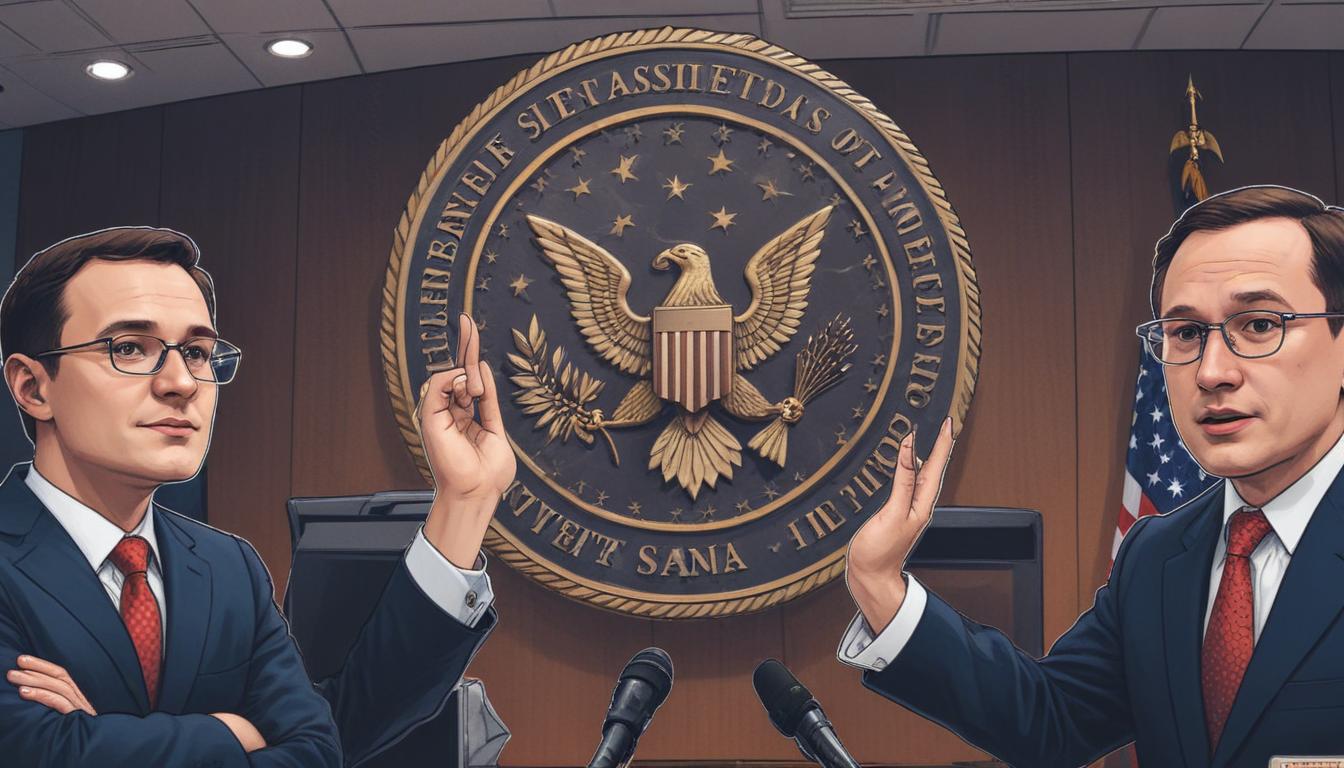
The SEC's Investigation into OpenSea: A Deep Dive into the Closure and its Implications
The Securities and Exchange Commission's (SEC) August 2024 investigation into OpenSea, the leading NFT marketplace, concluded without charges, marking a pivotal moment for the NFT sector and the broader cryptocurrency landscape. This event wasn't just a legal victory for OpenSea; it sparked a critical re-evaluation of how NFTs are classified and regulated, prompting introspection on the balance between fostering innovation and ensuring investor protection. This comprehensive analysis delves into the details of the SEC's inquiry, examines the allegations, and explores the far-reaching consequences for the future of NFTs and the crypto industry.
Understanding the SEC's Initial Concerns: Why OpenSea Was Under the Microscope
The SEC's investigation into OpenSea stemmed from concerns about the platform potentially operating as an unregistered securities marketplace, a violation of federal securities laws. This wasn't a simple case; the core issue lay in determining whether certain NFTs traded on OpenSea qualified as securities. The SEC's Howey Test, a decades-old legal standard, was the central point of contention. This test defines an investment contract (and therefore a security) as an investment of money in a common enterprise with a reasonable expectation of profits derived from the efforts of others. Many argued that this definition, designed for traditional financial instruments, doesn't seamlessly translate to the decentralized, often creator-driven world of NFTs.
The SEC likely focused on NFTs from projects offering promises of future utility, fractionalized ownership, or other features resembling traditional securities. For instance, projects promising future access to exclusive content, staking rewards tied to project performance, or shared ownership in underlying assets could be argued to meet the criteria of an investment contract. The investigation meticulously scrutinized these projects listed on OpenSea, assessing whether OpenSea facilitated the trading of these potentially unregistered securities. This investigation wasn't solely about OpenSea's actions, but also about establishing precedents for how the burgeoning NFT space will be regulated moving forward.
The SEC's investigation emphasized a critical point: the absence of proper registration and compliance with securities laws exposes investors to several significant risks. These risks include fraud, a lack of transparency regarding project fundamentals and financial health, and inadequate disclosure of information that investors typically rely upon to make informed decisions in traditional securities markets. The investigation aimed to address these potential risks to protect investors and maintain market integrity.
Devin Finzer's Response: A Celebration of Innovation or a Dismissal of Regulatory Concerns?
OpenSea's CEO, Devin Finzer, hailed the SEC's decision to close the investigation as a victory for innovation. He framed the potential classification of many NFTs as securities as a setback for creativity and progress in the digital asset space. His public statements emphasized that forcing NFTs into the traditional securities framework would misinterpret existing laws and hinder the development of groundbreaking applications for blockchain technology. This perspective represents a widely held sentiment within the NFT community: that overly stringent regulations could stifle innovation and limit the market's potential to transform various sectors, including art, gaming, and entertainment. It's crucial to note that this perspective doesn't negate the importance of investor protection, but rather argues that the current securities framework may be ill-suited to regulate the unique aspects of the NFT market.
Finzer's statements also hint at a wider industry concern: the threat of excessive regulation driving innovation and entrepreneurial activity offshore. A less flexible, more rigid regulatory environment could push the development of NFTs and associated projects outside of the United States, potentially impacting American competitiveness in the fast-evolving blockchain technology sector. Therefore, the closing of the investigation was viewed as a win not only for OpenSea but for the future of the US's participation in the global NFT landscape.
Industry Reactions: A Chorus of Support and Cautious Optimism
The news was met with positive reactions from other major players in the NFT ecosystem. Chris Akhavan, Chief Business Officer at Magic Eden, OpenSea's main competitor, expressed support, highlighting the shared belief in the long-term potential of NFTs and a favorable regulatory environment. This statement, despite the obvious competition, is significant. It demonstrates an understanding within the industry that the success of one platform is often linked to the health of the entire ecosystem. An overly harsh regulatory approach toward one platform could set a precedent that could harm all.
Coinbase CEO Brian Armstrong's congratulatory message to OpenSea, coinciding with the SEC's decision to drop its lawsuit against Coinbase, fueled speculation about a potential shift in the SEC's overall approach to cryptocurrency regulation. These events, taken together, suggest that a more balanced and pragmatic regulatory strategy may be emerging. The SEC's actions might reflect a more nuanced understanding of the complexities of regulating decentralized technologies and a growing awareness that overly aggressive enforcement could lead to unintended consequences, driving industry participation to more lax regulatory jurisdictions.
Navigating the Future: The Ongoing Need for Clarity and a Balanced Approach
While the closure of the OpenSea investigation offers short-term relief, the fundamental challenges surrounding NFT regulation persist. The SEC's decision doesn't settle the crucial question of how to classify NFTs as securities; ambiguity remains. This uncertainty continues to create a challenging environment for NFT marketplaces, creators, and investors alike. The future requires a clear and comprehensive regulatory framework that provides guidance for all stakeholders. This framework must strike a delicate balance between protecting investors from fraud and manipulation while fostering the growth and innovation crucial for the sustained success of the NFT ecosystem.
The SEC's actions, including its withdrawal of its appeal against a court ruling blocking regulatory changes for DeFi protocols, suggest an evolving approach to crypto regulation. This shift might reflect a greater understanding of the nuances of decentralized technologies and a recognition of the potential harm of overly restrictive regulations. The ongoing dialogue between industry stakeholders, regulators, and policymakers will be critical in establishing a sustainable and equitable regulatory landscape for NFTs and the broader cryptocurrency industry. This collaborative effort is essential for maintaining the United States' competitiveness in the rapidly expanding global market for blockchain technologies.
The path forward involves continued collaboration between regulators and the industry to develop clear, comprehensive, and consistent regulatory guidelines. This process is crucial to ensuring both investor protection and the responsible growth of the NFT market. The ultimate success of this process depends on a commitment to balancing the need for clear regulation with fostering innovation, thus ensuring the long-term health and sustainability of this transformative technology.
The SEC's decision regarding OpenSea is not a definitive conclusion, but rather a critical juncture in the ongoing evolution of NFT regulation. Clearer definitions, easily understood compliance standards, and proactive engagement are crucial for the sustainable growth of the NFT ecosystem and its seamless integration into the wider financial landscape.## Unpacking the Ripple Effect: How NFT Regulation Impacts the Crypto Industry
The SEC's decision to conclude its investigation into OpenSea without charges sends reverberations far beyond the immediate relief felt by the marketplace itself. As a seasoned crypto analyst, I see this moment as significantly influencing the regulatory landscape for NFTs, potentially reshaping the trajectory of NFT marketplaces, and reigniting the critical discussion about whether NFTs should be classified as securities. The implications are complex and require careful evaluation, particularly within the context of the SEC's broader activities within the cryptocurrency space. Let's break down what this really means for you.
The Shifting Regulatory Sands: A Possible Course Correction by the SEC?
When you consider the closure of the OpenSea investigation alongside other recent SEC actions, a subtle but potentially crucial shift in the agency's approach to cryptocurrency regulation becomes apparent. Historically, the SEC has often taken a cautious, sometimes even adversarial, stance. We've seen this in lawsuits against major industry players, like Coinbase, where the SEC has aggressively pursued enforcement actions. However, the OpenSea decision, coupled with the withdrawal of its appeal regarding certain DeFi regulations, might indicate a recalibration.
What could be driving this? It's possible the SEC is beginning to acknowledge the inherent complexities of regulating decentralized technologies and the potential for unintended negative consequences arising from overly restrictive measures. I believe the SEC is increasingly aware that overly aggressive regulation risks stifling innovation and pushing valuable industry activity to more welcoming jurisdictions offshore. Striking the right balance between protecting investors and encouraging innovation within the nascent crypto space is a delicate balancing act. These recent moves might signify an attempt to find that equilibrium.
Think of it like this: you want to protect your garden from weeds, but you don't want to accidentally pull up the flowers you're trying to cultivate. The SEC faces a similar challenge in the crypto space.
The Enduring NFT Securities Debate: A Battleground for Legal Interpretation
At the heart of the SEC's investigation into OpenSea was the fundamental question of whether NFTs should be classified as securities. While the agency's decision to close the investigation without penalties is undoubtedly a positive development, it doesn't definitively answer this question. The ambiguity surrounding the definition of a "security" when applied to NFTs remains a significant source of uncertainty.
This uncertainty presents a real challenge for NFT marketplaces and creators. Some NFTs clearly exhibit characteristics that align with traditional securities, such as those promising future profits derived from the efforts of others, as defined by the Howey Test. However, many others function as digital art, collectibles, or utility tokens, where the securities definition is far less clear. This lack of well-defined regulatory guidelines creates a precarious environment and hinders the potential for broader adoption.
The ongoing debate underscores the urgent need for clearer legal frameworks that provide specific guidance on which NFTs fall under securities laws and which do not. Without such clarity, NFT platforms and investors face significant regulatory risk. We need a more nuanced approach that recognizes the diverse nature of NFTs and avoids applying a one-size-fits-all regulatory framework.
Consider this scenario: you're trying to build a house, but the building codes are vague and inconsistent. It's hard to know what's allowed and what's not, making it difficult to proceed with confidence. The NFT space is in a similar situation right now, waiting for clearer regulatory guidance.
The Future Landscape of NFT Marketplaces: Navigating the Regulatory Maze
The OpenSea case, while not setting a definitive precedent, does offer some insights for other NFT marketplaces. The fact that the SEC closed the investigation doesn't guarantee immunity from future scrutiny. Other platforms must remain vigilant, staying informed about the evolving regulatory landscape and taking proactive steps to mitigate potential legal risks. This proactive approach is crucial, especially in the absence of comprehensive, NFT-specific regulations.
So, what does a proactive approach look like in practice?
- Enhanced Due Diligence: Implementing rigorous processes for vetting projects listed on their platforms, ensuring that they comply with applicable regulations and don't exhibit characteristics of unregistered securities.
- Transparent Disclosures: Providing clear and comprehensive disclosures to users about the risks associated with trading NFTs, including the potential for fraud, market manipulation, and regulatory uncertainty.
- Robust Compliance Measures: Establishing internal compliance programs that monitor trading activity, detect and prevent illicit behavior, and ensure adherence to applicable laws and regulations.
The long-term success of NFT marketplaces will depend on their ability to navigate this complex regulatory environment while fostering trust and transparency within their ecosystems. They must act as responsible stewards of the NFT space, promoting ethical practices and protecting their users from harm.
Balancing Innovation and Regulation: Protecting the Golden Goose
The regulatory uncertainty surrounding NFTs undoubtedly has an impact on innovation. The fear of potential legal repercussions can deter developers from creating novel NFT projects, potentially slowing down the development of new applications and use cases for this technology. This "chilling effect" on innovation could stifle the growth of the entire NFT ecosystem.
Striking the right balance between regulatory clarity and the promotion of technological innovation is critical. Overly restrictive regulations can stifle growth and drive innovation offshore, but the absence of clear rules and guidelines creates risks and uncertainty that can also hinder development.
A collaborative approach is essential. This means regulators, industry participants, and legal experts working together to create a sustainable regulatory framework that safeguards investors while encouraging further development in the field. We need a regulatory framework that is both protective and growth-oriented, fostering innovation without compromising investor safety.
The OpenSea Outcome vs. Other SEC Actions: Spotting a Trend?
When we compare the closure of the OpenSea investigation with the SEC's ongoing lawsuit against Coinbase, a potentially divergent regulatory strategy appears to be emerging. The Coinbase case highlights the SEC's more assertive approach toward centralized cryptocurrency exchanges, focusing on issues related to registration and the classification of various cryptocurrencies as securities.
These seemingly contrasting approaches raise important questions about the SEC's overall regulatory philosophy and the potential for inconsistent application of its rules across different sectors within the crypto industry. This discrepancy underscores the need for a comprehensive, consistent regulatory framework that provides clear guidance to all stakeholders, ensuring fair and predictable treatment across different platforms and technologies.
Think of it as two different approaches to traffic enforcement: one where the police are focused on catching speeding drivers on the highway (Coinbase), and another where they're letting minor parking violations slide in a small town (OpenSea). It creates confusion and uncertainty for everyone involved.
Charting the Course Forward: Collaboration and Concrete Guidelines
The long-term implications of the SEC's decision on OpenSea remain to be seen. However, the incident serves as a powerful reminder of the urgent need for clear, comprehensive, and consistent regulatory guidelines for the NFT sector. The SEC, along with other relevant regulatory bodies globally, needs to actively engage in constructive dialogue with industry stakeholders to create a balanced framework that protects investors while fostering innovation.
This framework should include:
- Clearer Definitions: Providing precise definitions of what constitutes a security in the context of NFTs, taking into account the diverse characteristics and use cases of these digital assets.
- Understandable Compliance Standards: Developing compliance standards that are readily understandable and easily implementable by NFT platforms and creators, reducing the burden of regulatory compliance.
- Proactive Engagement: Fostering proactive engagement between regulators and the industry to address emerging issues and adapt regulations to the evolving landscape of NFTs.
This collaborative process is essential for both navigating the complexities of blockchain technology and ensuring the long-term health of the rapidly evolving cryptocurrency and NFT markets. The future of NFTs hinges on creating a regulatory environment that fosters innovation without compromising investor safety. This isn't just about protecting investors; it's about unlocking the full potential of this transformative technology and allowing it to flourish in a responsible and sustainable way.
The path forward requires a shift in mindset. Regulators need to move beyond a reactive, enforcement-focused approach and embrace a more proactive, collaborative approach that fosters innovation and promotes responsible growth. The industry, in turn, needs to engage with regulators in a constructive and transparent manner, providing valuable insights and expertise to help shape a regulatory framework that works for everyone.## OpenSea's Future and the NFT Industry: Charting a Course Through Regulatory Uncertainty
The SEC's decision to conclude its investigation into OpenSea without charges isn't just a sigh of relief for the leading NFT marketplace; it's a bellwether moment for the entire digital asset ecosystem. Think of it as a critical juncture where strategic planning, industry-wide reactions, and the ever-present specter of future NFT regulation converge. The dust hasn't settled, and the path forward remains obscured by a complex interplay of factors. In this section, we'll unpack OpenSea's post-investigation strategy, analyze the responses from major players like Magic Eden and Coinbase, and, most importantly, explore the long-term implications for innovation and market development within the NFT space. Forget quick fixes; we're diving deep into the challenges and opportunities that lie ahead.
OpenSea's Strategic Playbook: Building on Shifting Sands
While the SEC's decision appears to offer OpenSea a degree of stability, the reality is far more nuanced. The investigation itself served as a stark reminder of the regulatory minefield that NFT platforms must navigate. OpenSea's immediate focus will likely revolve around cementing its market leadership while proactively addressing the remaining regulatory uncertainties. What exactly does this entail? Let’s break down the key elements of their potential strategic playbook:
-
Fortifying Compliance Defenses: Expect OpenSea to significantly bolster its internal compliance infrastructure. This isn’t just about ticking boxes; it's about building a robust system to mitigate future regulatory risks. This could manifest in several ways:
- Enhanced NFT Vetting: Implementing stricter, more comprehensive vetting processes for new NFT projects listed on the platform. This involves analyzing projects for potential securities-like characteristics, verifying the legitimacy of project teams, and scrutinizing smart contract code for vulnerabilities. Think of it as a 'know your NFT' policy.
- Clearer Risk Disclosures: Providing users with more transparent and easily understandable disclosures regarding the inherent risks associated with NFT trading. This includes highlighting the potential for price volatility, illiquidity, fraud, and regulatory changes. No more fine print; just plain-language explanations.
- Advanced Monitoring and Detection: Deploying sophisticated mechanisms to identify and address potentially problematic activities on the platform, such as wash trading, market manipulation, and the listing of counterfeit or infringing NFTs. This is about proactively policing the marketplace to maintain integrity.
Fueling Technological Innovation: Despite the regulatory headwinds, OpenSea is unlikely to throttle its investment in technological advancements. Innovation is the lifeblood of the crypto space, and OpenSea knows it. This could involve:
- Refining the OS2 Platform: Continuously enhancing the user experience of its existing platform, OS2, with improvements to navigation, search functionality, and mobile accessibility. Make it easier for users to find and trade NFTs.
Cultivating Community Trust: The mixed reception to the SEA token airdrop and the XP reward system served as a stark reminder of the importance of community engagement. OpenSea needs to prioritize building stronger relationships with its users through:
- Open Dialogue: Fostering a more transparent and open dialogue with its community, actively soliciting feedback, and addressing concerns promptly and effectively. No more top-down pronouncements; it's time for collaborative conversations.
Forging Strategic Alliances: Strategic partnerships can significantly bolster OpenSea's market position and resilience, helping it to navigate the complex regulatory landscape and solidify its standing within the industry. Potential partnerships could include:
- Blockchain Developers: Collaborating with blockchain developers to integrate new technologies and enhance the functionality of the OpenSea platform. This keeps OpenSea at the cutting edge.
The SEC's closure of the investigation is not a 'get out of jail free' card. Regulatory ambiguity continues to loom large over the NFT space. OpenSea must proactively anticipate and adapt to evolving regulatory guidelines, investing strategically in legal expertise and regulatory compliance to maintain its leading position in a volatile and constantly shifting market. They need to be agile, adaptable, and always one step ahead of the regulators.
Industry Reactions: A Symphony of Support, Competition, and Cautious Optimism
The immediate reactions from other major players in the NFT space were largely positive, but beneath the surface lies a complex mix of support, competitive dynamics, and cautious optimism. Let's dissect the key responses:
-
Magic Eden's Solidarity Stance: Chris Akhavan's public support for OpenSea, despite being Chief Business Officer at Magic Eden (a direct competitor), highlights a crucial point: a shared interest in fostering a favorable regulatory environment. This demonstrates a degree of industry solidarity in the face of regulatory uncertainty. Akhavan understands that overly stringent regulations could harm all players, regardless of their market share. His statement serves as a call for a collaborative approach to addressing regulatory challenges, recognizing that the success of one marketplace can positively impact the entire sector. Think of it as a rising tide lifting all boats.
-
Coinbase's Parallel Victory: Coinbase's positive news regarding the SEC's decision to drop its lawsuit against them concurrently with the OpenSea announcement reinforces the narrative of a potentially less aggressive approach to crypto regulation. This parallel development underscores the systemic nature of the challenges facing the crypto industry. The confluence of these two events may symbolize a broader shift towards a more balanced and pragmatic regulatory approach that acknowledges the transformative potential of blockchain technology while striving to mitigate risks. However, it’s important to note that correlation doesn't equal causation. While these events occurred around the same time, they may not be directly linked.
-
The Undercurrent of Competition: While the public statements were largely supportive, it's naive to assume that competition has vanished. Smaller NFT marketplaces may find it increasingly difficult to comply with rising regulatory scrutiny and compete against OpenSea's established position and resources. This could lead to increased market consolidation, where a few large players dominate the landscape. Furthermore, the regulatory uncertainty may incentivize the emergence of new competitors operating in jurisdictions with more favorable regulatory frameworks, potentially shifting the center of gravity for the NFT market. It's a game of chess, not checkers.
Long-Term Impact on Innovation and Market Development: Charting the Uncharted
The SEC's decision, while a win for OpenSea, doesn't magically erase the significant regulatory uncertainty that continues to define the NFT landscape. The long-term effects on innovation and market development are multifaceted and inextricably linked to ongoing developments in the broader crypto regulatory environment. We need to consider several key factors:
-
The Persistent Problem of Regulatory Clarity: The lack of clear and consistent regulatory guidelines remains a major impediment to long-term growth. The absence of a definitive answer regarding the classification of NFTs as securities creates a chilling effect, hindering innovation. Developers may be reluctant to invest time and resources in creating innovative NFT projects due to the persistent regulatory risks. It's like trying to build a business in a town where the rules change every week.
-
The Confidence Conundrum: Clearer regulations can significantly boost investor confidence, encouraging greater participation in the NFT market. Conversely, sustained regulatory uncertainty may lead to investor hesitation, potentially slowing down market expansion and limiting the overall size of the NFT ecosystem. Investors crave certainty; without it, they're likely to sit on the sidelines.
-
The Tech Imperative: The ongoing development of blockchain technology and related technologies will play a pivotal role in shaping the future of the NFT market. Innovations in areas like scalability, security, and interoperability are crucial for the maturation and wider adoption of NFTs. A supportive and appropriately regulated ecosystem is essential for incentivizing such innovation. Think of scalability solutions, like layer-2 networks, as highways that alleviate traffic congestion, allowing for faster and cheaper NFT transactions.
-
The Consolidation Question: Regulatory uncertainty and increased scrutiny may accelerate market consolidation. Smaller players may be forced to exit the market, leaving a smaller number of larger, more established marketplaces to dominate. This process could reduce competition, potentially affecting pricing and overall market efficiency. A healthy ecosystem needs a diverse range of players, not just a few giants.
The future of the NFT market is inextricably linked to the evolution of its regulatory environment. A collaborative approach that involves meaningful engagement between regulators, policymakers, industry players, and the wider community is paramount for establishing a regulatory framework that balances investor protection with the need to nurture innovation. The SEC's decision regarding OpenSea represents just one step in this ongoing, complex process. The ultimate outcome remains shrouded in uncertainty, but one thing is clear: the NFT space is at a critical inflection point. The choices we make today will determine its trajectory for years to come. The focus moving forward needs to be on clear definitions, easily understood compliance standards, and proactive engagement. Only then can we pave the way for the sustainable growth of the NFT ecosystem and its seamless integration into the wider financial landscape.## Navigating the NFT Regulatory Landscape: Key Takeaways from the OpenSea Investigation
The SEC's closed investigation into OpenSea, while ending without charges, leaves a lasting impact on the NFT industry, highlighting the need for clearer regulations and responsible innovation.
Key Takeaways:
- The SEC's decision, while positive for OpenSea, doesn't resolve the core issue of NFT classification as securities, leaving future regulatory uncertainty.
- NFT marketplaces must proactively enhance compliance measures, including thorough project vetting, transparent disclosures, and robust monitoring systems.
- A collaborative approach between regulators and industry stakeholders is crucial for developing a balanced regulatory framework that fosters innovation while protecting investors.
#NFT Marketplace #Crypto Law #OpenSea SEC Investigation #NFT Regulation #Cryptocurrency