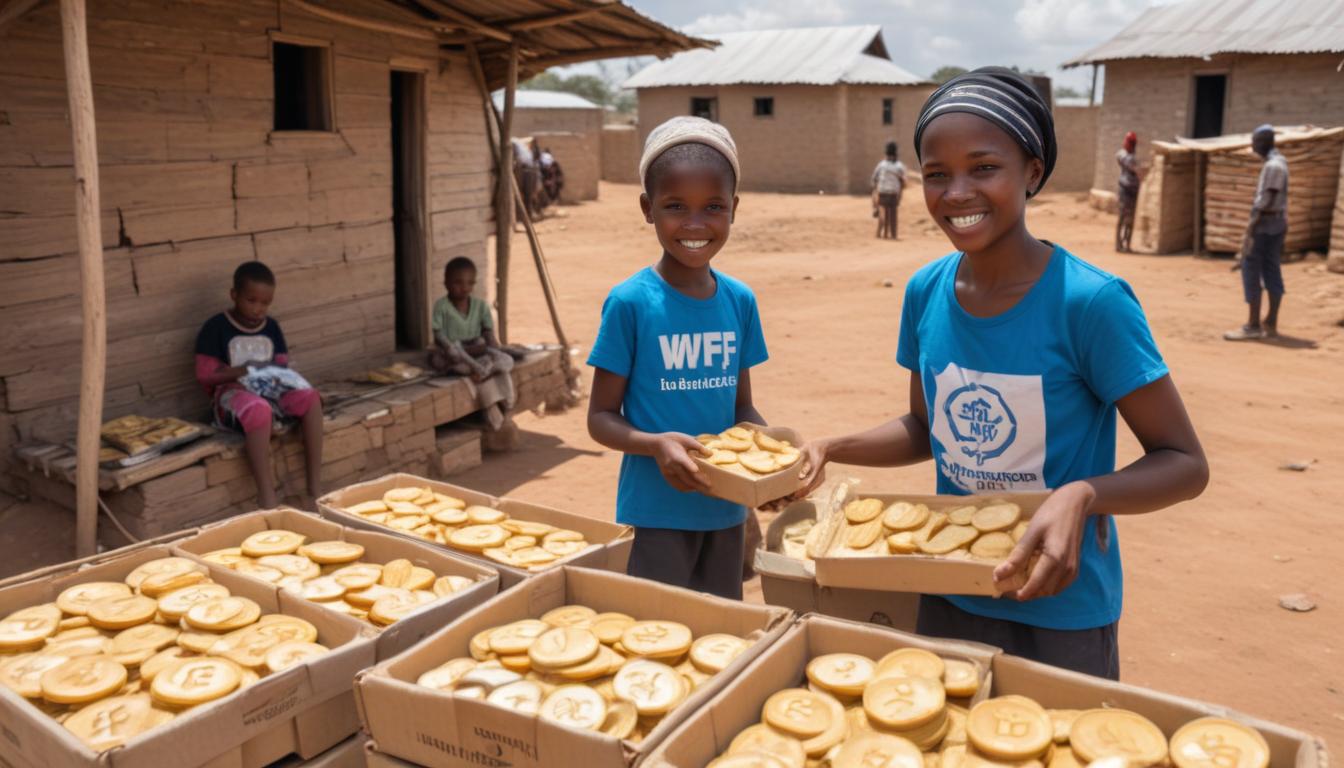
WFP USA's Move to Cryptocurrency: A Necessary Shift in Humanitarian Aid
The World Food Program USA's (WFP USA) decision to embrace cryptocurrencies signals a groundbreaking moment for humanitarian aid. By providing a faster and more cost-effective way to support those in need, this strategic shift acknowledges the mounting pressures on traditional aid systems and leverages the innovative potential of blockchain technology. WFP USA's acceptance of over 80 cryptocurrencies seeks to tap into the growing crypto community, boost operational efficiency, and encourage broader participation in the global effort to combat hunger.
Addressing the Strain on Traditional Aid Systems
Traditional aid systems are grappling with unprecedented challenges. The combination of rising global hunger, economic instability, and logistical hurdles necessitates exploring innovative solutions. As Amin, a WFP USA spokesperson, noted, "Traditional aid systems are under immense pressure. Embracing new technologies like blockchain and cryptocurrency isn’t just a choice—it’s necessary." This statement underscores the critical need to diversify aid delivery methods and integrate cutting-edge technologies to enhance effectiveness. Relying solely on established financial institutions and intermediaries often leads to delays and inflated transaction costs, hindering the timely delivery of vital assistance to those who need it most.
Advantages of Cryptocurrency Adoption: Efficiency and Transparency
WFP USA's move to accept cryptocurrency donations offers several key advantages, fundamentally changing how aid is delivered and managed:
- Accelerated Transaction Processing: Cryptocurrency transactions offer significantly faster processing times compared to traditional banking systems. Instead of waiting days for funds to clear, crypto transactions can be completed in minutes. This speed is critical in delivering immediate relief to those facing food insecurity.
- Reduced Transaction Costs: Traditional financial systems often impose hefty transaction fees, diminishing the amount of aid that reaches recipients. Cryptocurrencies typically have lower fees, ensuring that a larger portion of each donation goes directly to those in need. For instance, the WFP's Building Blocks program has slashed transaction costs by up to 98%.
- Enhanced Operational Efficiency: By leveraging blockchain technology, WFP USA can streamline aid delivery, reducing bureaucratic obstacles and minimizing the potential for corruption or mismanagement. This efficiency means more resources reach intended beneficiaries promptly and effectively.
- Expanded Donor Base: Accepting cryptocurrency donations opens doors to a mission-driven community eager to make a difference. This expands WFP USA's reach, allowing it to tap into a new pool of donors passionate about both humanitarian causes and technological innovation.
- Improved Transparency and Accountability: Blockchain technology provides a transparent and immutable record of all transactions, bolstering accountability and building trust among donors and beneficiaries. This transparency ensures funds are used as intended and that aid reaches those who need it most.
- Potential Tax Benefits for Donors: In certain jurisdictions, donating cryptocurrency to charitable organizations like WFP USA may offer tax advantages, such as capital gains exemptions and deductions at full market value, further incentivizing crypto donations.
Cryptocurrency Donations: A Mutually Beneficial Solution
Cryptocurrency donations offer a win-win solution. Individuals seeking to support global causes can now leverage the potential of cryptocurrency. WFP USA's commitment builds upon its pioneering Building Blocks program, which utilizes blockchain technology to deliver aid directly to refugees through secure digital wallets. This innovative program demonstrates blockchain’s transformative potential in humanitarian aid by reducing transaction costs, minimizing fraud, and enhancing data security. Building Blocks serves as a model for organizations looking to leverage blockchain for improved aid delivery and the empowerment of vulnerable populations. By eliminating traditional banking systems and intermediaries, the program ensures aid reaches recipients more quickly and efficiently.
Inspiring the Nonprofit Sector
WFP USA's decision to embrace cryptocurrencies could inspire other nonprofits to follow suit. As cryptocurrencies gain mainstream acceptance, more organizations may recognize the potential of blockchain technology to enhance their operations and broaden their reach. This could lead to wider crypto adoption in the nonprofit sector, driving innovation and improving aid delivery worldwide. The potential for cryptocurrency integration across various sectors is growing, as evidenced by examples such as Sweden’s MP Rickard Nordin proposing Bitcoin for foreign exchange reserves, setting the stage for broader adoption in humanitarian efforts.
Advancing Global Food Security
With global hunger on the rise, innovation is essential for advancing food security. WFP USA's adoption of cryptocurrencies represents a significant step in this direction, demonstrating technology's potential to transform humanitarian aid and empower vulnerable populations. By leveraging the speed, efficiency, and transparency of blockchain technology, WFP USA can deliver aid faster, more efficiently, and with greater transparency. This ultimately helps alleviate hunger and improve food security for vulnerable populations worldwide. This bold initiative serves as an inspiration for other nonprofits and highlights the potential of technology to revolutionize humanitarian efforts and drive positive change on a global scale.
Lee también: Crypto AI: Innovators vs. Mainstream - Will AI Revolutionize Crypto for All?
Benefits of Crypto Donations: Speed, Efficiency, and Tax Advantages
Donating to the World Food Programme USA (WFP USA) has become significantly faster, more efficient, and potentially more tax-advantageous. Their innovative adoption of over 80 cryptocurrencies provides donors a powerful new avenue for supporting the fight against global hunger, offering benefits that extend far beyond simply providing crucial aid. This section explores these key advantages, highlighting how they incentivize greater participation in humanitarian efforts and contribute to a more efficient and transparent aid delivery system.
Accelerated Aid Delivery: The Unmatched Speed of Crypto Transactions
One of the most compelling benefits of donating cryptocurrency to WFP USA is the extraordinary speed of transactions. Unlike traditional methods, which can take days or even weeks for funds to clear through banking systems and navigate international transfers, cryptocurrency transactions are typically processed within minutes. This rapid processing is critical in humanitarian crises, where immediate aid is often life-saving. The swiftness of crypto transactions ensures donations reach those in need significantly faster, maximizing their impact in time-sensitive situations. This immediacy is a game-changer for organizations like WFP USA, empowering them to respond more effectively to emergencies and provide consistent, timely assistance. The speed advantage allows WFP USA to allocate resources where and when they are needed most, optimizing the impact of every donation.
Minimizing Overhead: Lower Transaction Fees and Streamlined Efficiency
Traditional donation methods frequently involve substantial transaction fees imposed by intermediaries like banks and payment processors. These fees can significantly reduce the overall amount of aid reaching the intended recipients. Cryptocurrency transactions, however, are characterized by considerably lower fees. This means a larger percentage of each donation directly supports WFP USA's crucial work in combating hunger, maximizing the impact of every contribution. Furthermore, the inherent efficiency of blockchain technology streamlines the entire donation process, reducing bureaucratic hurdles and administrative overhead. This translates to fewer resources consumed by administrative processes, enabling more funds to be channeled directly towards aid delivery and beneficiary support. This efficiency ensures that more of your donation is used to directly alleviate suffering.
Tax Advantages: Incentivizing Crypto-Based Philanthropy
For many donors, the potential tax advantages associated with cryptocurrency donations provide a significant incentive. Depending on individual circumstances and applicable tax laws, donating cryptocurrencies might offer opportunities for capital gains exemptions or deductions. Donating appreciated cryptocurrency assets—those currently valued higher than their original purchase price—can offer substantial tax benefits compared to donating an equivalent amount in fiat currency. This effectively lowers the overall cost of donation for certain individuals, making charitable contributions more financially accessible and potentially encouraging larger donations. The possibility of claiming deductions or exemptions can significantly enhance the impact of your contribution. We encourage you to consult with a tax professional to understand the implications for your personal circumstances.
Expanding the Donor Base: Reaching the Crypto-Savvy Philanthropists
Lee también: Crypto AI: Innovators vs. Mainstream - Will AI Revolutionize Crypto for All?
WFP USA's acceptance of numerous cryptocurrencies opens the door to a new and engaged donor base: the crypto community. This community often demonstrates a strong commitment to social impact and innovative solutions, bringing a fresh perspective and expanded resources to the fight against hunger. This significantly broadens the base of support, increasing the organization's overall capacity to deliver aid and respond to global crises more effectively. The inclusion of crypto donations increases the potential reach and impact of WFP USA’s mission.
Enhanced Transparency and Accountability: The Blockchain Advantage
Cryptocurrency transactions, recorded on a public blockchain, offer unparalleled transparency and accountability. Donors can easily track their contributions and verify their impact, knowing that their funds are being utilized effectively and ethically. This open and verifiable nature of blockchain transactions reduces the risk of misappropriation of funds and ensures greater accountability across the entire aid distribution chain, building trust and confidence in WFP USA's operations. Learn more about the transparency of blockchain technology in humanitarian aid.
Lee también: Bitcoin in Public Finance: US States Gamble Big, Kenya Charts a Cautious Course
In conclusion, the advantages of crypto donations to WFP USA are multifaceted and compelling. The speed and efficiency of cryptocurrency transactions, coupled with potential tax advantages and the expansion of the donor base, create a strong incentive for individuals to contribute using cryptocurrencies. This innovation not only strengthens WFP USA's ability to deliver timely and effective aid but also showcases the transformative potential of blockchain technology in humanitarian efforts, ultimately driving positive change in the fight against global hunger. Your crypto donation can make a real difference, faster and more efficiently than ever before.
WFP's Building Blocks Program: Leveraging Blockchain for Direct Aid Delivery
The World Food Programme (WFP)'s Building Blocks program provides a powerful illustration of how blockchain technology can revolutionize humanitarian aid distribution, directly improving the lives of vulnerable populations. The program deploys blockchain to deliver aid, primarily as digital cash, directly to refugees via secure digital wallets. This innovative approach bypasses traditional intermediaries, streamlining distribution and enhancing efficiency. By utilizing blockchain's unique features—transparency, security, and efficiency—Building Blocks significantly reduces transaction costs, minimizes fraud, and eliminates reliance on conventional banking, creating a more direct and effective means of delivering vital assistance.
Direct Aid Delivery via Secure Digital Wallets
At the core of the Building Blocks program is the concept of providing direct aid to beneficiaries through secure digital wallets. Refugees receive assistance in the form of digital currency, which they can use to purchase food and other essential items from local merchants. This approach empowers individuals to make their own purchasing decisions, fostering dignity and autonomy while stimulating local economies. The digital wallets are secured using blockchain technology, ensuring protection against unauthorized access and maintaining transaction transparency and auditability. This eliminates the risks associated with physical cash, such as loss or theft, offering beneficiaries a secure and efficient way to manage their aid.
Reducing Transaction Costs and Maximizing Impact
One of the most significant achievements of the Building Blocks program is its ability to drastically reduce transaction costs traditionally associated with aid delivery. Traditional methods often involve multiple intermediaries, each adding to the overhead and potentially delaying the delivery of aid. Blockchain technology facilitates direct transactions between the WFP and beneficiaries, significantly reducing costs and improving efficiency. This streamlined process allows aid to be delivered quickly, even in areas lacking robust banking infrastructure. Furthermore, the program empowers beneficiaries by giving them direct control over their funds, enabling independent purchasing decisions without reliance on intermediaries. By bypassing traditional banking systems, the Building Blocks program ensures that aid reaches those who need it most, regardless of their location or access to financial services.
Lee también: Bitcoin in Public Finance: US States Gamble Big, Kenya Charts a Cautious Course
Empowerment and Economic Stimulation
Beyond providing essential goods, the Building Blocks program empowers beneficiaries by giving them control over their funds. Refugees can choose where and how to spend their assistance, fostering a sense of dignity and autonomy. This direct injection of funds into local economies stimulates economic activity, benefiting local merchants and creating opportunities for growth. By empowering individuals and supporting local businesses, the Building Blocks program contributes to the long-term sustainability of refugee camps and displacement settings.
Building Blocks: A Model for the Future of Aid
The Building Blocks program serves as a pioneering model for applying blockchain technology to humanitarian aid. Its success in reducing transaction costs, combating fraud, and empowering beneficiaries has inspired other organizations to explore blockchain's potential for improving aid delivery. As the technology evolves, blockchain is poised to play a crucial role in the humanitarian sector, driving innovation and improving the lives of vulnerable populations globally. The Building Blocks program demonstrates blockchain's transformative potential, illustrating how it can create a more efficient, transparent, and equitable system for delivering aid to those who need it most. We've explored the combined efforts of Avelino Valencia and Dennis Porter in shaping key legislation that promotes transparency and equity in digital asset management.
Scalability and Adaptability of the Building Blocks Program
The Building Blocks program is designed for both effectiveness and scalability, allowing it to expand to new locations and adapt to different needs. This scalability is crucial in addressing the dynamic landscape of humanitarian crises, ensuring rapid and effective deployment in response to emerging global needs. The program's adaptability extends to the types of assistance provided, enabling it to address diverse needs across different contexts. It prioritizes data security, privacy controls, and adherence to strict data protection regulations, empowering beneficiaries with control over their data and privacy settings. This commitment to responsible and ethical operations builds trust among beneficiaries and stakeholders.
Partnerships and Collaboration
The success of the Building Blocks program hinges on strong partnerships among the WFP, governments, technology providers, and local communities. These collaborations ensure effective program implementation and alignment with beneficiary needs. Government partnerships secure regulatory approvals and align the program with national policies. Technology providers develop and maintain the blockchain platform, while local communities ensure cultural appropriateness and relevance. By fostering strong partnerships, the Building Blocks program operates sustainably and maximizes its impact.
Overcoming Challenges and Future Directions
While the Building Blocks program has achieved significant success, it has also faced challenges such as technical hurdles, regulatory uncertainties, and the need to build trust among beneficiaries and stakeholders. Addressing these challenges requires ongoing innovation, collaboration, and a commitment to continuous improvement. As the program evolves, it is expected to explore new technologies, such as artificial intelligence and machine learning, to optimize aid delivery and enhance the beneficiary experience. The future of the Building Blocks program holds great potential for further transforming humanitarian aid and improving the lives of millions worldwide.
Building a More Resilient and Equitable Food System
Ultimately, the Building Blocks program contributes to a more resilient and equitable food system. By empowering individuals, supporting local economies, and reducing fraud and corruption, the program helps create a more sustainable and just system for delivering aid. It serves as a model for using technology to address pressing global challenges, inspiring innovation and collaboration across sectors. As the world grapples with climate change, food insecurity, and economic inequality, the lessons from the Building Blocks program will be invaluable in shaping a more resilient and equitable future.
The WFP's Building Blocks program is more than a technological innovation; it represents a fundamental shift in humanitarian aid. By directly empowering beneficiaries with secure digital wallets and bypassing inefficient traditional systems, the program delivers aid more effectively, fostering trust, transparency, and accountability. Its success demonstrates how blockchain technology can address critical global challenges, paving the way for a more resilient and equitable future. The program’s focus on cost reduction, fraud minimization, and reduced reliance on traditional banks underscores its commitment to maximizing the impact of every donation, ensuring resources reach those who need them most.
Implications and Future Outlook: Crypto's Role in Global Food Security
The World Food Programme USA (WFP USA) has made a groundbreaking move by accepting over 80 cryptocurrencies, signaling a paradigm shift in humanitarian aid and holding profound implications for global food security. This innovative approach, leveraging the power of blockchain technology, promises to revolutionize aid delivery, inspire other organizations to adopt similar strategies, and significantly advance efforts to combat global hunger. Let's delve into the multifaceted implications of this decision and explore the transformative potential of crypto and blockchain in the humanitarian sector.
The Ripple Effect: Crypto Adoption Across the Nonprofit Sector
WFP USA's bold step could trigger a domino effect within the nonprofit world. As organizations witness the tangible benefits – increased efficiency, reduced costs, and access to a wider donor base – they're likely to explore similar crypto integration strategies. This could lead to widespread crypto adoption in humanitarian aid, significantly expanding blockchain's positive impact on global challenges. Organizations focused on disaster relief, healthcare, education, and other critical areas stand to benefit immensely from the transparency, speed, and cost-effectiveness that cryptocurrencies offer. The key lies in clearly demonstrating these benefits and providing comprehensive guidance on navigating the intricacies of crypto integration.
Enhanced Transparency and Accountability: Blockchain's Immutable Ledger
One of the most compelling reasons for crypto adoption in humanitarian aid is its capacity to enhance transparency and accountability. Traditional aid systems often involve numerous intermediaries, hindering the efficient tracking of funds and ensuring aid reaches its intended recipients. Blockchain technology, with its immutable and auditable ledger, provides a transparent record of every transaction. This enhanced transparency fosters trust among donors, minimizes the risk of corruption, and ensures the responsible use of aid funds. WFP USA's commitment to blockchain-based transparency sets a powerful example, encouraging other organizations to adopt similar practices and improve their operational accountability.
Democratizing Access to Humanitarian Aid: Global Donor Inclusion
WFP USA's acceptance of diverse cryptocurrencies democratizes access to humanitarian aid globally. Traditional donation methods can be cumbersome and expensive, particularly for individuals in developing countries with limited access to traditional banking services. Crypto offers a more accessible and inclusive pathway to contribute to global causes. Anyone with a smartphone and internet access can donate cryptocurrency to WFP USA, irrespective of their location or financial status. This increased accessibility significantly expands the donor base and boosts the overall flow of resources dedicated to fighting global hunger.
Driving Innovation in Global Food Security: Blockchain's Transformative Potential
WFP USA's embrace of crypto extends beyond simple donation acceptance; it's about driving innovation in global food security through blockchain technology. The Building Blocks program, a prime example, utilizes blockchain to deliver aid directly to refugees. By leveraging blockchain, WFP USA reduces transaction costs, minimizes fraud, and empowers beneficiaries with greater control over their resources. This innovative model is replicable and scalable, offering solutions to other food security challenges, such as enhancing supply chain traceability, supporting smallholder farmers, and promoting sustainable agricultural practices. Further exploration of blockchain's potential is crucial to creating more efficient, transparent, and equitable global food systems.
Empowering Beneficiaries: Financial Inclusion Through Crypto
Cryptocurrency adoption in humanitarian aid fosters financial inclusion by providing beneficiaries access to digital financial services. Many in refugee camps and displacement settings lack access to traditional banking, making financial management and participation in the formal economy difficult. By offering aid in cryptocurrency, WFP USA empowers beneficiaries to access digital wallets, conduct online transactions, and establish a financial identity. This enhances their economic well-being and facilitates greater societal integration. The expanding adoption of crypto has the potential to significantly improve the lives of vulnerable populations by providing essential financial tools and services.
Navigating Challenges and Risks: Mitigating Crypto's Volatility and Security Concerns
While the benefits are substantial, acknowledging the inherent challenges and risks associated with crypto adoption is crucial. Crypto markets are volatile, leading to fluctuations in donation value. Regulatory uncertainty also poses a significant challenge, as governments worldwide grapple with effective cryptocurrency regulation. Security risks, including hacking and theft, are also a concern. Nonprofits must carefully assess these risks and implement robust safeguards to protect both donor funds and beneficiary data. This includes diversifying cryptocurrency holdings, utilizing secure wallets, and ensuring full compliance with all applicable regulations.
Addressing Market Volatility: Strategies for Sustainable Aid Programs
The volatility of cryptocurrency markets presents a unique challenge for organizations like WFP USA. To ensure the long-term sustainability of aid programs, several strategies can mitigate this risk. One approach is the immediate conversion of cryptocurrency donations into stablecoins or fiat currency upon receipt, effectively locking in the value. Another strategy involves strategically investing a portion of crypto donations in decentralized finance (DeFi) platforms to generate yield, offsetting potential losses from market fluctuations. Diversifying crypto holdings across multiple assets further reduces overall risk. A robust risk management framework addressing the specific challenges of crypto volatility is vital for ensuring the stability and reliability of aid programs.
Overcoming Regulatory Hurdles: Navigating International Legal Landscapes
Regulatory uncertainty remains a significant obstacle to widespread crypto adoption in humanitarian aid. Governments worldwide are adopting diverse approaches to cryptocurrency regulation, and the legal landscape is constantly evolving. Nonprofits must carefully navigate these complexities to ensure compliance with all applicable laws and regulations in their operational jurisdictions. This might involve obtaining licenses, registering with regulatory agencies, and implementing anti-money laundering (AML) and know your customer (KYC) procedures. Collaboration with legal counsel and industry experts is vital for navigating these regulatory hurdles and maintaining sustainable and compliant crypto operations.
Enhancing Data Security and Privacy: Protecting Sensitive Information
While blockchain technology enhances transparency, it also raises concerns regarding data security and privacy. All transactions are publicly visible on a blockchain, potentially exposing sensitive information about donors and beneficiaries. To address this, nonprofits must implement robust data security and privacy measures. This includes employing encryption to protect data, anonymizing transactions where possible, and strictly adhering to all applicable data protection regulations. Educating beneficiaries about the risks and benefits of blockchain technology and empowering them with control over their data is also paramount. Prioritizing data security and privacy builds trust and ensures responsible and ethical implementation of blockchain-based aid programs.
Collaboration and Partnerships: Fostering a Robust Crypto Ecosystem
Widespread crypto adoption in humanitarian aid necessitates collaboration and partnerships among various stakeholders: nonprofits, technology providers, governments, and the crypto community. Nonprofits need to collaborate with technology providers to develop secure and user-friendly crypto platforms. Governments must create clear and consistent regulatory frameworks that support innovation while protecting consumers. The crypto community can contribute vital technical expertise, funding, and advocacy. Through collaborative efforts, a more robust and sustainable ecosystem for crypto adoption in the humanitarian sector can be created.
Educating Stakeholders: Building Crypto Literacy
Educating donors and beneficiaries about cryptocurrencies and blockchain is crucial for successful adoption. Many remain unfamiliar with these technologies and may harbor concerns about security, volatility, and usability. Nonprofits need to invest in education and outreach, raising awareness of crypto's benefits and addressing existing concerns. This involves creating educational materials, hosting webinars and workshops, and offering one-on-one support. Empowering individuals with knowledge fosters trust and encourages greater participation in crypto-based aid programs.
Fostering Innovation: Embracing Experimentation and Risk-Taking
Realizing the full potential of crypto in humanitarian aid requires a culture of innovation and experimentation. Nonprofits must embrace risk-taking, explore new approaches, and learn from setbacks. This includes investing in research and development, partnering with startups and entrepreneurs, and creating environments for testing and refining new technologies. By fostering a culture of innovation, nonprofits can remain at the forefront of developments and create cutting-edge solutions to address global challenges. WFP USA's decision exemplifies the forward-thinking approach needed to drive substantial change in humanitarian efforts.
Alignment with Sustainable Development Goals: Crypto's Broader Impact
The United Nations Sustainable Development Goals (SDGs) provide a framework for addressing global challenges, including poverty, hunger, inequality, and climate change. Crypto and blockchain technology have the potential to contribute significantly to achieving several SDGs. Blockchain can improve supply chain transparency and reduce food waste (SDG 12), provide access to financial services for vulnerable populations (SDG 1), and promote sustainable agricultural practices (SDG 2). Aligning crypto initiatives with the SDGs demonstrates the broader impact of this work and attracts funding from impact investors.
The Future of Humanitarian Aid: A Decentralized and Transparent Ecosystem
WFP USA's adoption of cryptocurrencies offers a glimpse into the future of humanitarian aid: a decentralized and transparent ecosystem where resources flow directly to those in need, unburdened by bureaucratic hurdles and opaque intermediaries. This vision is driven by blockchain technology, enabling secure, transparent, and efficient transactions. As more nonprofits adopt crypto and blockchain, a more equitable and effective system for delivering aid to vulnerable populations will emerge worldwide.
Measuring Impact: Quantifying the Benefits of Crypto Adoption
Demonstrating the value of crypto adoption requires quantifiable metrics. This includes measuring cost savings from reduced transaction fees, increased efficiency from faster aid delivery, and improvements in transparency and accountability. Assessing the social impact, including beneficiary empowerment and stimulation of local economies, is equally important. By collecting and analyzing data, nonprofits can demonstrate the tangible benefits of crypto adoption and attract further investment in these innovative approaches.
Bridging the Digital Divide: Ensuring Equitable Access to Technology
Addressing the digital divide and ensuring equitable access to technology is crucial for maximizing the potential of crypto and blockchain in humanitarian aid. Many vulnerable populations lack access to smartphones, internet connectivity, and digital literacy skills. Nonprofits must bridge this gap by providing training, education, and access to affordable technology. This involves partnering with local organizations, creating culturally relevant educational materials, and advocating for policies promoting digital inclusion. Addressing the digital divide ensures equitable access to the benefits of crypto and blockchain technology across all segments of society.
A Call to Action: Embracing Innovation for a Hunger-Free World
WFP USA's embrace of cryptocurrencies demonstrates the power of innovation in addressing critical global challenges. By leveraging blockchain technology, WFP USA paves the way for a more efficient, transparent, and equitable system for delivering aid. This serves as a call to action for nonprofits, governments, and individuals to embrace innovation and explore crypto's potential in creating a hunger-free world. Collaborative efforts can build a future where everyone has access to the food and resources they need to thrive. The future of humanitarian work hinges on embracing these innovative tools and fostering collaboration across sectors to create a more resilient and equitable food system for all.
Cryptocurrencies Revolutionize Humanitarian Aid: WFP USA's Groundbreaking Move
The World Food Programme USA's (WFP USA) adoption of over 80 cryptocurrencies marks a significant shift in humanitarian aid, addressing limitations of traditional systems and leveraging blockchain's potential for faster, more efficient aid delivery.
Key Takeaways:
- Accelerated Aid Delivery: Crypto transactions enable near-instantaneous aid disbursement, crucial in emergencies.
- Reduced Costs & Enhanced Efficiency: Lower transaction fees and streamlined processes maximize aid reaching beneficiaries.
- Increased Transparency & Accountability: Blockchain's immutable ledger ensures funds are used responsibly and ethically.
- Expanded Donor Base: Crypto donations attract a new generation of philanthropists passionate about both humanitarian causes and technological innovation.
- Empowered Beneficiaries: Direct aid through digital wallets provides autonomy and control, stimulating local economies.