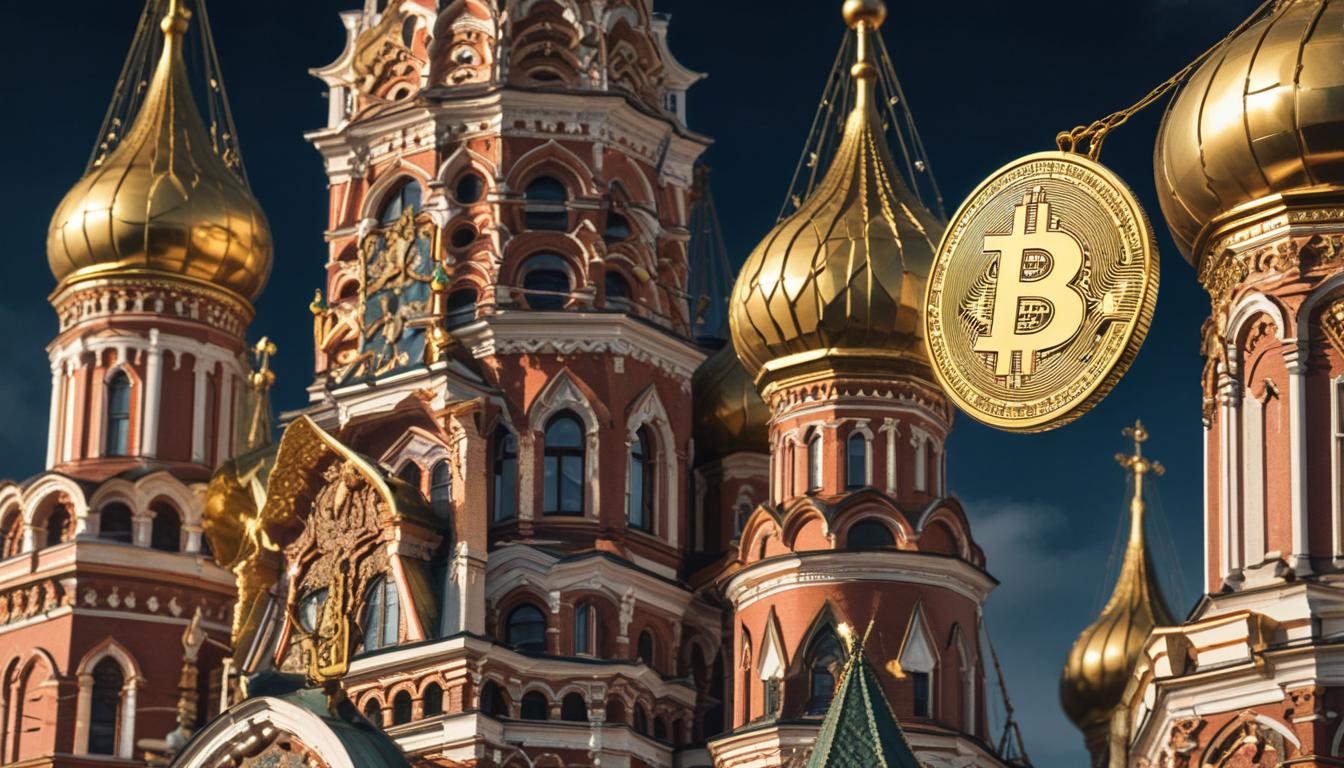
Decoding the Drivers Behind Russia's Crypto Property Recognition
Russia's landmark decision to legally recognize cryptocurrency as property has sent ripples throughout the global digital asset community. This move isn't just a regulatory formality; it's a calculated response to a rapidly evolving financial landscape, driven by the rise of crypto-related crime and the pressing need for a robust legal framework. Let's delve into the key factors underpinning this significant shift in Russia's stance on cryptocurrencies.
The Escalating Threat of Crypto Crime: A Catalyst for Change
The surge in crypto-related crimes within Russia's borders has been a primary driver behind the government's decision to formally recognize cryptocurrency as property. As digital currencies gained traction, so too did their exploitation for illicit activities, including money laundering, terrorist financing, and various forms of fraud. The pseudonymous nature of many cryptocurrencies, combined with the decentralized and borderless nature of blockchain technology, presented unique challenges for law enforcement. Traditional investigative methods struggled to keep pace with the sophisticated techniques employed by cybercriminals operating in the crypto sphere. This growing threat necessitated a legal framework capable of addressing the specific challenges posed by crypto-related crime, empowering authorities to effectively track, seize, and recover illicit funds.
The lack of a clear legal definition for cryptocurrencies previously hampered law enforcement's ability to effectively investigate and prosecute these crimes. This legal ambiguity created a breeding ground for illicit activity, as criminals exploited the regulatory gray area to their advantage. The recognition of cryptocurrency as property bridges this legal gap, providing the necessary tools for law enforcement to pursue and prosecute cybercriminals operating within the crypto space. This legal clarity is essential for deterring future criminal activity and protecting citizens from becoming victims of crypto-related scams and fraud.
Bridging the Legal Divide: Establishing a Clear Framework for Crypto
Beyond the immediate need to combat crime, Russia's recognition of cryptocurrency as property serves a broader purpose: establishing a clear legal framework for the burgeoning digital asset market. The previous lack of regulatory clarity created uncertainty for businesses and investors, hindering the growth of the legitimate crypto economy. This ambiguity led to inconsistent court decisions, hindering the adoption of cryptocurrencies by businesses and creating confusion among users regarding their rights and obligations.
The new legal framework provides a solid foundation for the future development of the Russian crypto market. By clearly defining the legal status of cryptocurrencies, it provides the necessary certainty for businesses to integrate digital assets into their operations, fostering innovation and investment. This clarity also empowers consumers, providing them with the legal protections and recourse necessary to engage confidently with the crypto market.
Empowering Law Enforcement: Tools for a Digital Age
The classification of cryptocurrency as property equips Russian law enforcement with the tools needed to combat crypto crime effectively. This empowers courts to issue orders to freeze and seize digital assets linked to illegal activities, mirroring the procedures used for traditional assets. This ability to seize and confiscate crypto assets is critical for disrupting criminal enterprises and recovering funds for victims of fraud.
Moreover, this legal recognition facilitates the tracking of illicit funds through blockchain transactions, allowing law enforcement to identify individuals and organizations involved in crypto crime. This enhanced traceability provides crucial evidence for prosecution, strengthens international cooperation in cross-border investigations, and assists in asset recovery efforts.
Aligning with Global Standards: A Step Towards International Harmonization
Russia's move aligns with a growing global trend towards the recognition and regulation of digital assets. As cryptocurrencies gain mainstream adoption, nations worldwide are grappling with the complexities of regulating this nascent asset class. By aligning its legal framework with international standards, Russia positions itself as a responsible actor in the global digital economy, fostering cooperation and attracting foreign investment. This harmonization of legal frameworks facilitates cross-border collaboration in crime investigations, asset recovery, and information sharing, creating a united front against transnational cybercrime.
Navigating the Challenges: Addressing Privacy and Regulatory Concerns
While the recognition of cryptocurrency as property brings significant benefits, it also presents challenges. Defining "property" in the digital realm is a complex undertaking, given the unique characteristics of cryptocurrencies. Issues like custody, private keys, and the cross-border nature of transactions require careful consideration to ensure consumer protection and prevent abuse.
The enhanced tracking capabilities enabled by this legal shift must be carefully balanced against the fundamental right to privacy. The focus on combating crime should not stifle innovation or create unnecessary barriers for legitimate crypto businesses and users. Striking this balance is crucial for the long-term health and growth of the Russian crypto ecosystem.
Practical Implications: Reshaping the Russian Crypto Landscape
The recognition of cryptocurrency as property has far-reaching implications for various sectors, including:
- Taxation: Cryptocurrency holdings can now be treated as taxable property, providing a clearer framework for tax collection on crypto gains and income.
- Bankruptcy Proceedings: Crypto assets can be included in bankruptcy proceedings and distributed to creditors, similar to traditional assets.
- Contract Law: Contracts involving cryptocurrencies can now be enforced in court, providing greater legal certainty for businesses and individuals.
These practical implications are crucial for mainstream crypto adoption in Russia, creating a more stable and predictable environment for businesses, investors, and consumers alike. As Russia refines its regulatory approach, the global community will be watching closely, observing the impact of this landmark decision and its potential to shape the future of crypto regulation worldwide. This move underscores Russia’s commitment to engaging with the digital asset landscape, balancing the need for security and regulatory oversight with the potential for innovation and economic growth.## Navigating the Complexities: Benefits and Challenges of Russia's Cryptocurrency Property Recognition
Russia's groundbreaking decision to recognize cryptocurrency as property marks a watershed moment, reshaping its digital asset landscape and presenting both unprecedented opportunities and significant challenges. This isn't merely a regulatory shift; it's a strategic maneuver with far-reaching implications for law enforcement, investors, businesses, and the global crypto community. Let's dissect the multifaceted benefits and potential pitfalls of this landmark legal change, offering a nuanced perspective informed by the latest developments and expert insights.
Strengthening Law Enforcement: A Double-Edged Sword of Enhanced Capabilities
The most immediate and impactful benefit stems from bolstering law enforcement's capacity to combat crypto-related crime. Previously, the lack of clear legal definitions hampered investigations, hindering the tracing of illicit funds, the seizure of assets, and the prosecution of perpetrators. By legally classifying cryptocurrency as property, Russia gains the tools to effectively address this critical deficiency.
-
Streamlined Asset Seizure and Recovery: Law enforcement can now leverage existing legal mechanisms for seizing and forfeiting traditional assets, adapting them to the unique characteristics of cryptocurrency. This translates to the ability to freeze wallets implicated in criminal activities, a crucial step in dismantling criminal networks and returning stolen funds to victims. Court orders, mirroring those for conventional property, provide the legal authority to enforce seizures, dramatically enhancing law enforcement's effectiveness.
-
Unprecedented Traceability and Investigative Power: The ability to legally trace cryptocurrency movements through blockchain transactions offers an unparalleled level of transparency into criminal networks. This enhanced traceability allows investigators to identify individuals and entities involved in illicit activities, strengthening case building, hindering future criminal ventures, and disrupting criminal operations. The inherent transparency of blockchain technology, coupled with lawful access, becomes a potent weapon in the fight against crypto crime.
-
Forging Stronger International Partnerships: By harmonizing its legal framework with international standards for classifying cryptocurrency as property, Russia facilitates enhanced collaboration with other nations in combating transnational crypto crime. Shared legal frameworks and procedures streamline information sharing, cross-border asset tracking, and suspect extradition, creating a more robust global response to the ever-evolving criminal landscape. This cooperation is vital given the borderless nature of cryptocurrency transactions, necessitating a unified international approach.
However, this enhanced law enforcement power also introduces potential challenges:
-
The Delicate Balance Between Security and Privacy: The increased capacity to monitor and track cryptocurrency transactions raises legitimate privacy concerns. The legal framework must meticulously balance the legitimate needs of law enforcement with fundamental privacy rights. Overzealous surveillance could have unintended consequences, potentially chilling legitimate crypto activity and infringing on individual liberties. Robust safeguards and clearly defined limitations on data access are crucial to maintain the integrity of the system and individual rights.
-
The Critical Need for Technological Expertise and Resources: Effectively wielding the new legal powers necessitates significant investment in training and resources for law enforcement agencies. A thorough understanding of blockchain technology, cryptocurrency wallets, and digital forensics is paramount for successful investigations. Without adequately trained personnel and sufficient technological resources, the new laws risk becoming largely ineffective, rendering the investment futile and leaving the criminal element unhindered.
-
The Evolving Nature of Crypto Crime and Technological Advancements: Cryptocurrency technology is constantly evolving, and so are the methods used to exploit it. Law enforcement agencies must continuously adapt their strategies, training, and technological capabilities to stay ahead of criminals employing increasingly sophisticated techniques. This requires ongoing investment in research, development, and personnel training to ensure that law enforcement remains equipped to effectively address the ever-shifting landscape of crypto crime.
Fostering Investor Confidence and Market Stability: A Foundation for Legitimate Growth
The formal recognition of cryptocurrency as property offers significant benefits for investors and contributes to greater market stability. The previous lack of legal clarity created substantial uncertainty, hindering the growth of a legitimate crypto market and exposing investors to heightened risks of fraud and scams.
-
Providing Legal Recourse for Victims of Fraud: Investors suffering losses due to scams or fraudulent activities now have a clear legal path to seek redress. The legal classification of cryptocurrency as property provides a foundation for filing civil lawsuits, pursuing the recovery of lost investments, and holding perpetrators accountable. This legal recourse is fundamental for building trust and attracting investment into the Russian crypto ecosystem, ensuring fairness for all involved.
-
Reducing Uncertainty and Cultivating Investor Confidence: A transparent and well-defined legal framework reduces the ambiguity surrounding cryptocurrency ownership and transactions. This increased legal certainty fosters investor confidence, attracting both domestic and international investment, stimulating the growth of the Russian crypto market, and driving innovation. A predictable regulatory landscape promotes a stable investment environment, critical for long-term growth.
However, challenges persist in this area:
-
Defining Property Rights in the Digital Realm: The unique nature of cryptocurrency—its decentralized structure and lack of physical form—presents challenges in defining property rights. The legal system must carefully navigate the complexities of digital ownership, custody, and asset transfer. Robust legal definitions are needed to address private key management, wallet security, and the risks of loss or theft of digital assets.
-
Contractual Enforcement and Dispute Resolution in the Cryptosphere: Establishing clear legal frameworks for contracts involving cryptocurrency transactions is crucial for market health. The legal system must be equipped to handle disputes arising from crypto transactions, providing fair and efficient resolution mechanisms. This necessitates a comprehensive understanding of cryptocurrency’s technical underpinnings and the legal implications of smart contracts.
-
The Volatility of Cryptocurrency Markets and Valuation Challenges: The inherent volatility of cryptocurrency markets poses significant challenges for legal frameworks. Determining the fair market value of crypto assets for taxation, legal disputes, or bankruptcy proceedings can be complex and subject to significant fluctuation. Developing consistent and reliable valuation methods is vital for ensuring fairness and predictability in legal applications.
Aligning with Global Standards: Participating in the Global Crypto Economy
Russia's move aligns its legal landscape with the global trend toward regulating digital assets. This alignment offers several key advantages:
-
Facilitating Enhanced International Cooperation: Harmonizing legal frameworks simplifies cross-border collaboration in areas such as crime investigations, asset recovery, and information sharing. This cooperation is paramount given the transnational nature of cryptocurrency transactions, requiring a united front against global criminal activities.
-
Attracting Foreign Investment and Promoting Economic Growth: A transparent and well-defined regulatory environment attracts foreign investment, fostering economic growth and technological innovation. International investors seek legal certainty and predictable regulatory frameworks, making Russia’s new approach attractive for attracting global investment, fostering economic prosperity.
Challenges related to global alignment include:
-
Adapting to Evolving Global Standards: The regulatory landscape for cryptocurrency is dynamic. Russia must continuously adapt its legal framework to reflect changes in international standards and best practices. This requires a proactive approach, ensuring regulatory agility to keep pace with global developments and maintain an up-to-date legal environment.
-
Addressing Jurisdictional Conflicts in a Borderless Digital World: The global nature of cryptocurrency transactions creates the potential for jurisdictional conflicts when crimes cross borders. Russia needs clear mechanisms for resolving these conflicts and cooperating with other jurisdictions to ensure effective prosecution and asset recovery. This demands robust international agreements and cooperative frameworks to address jurisdictional conflicts in a timely and efficient manner.
In conclusion, Russia’s recognition of cryptocurrency as property presents significant opportunities for strengthening law enforcement, protecting investors, and participating more fully in the global crypto economy. However, successful implementation requires careful consideration and management of the inherent challenges, including defining property rights in a digital context, safeguarding privacy, and adapting to the ever-evolving global regulatory landscape. The coming years will be crucial in observing how these benefits and challenges unfold in practice, shaping the future of cryptocurrency in Russia and influencing global crypto regulation for years to come. The success of this pivotal regulatory shift hinges upon careful execution, adaptive governance, and continuous evaluation.## Reshaping the Russian Crypto Landscape: Practical Implications and a Look Ahead
Russia's landmark decision to recognize cryptocurrency as property has sent shockwaves through the digital asset world, ushering in a new era of regulation with profound implications. This move isn't merely a legal technicality; it's a strategic recalibration of Russia's approach to the cryptosphere, designed to address the escalating threat of crypto crime while simultaneously fostering the growth of a legitimate and transparent digital asset market. Let's explore the practical ramifications of this legal shift across various sectors and delve into the potential future trajectory of Russian crypto regulation.
Taming the Wild West: Cracking Down on Crypto Scams and Fraud
The reclassification of cryptocurrency as property provides a much-needed legal framework for tackling the pervasive issue of crypto scams that have plagued the Russian market. Previously, victims of these fraudulent schemes faced an uphill battle, often finding themselves in a legal no-man's-land with limited recourse for recovering their lost assets. This lack of legal clarity emboldened perpetrators, creating a sense of impunity within the crypto Wild West.
Now, with the new legal recognition, victims can leverage existing property laws to pursue legal action, potentially leading to the freezing and seizure of ill-gotten gains held in cryptocurrency wallets. This newfound power to pursue legal recourse acts as a significant deterrent, discouraging potential scammers and fostering greater investor confidence within the Russian market. Courts now possess the authority to issue orders mirroring those used for traditional property, enabling the retrieval of stolen funds and potentially increasing conviction rates for perpetrators.
While the precise mechanisms for asset recovery will require further clarification as the regulatory framework evolves, the very principle of legal recourse represents a monumental improvement for victims of crypto scams. This enhanced legal protection will undoubtedly contribute to a more secure and trustworthy environment for cryptocurrency users in Russia.
From Gray Area to Taxable Asset: Navigating the New Crypto Tax Landscape
The recognition of cryptocurrency as property has profound implications for taxation in Russia. Previously, the lack of a clear legal definition created a gray area regarding the tax implications of cryptocurrency transactions and holdings. This ambiguity led to uncertainty and confusion, hindering both individual compliance and effective tax collection.
Now, with the new classification, cryptocurrency assets can be treated as taxable property, similar to stocks or real estate. This will necessitate the development of specific guidelines on tax reporting requirements for crypto transactions, including capital gains taxes on profits from trading and other forms of cryptocurrency-related income. The implementation will likely involve establishing transparent reporting procedures and potentially integrating cryptocurrency transactions into existing tax systems.
Tax authorities are anticipated to enhance their capabilities to track cryptocurrency transactions and identify tax evasion attempts, leveraging blockchain analysis tools to monitor the flow of digital assets. The success of this aspect of the regulation hinges on the development of clear, efficient, and user-friendly processes for tax reporting and enforcement. Addressing potential challenges related to cross-border transactions and the complexities of valuing volatile cryptocurrency assets will be crucial for achieving effective tax compliance.
Cutting Off Criminal Finance: Strengthening Anti-Money Laundering Efforts
Russia's enhanced ability to treat cryptocurrency as property significantly bolsters its capacity to combat money laundering and the use of cryptocurrencies as criminal proceeds. Previously, the pseudo-anonymity afforded by certain cryptocurrencies hampered law enforcement's efforts to track and seize illicit funds.
The new legal classification empowers law enforcement agencies with the legal authority to freeze and seize cryptocurrency assets involved in criminal activities, disrupting criminal networks and recovering stolen funds. This capability aligns with international best practices in combating financial crime and strengthens Russia's ability to cooperate with other nations in cross-border investigations.
The effectiveness of these enhanced anti-money laundering efforts will rely on ongoing investment in training and resources for law enforcement, equipping them with the necessary skills and technology to effectively track and analyze blockchain transactions. Coordination with international agencies will be crucial for addressing the cross-border nature of cryptocurrency transactions and effectively combatting global criminal activities.
Bringing Crypto into the Fold: Implications for Bankruptcy and Contract Law
The legal recognition of cryptocurrency as property has significant implications for bankruptcy proceedings and contract law. Previously, the legal status of cryptocurrency assets within a bankrupt company's holdings remained uncertain. Now, cryptocurrency holdings will be included in the overall asset pool available for distribution among creditors, providing greater clarity and predictability for creditors and bankruptcy administrators. This will require the development of standardized procedures for the valuation and liquidation of often-volatile cryptocurrency assets during bankruptcy proceedings, ensuring fair and equitable distribution among creditors.
Furthermore, the new legal framework provides much-needed clarity in contract law related to cryptocurrency transactions. Previously, the lack of clear legal definitions created ambiguity concerning the enforceability of contracts involving cryptocurrency. Now, with cryptocurrency classified as property, courts can readily enforce contracts involving the sale, purchase, or transfer of digital assets. This increased legal certainty fosters greater trust and confidence in cryptocurrency transactions, benefiting both individuals and businesses engaging in crypto activities.
The complexities of smart contracts and their legal standing will also require further clarification within this evolving legal framework, but the overall impact is a significant step towards greater legal certainty and enforceability in the crypto space.
Navigating the New Landscape: Opportunities and Challenges for Crypto Businesses
The evolving regulatory environment presents both opportunities and challenges for businesses operating within Russia's cryptocurrency sector. The increased legal certainty surrounding cryptocurrency ownership and transactions can attract legitimate investment and foster innovation, potentially leading to a surge in growth and development within the Russian crypto industry.
However, businesses must adapt to the new compliance requirements, ensuring they adhere to tax regulations, anti-money laundering rules, and other legal stipulations. This may involve implementing robust KYC/AML procedures, investing in compliance technology, and seeking expert legal counsel to navigate the complexities of the new regulatory landscape. The long-term success of businesses in the crypto sector will hinge on their ability to adapt to these new regulations, maintain a high level of transparency, and prioritize compliance.
Russia on the Global Stage: International Collaboration and Future Outlook
Russia's decision to recognize cryptocurrency as property aligns it with a growing number of countries adopting similar approaches. This facilitates increased international cooperation in cross-border crime investigations and asset recovery, fostering a more unified global response to the challenges posed by the borderless nature of cryptocurrency transactions.
While this landmark decision marks a significant step forward, challenges remain. Defining "property" in the context of decentralized digital assets, addressing privacy concerns, and preventing over-regulation require ongoing attention. Ongoing dialogue between regulators, industry stakeholders, and technology experts is crucial to ensure the framework remains effective in achieving its objectives while avoiding unintended consequences. The future of cryptocurrency in Russia, and indeed globally, hinges on striking a delicate balance between fostering innovation and ensuring responsible oversight.## Russia's Crypto Property Recognition: A Legal Revolution
Russia's landmark decision to recognize cryptocurrency as property is a pivotal moment, reshaping its legal landscape and impacting global crypto regulation. This move addresses rising crypto crime while fostering legitimate market growth.
Key Takeaways:
- Enhanced law enforcement capabilities to combat crypto crime via asset seizure and blockchain transaction tracing.
- Increased investor confidence and market stability through clearer legal definitions and recourse for fraud.
- Alignment with global standards promotes international cooperation and attracts foreign investment, but requires navigating privacy and regulatory complexities.
#property recognition #Russia Cryptocurrency #Crypto Crime #Digital Assets #Crypto Regulation #Blockchain