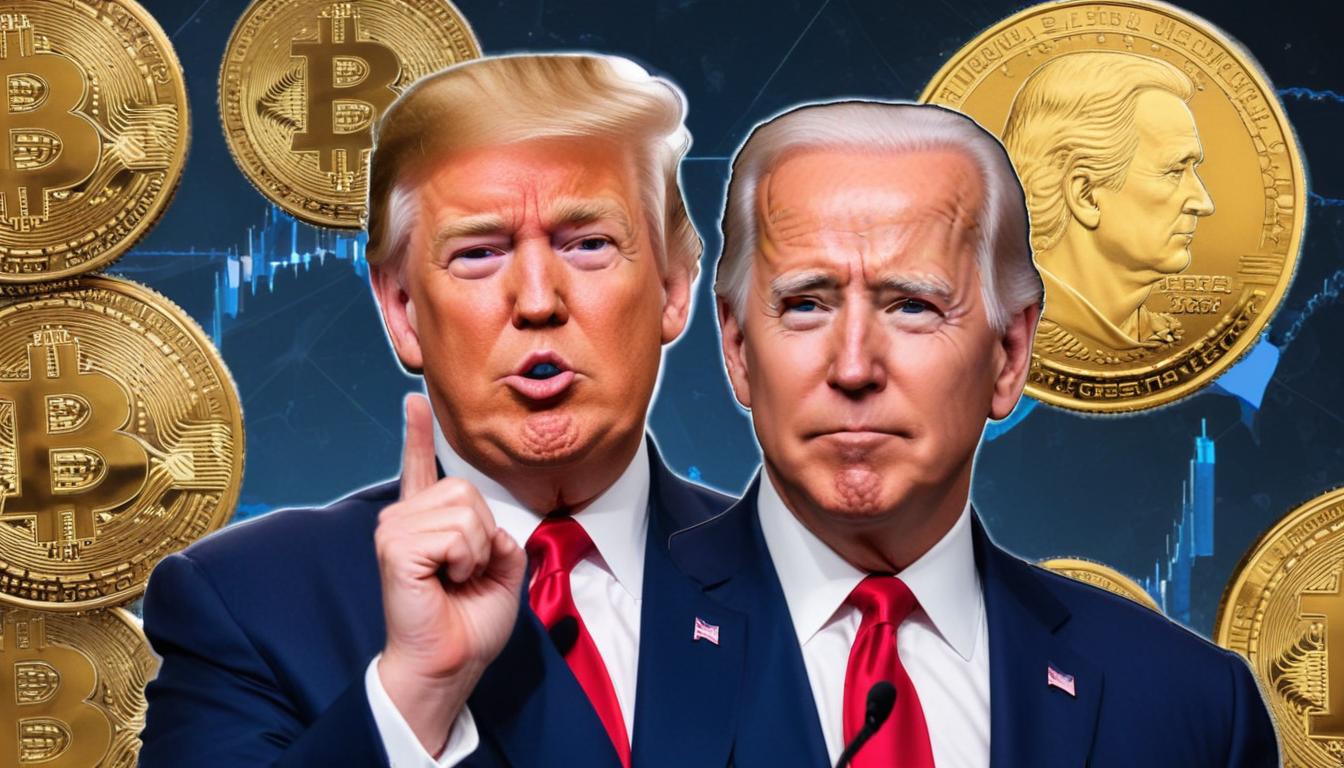
Extrapolating from Past Behavior: Predicting a Second Trump Term's Impact on Cryptocurrency Policy
Understanding the potential trajectory of cryptocurrency policy under a second Trump administration necessitates a thorough examination of his past pronouncements and actions. While his public statements on cryptocurrencies have been comparatively less frequent than on other policy areas, several key indicators provide invaluable insights into his likely approach. A critical observation is the apparent evolution of his perspective. Early responses might have been less informed, but subsequent events, including the rise of the $TRUMP meme coin and his family's involvement in crypto-related ventures, strongly suggest a growing comprehension and engagement with the cryptocurrency space. This evolution cannot be ignored when forecasting his future policies.
Trump's Early Crypto Attitudes: A Cautious, Observational Phase
Initially, Trump's public pronouncements on cryptocurrencies were sparse, lacking the detailed policy proposals characteristic of his stances on other policy issues. This relative silence is open to several interpretations. It may reflect a lack of in-depth understanding of blockchain technology at the time, a deliberate strategy to avoid committing to specific positions before fully grasping the implications, or perhaps a genuine lack of initial interest in the sector's regulatory complexities. However, the absence of overt hostility toward the industry subtly hints at a potential openness to exploration and future accommodation.
The absence of strong condemnation, especially considering his often forceful rhetoric on other topics, is significant. It contrasts sharply with the more overtly critical stances adopted by some other political figures. This subtle yet important difference suggests a willingness to engage with the industry on its own merits, rather than dismissing it outright based on ideological or uninformed preconceptions. This initial cautious approach should not be interpreted as disinterest, but rather as a period of observation and assessment before forming a comprehensive policy.
The Emergence of Engagement: From Silent Observation to Active Participation
The subsequent surge in cryptocurrency prominence, coupled with the launch of the $TRUMP meme coin, marks a distinct shift in his engagement with the crypto space. The $TRUMP coin's success, despite the mixed reactions within the crypto community, undeniably demonstrates the potential for significant political capital within the sector. This personal financial involvement, arguably more impactful than mere public statements, adds a new, substantial layer to his potential approach towards regulatory policy. The very existence of the coin signifies a leap from passive observation to active participation and investment in the crypto market.
This personal stake in the cryptocurrency market significantly alters the risk-reward calculus. While previous statements might have reflected a lack of information or a strategic avoidance of a firm position, the $TRUMP coin's emergence indicates a direct and personal understanding of the industry's potential. This new understanding is likely to inform his future policy decisions, potentially leading to policies favorable to the crypto market, both directly and indirectly. It's a dramatic shift from a position of detachment to one of active involvement.
Analyzing the $TRUMP Coin Phenomenon: A Pivotal Turning Point?
The $TRUMP coin's brief, yet notable, surge to a market capitalization of $15 billion (albeit temporary) represents a landmark event. While the coin's legitimacy continues to be debated, its existence is undeniable and powerfully demonstrates a comprehension of the potential power of cryptocurrencies. This event suggests a significant transition in Trump's perception of crypto, shifting from passive observation to active participation and acknowledgment of its considerable economic implications. This level of involvement strongly suggests future policy proposals likely to support the growth of the cryptocurrency market, potentially benefiting his personal financial interests.
Beyond the financial aspect, the $TRUMP coin highlights the power of meme coins and the broader influence of social media in the crypto world. Understanding this dynamic is crucial for predicting future regulatory approaches. A second Trump term might involve policies designed to both capitalize on and regulate this unique aspect of the crypto market. This is a significant departure from the traditional regulatory approaches, indicating a more forward-looking, technologically savvy understanding of the space.
Contrasting Approaches: The Biden Administration and a Potential Catalyst for Change
The Biden administration's relatively stricter and more critical approach to the crypto industry provides a stark contrast to the potential direction under a second Trump term. The Biden administration's intensified enforcement actions— exceeding 100 actions targeting prominent firms—and its restrictions on banking access have created a challenging atmosphere for crypto businesses. This contrast underscores the potential for a significant regulatory shift should Trump return to power. A Trump administration could effectively position itself as more supportive of industry growth, contrasting sharply with the perceived heavier hand of the current administration. This strategic positioning could prove highly effective in garnering support from the crypto community and potentially influencing voter behavior.
This comparative analysis is key to understanding the potential impact of a change in administration. By highlighting the perceived differences in approach, a second Trump term could leverage this contrast to its advantage. The key is not simply to be less restrictive, but to create a more positive and supportive regulatory environment, potentially attracting investment and driving innovation.
Extrapolating from Observed Trends: Potential Policy Directions
Based on the available evidence, several potential policy directions can be extrapolated:
-
Regulatory Clarity and Streamlining: A renewed focus on regulatory clarity and simplification is highly probable. This might involve efforts to clarify existing regulations, establish more specific guidelines for digital assets, and create a more predictable legal framework for crypto businesses. The potential repeal or amendment of regulations hindering banking access for crypto firms is a strong possibility, aiming to foster a more inclusive financial environment.
-
Promoting Crypto Innovation and Collaboration: The establishment of a crypto advisory council, if implemented, suggests an intention to cultivate a collaborative relationship between the government and the cryptocurrency industry. This indicates a potential willingness to actively support crypto innovation by promoting open communication channels and incorporating industry feedback into policy decisions. This collaborative approach contrasts significantly with a more adversarial or solely top-down regulatory approach.
-
Strategic Use of Seized Crypto Assets: The proposed creation of a national Bitcoin reserve utilizing seized crypto assets, while controversial, reflects a potential willingness to leverage cryptocurrencies for strategic national financial advantage. This forward-thinking approach could position the United States as a leader in utilizing cryptocurrencies for strategic national purposes, attracting global attention and potentially influencing international cryptocurrency policy.
-
Easing Banking Restrictions for Digital Assets: The potential easing of banking restrictions on digital assets would represent a transformative policy shift. This could unlock significant opportunities for market participation and facilitate the integration of cryptocurrencies into mainstream financial systems, significantly reducing barriers to entry for businesses and consumers alike.
-
Re-evaluation of Existing Legal Cases: A potential re-evaluation of existing legal proceedings against crypto firms, particularly those without substantiated allegations of fraud, reflects a possible softening of the regulatory stance. This could foster a more lenient environment for the industry, potentially restoring market confidence and encouraging further innovation.
Conclusion: A Potentially Transformative Approach to Cryptocurrency Policy
Based on an extrapolation of Trump's past behavior and the observable shifts in his engagement with the cryptocurrency industry, a second Trump term could bring significant changes to the regulatory landscape. The potential emphasis on regulatory clarity, support for innovation, strategic utilization of seized assets, and a more lenient approach to existing legal cases all suggest a transformative approach to cryptocurrency policy. The clear contrast with the Biden administration's approach further underscores the potential magnitude of these changes and their implications for the global cryptocurrency market. The focus on national prioritization and integrating industry perspectives into policy-making promises a different future for the crypto ecosystem under a second Trump presidency. The potential implications are significant and warrant careful consideration by investors, businesses, and policymakers alike. While specific policy proposals during the campaign will be crucial in refining these predictions, the overall trend towards a more supportive regulatory environment is apparent.
Potential Policy Areas: A Second Trump Term and Cryptocurrency
The prospect of a second Trump presidency introduces a compelling narrative of uncertainty and potential upheaval within the cryptocurrency landscape. His past pronouncements, coupled with the burgeoning presence of meme coins like $TRUMP, paint a picture starkly contrasting with the Biden administration's approach. This divergence promises significant shifts, potentially reshaping regulatory frameworks, international collaborations, and the very fabric of the crypto ecosystem. Let's delve into the key areas poised for transformation.
Regulatory Reform: A Paradigm Shift Towards Innovation?
One of the most impactful potential shifts lies in regulatory reform. While Trump's past statements on cryptocurrencies have been relatively sparse, they hint at a preference for streamlined regulations that foster innovation rather than stifle it. This stands in marked contrast to the Biden administration's stricter enforcement actions and the challenges faced by crypto firms in accessing traditional banking services – a phenomenon commonly known as 'de-banking'.
A Trump administration might prioritize the following:
-
Targeted Regulatory Clarity: Instead of broad, sweeping regulations that can inadvertently harm innovation, a Trump administration might focus on targeted clarity. This entails clarifying the regulatory status of different crypto assets, providing definitive guidelines for stablecoins (especially crucial given their increasing role in the financial system), and establishing a robust legal framework for decentralized finance (DeFi) protocols. This nuanced approach contrasts sharply with the current administration's more expansive, potentially overreaching regulatory net.
-
Streamlining Compliance Processes: The current compliance landscape for cryptocurrency businesses is often cumbersome and complex. A Trump administration might prioritize streamlining these processes, reducing bureaucratic hurdles, and creating a more efficient regulatory environment. This could involve establishing a dedicated agency or task force focused solely on crypto regulation. Such a dedicated body would possess the expertise to make quicker, better-informed decisions, thus fostering a more agile and responsive regulatory system.
-
Promoting Responsible Innovation: Rather than hindering innovation with overly restrictive regulations, a Trump administration might opt for a more proactive approach. This could involve creating regulatory sandboxes, allowing businesses to test new technologies within a controlled environment while adhering to specific guidelines. This collaborative approach would foster a healthy dialogue between regulators and industry stakeholders, encouraging responsible innovation while mitigating potential risks. The focus would shift from a punitive to a supportive regulatory framework.
-
Addressing the De-banking Crisis: The de-banking crisis, where traditional banks are reluctant to service crypto businesses, poses a significant challenge to the industry's growth. A Trump administration could implement policies specifically designed to encourage bank engagement with the crypto sector. These policies might include incentives for banks to provide services to crypto businesses or adjustments to existing banking regulations to accommodate the unique aspects of the crypto industry. The goal here would be to remove these significant barriers to entry and facilitate the seamless integration of cryptocurrencies into the mainstream financial system.
Taxation: Lower Taxes, Increased Investment?
Taxation is another critical area where a second Trump term could bring about significant changes. While specifics are naturally uncertain, a more favorable tax regime for cryptocurrency transactions and investments is a realistic possibility. This could manifest in several ways:
-
Clarifying the Tax Treatment of Crypto Assets: The current tax landscape surrounding cryptocurrencies is often ambiguous and complex. This ambiguity often leads to compliance challenges and uncertainty for individuals and businesses alike. A Trump administration could work towards clarifying the tax treatment of different crypto assets, creating a system that is both more predictable and fairer for everyone involved. This increased clarity would significantly reduce compliance burdens and encourage broader participation in the crypto market.
-
Reduced Capital Gains Taxes: The possibility of lowering capital gains taxes on cryptocurrency investments is a key area to watch. Reducing these taxes would undoubtedly incentivize further investment, stimulating economic activity and potentially accelerating the growth of the crypto ecosystem. This would align with Trump's previously expressed broader economic policy of lowering taxes to encourage investment and growth.
-
Tax Incentives for Crypto Innovation: A Trump administration could introduce tax incentives specifically designed to encourage research and development in the cryptocurrency sector. Such incentives would attract greater investment into the sector, providing the fuel for innovation and technological advancements that would ultimately benefit the broader economy. This targeted approach would stimulate the development of new technologies and applications within the cryptocurrency industry.
International Cooperation: A Geopolitical Crypto Strategy?
Trump's 'America First' approach could potentially extend to international cryptocurrency policy. However, this doesn't preclude the possibility of strategic international cooperation, particularly in areas where mutual benefit can be achieved. This could involve:
-
Bilateral Agreements on Cryptocurrency Regulation: The establishment of bilateral agreements with other countries regarding cryptocurrency regulation is a plausible scenario. These agreements would foster interoperability, promoting a more harmonized global regulatory environment and reducing conflicts stemming from differing regulatory frameworks. This coordinated approach is crucial for the healthy growth of the global crypto market.
-
Collaboration on Anti-Money Laundering (AML) and Know Your Customer (KYC) Measures: Strengthened collaboration with international partners on AML/KYC measures is a key area where cooperation could significantly benefit all parties involved. This would be essential to address concerns about the potential use of cryptocurrencies for illicit activities. By promoting international collaboration in this critical area, trust can be fostered and the stability of the global crypto ecosystem enhanced.
-
Leveraging Crypto for Strategic National Interests: The idea of a national Bitcoin reserve, potentially utilizing seized crypto assets, is a controversial yet potentially impactful policy. This forward-thinking strategy, while unconventional, could position the US as a global leader in this nascent sector, leveraging crypto assets for strategic financial advantage. The strategic use of crypto assets could provide new avenues for international influence and financial maneuvering.
Conclusion: Navigating the Uncertain Future of Crypto Under a Second Trump Term
Predicting the precise policies a second Trump administration would implement is inherently challenging. However, by analyzing his past actions and pronouncements, along with the prevailing trends in the cryptocurrency market, we can identify key areas ripe for significant shifts. The potential for increased regulatory clarity, a more favorable tax landscape, and strategic international collaborations presents both considerable opportunities and potential challenges for the crypto industry. Understanding these potential shifts is crucial for investors, businesses, and policymakers alike. This level of uncertainty underscores the vital importance of continuous monitoring, adapting strategies, and staying informed about the rapidly evolving landscape. The stage is indeed set for a period of transformative change within the cryptocurrency sector. The next chapter in the crypto narrative under a second Trump administration is poised to be as captivating as it is unpredictable.
Navigating the Crypto Landscape: A Second Trump Term and its Market Implications
The potential repercussions of a second Trump presidency on the cryptocurrency market are multifaceted and require a nuanced understanding of the interplay between hypothetical policy shifts and existing market dynamics. Predicting the future with absolute certainty is, of course, impossible. However, by meticulously analyzing past behaviors and publicly stated intentions, we can construct a framework for evaluating the likely consequences. This analysis will focus on several key areas crucial for informed market participation.
Regulatory Uncertainty: A Double-Edged Sword for Crypto
One of the most significant short-term impacts of a second Trump administration would likely be increased regulatory uncertainty. While a generally pro-crypto stance might be anticipated, the specifics remain elusive. This ambiguity could trigger considerable market volatility as investors and businesses react to the unfolding regulatory landscape. Initial responses might involve heightened caution, potentially leading to price fluctuations depending on the perceived pro- or anti-crypto slant of policy announcements. Rapid shifts in regulatory direction could result in short-term price swings – both upward and downward – until more concrete policy details materialize.
However, the long-term potential for greater regulatory clarity could ultimately stabilize the market. A clear and consistent regulatory framework, even one that leans towards a pro-business approach, could significantly boost investor confidence and attract substantial institutional capital. This, in turn, would likely benefit the broader cryptocurrency market, fostering innovation and accelerating growth. Successfully navigating this initial period of uncertainty would be critical for the overall health and maturation of the crypto ecosystem. Consider the experience of the Securities and Exchange Commission (SEC) under previous administrations; the clarity (or lack thereof) regarding crypto regulation directly impacted market sentiment and investment flows. A similar pattern could unfold with the next administration, highlighting the crucial role of clear, well-defined policies.
Institutional Investment: A Tipping Point?
The current climate, characterized by stricter regulatory scrutiny and enforcement actions, has undeniably dampened institutional investor confidence. A more favorable regulatory environment, as potentially offered by a second Trump administration, could dramatically shift this sentiment. The prospect of streamlined regulations, clearer tax guidelines, and reduced barriers to entry for financial institutions could incentivize significantly increased investment from major players. This influx of institutional capital could inject much-needed liquidity into the market, potentially driving up prices across the board. Moreover, the increased participation of established firms would undoubtedly enhance the legitimacy and stability of the cryptocurrency ecosystem.
Conversely, if a second Trump administration's policies prove unpredictable or inconsistent, it could have the opposite effect, deterring institutional investment and exacerbating market volatility. The long-term success of any such strategy depends not just on pronouncements but on consistent and reliable policy implementation. The track record of previous administrations underscores the importance of predictability and stability in attracting institutional investors. A lack of consistent policy could drive institutional investors toward more stable markets, slowing crypto adoption.
Stablecoins and DeFi: Navigating the Regulatory Tightrope
The potential regulatory changes under a second Trump administration could profoundly impact the stablecoin market and the rapidly expanding decentralized finance (DeFi) sector. A more lenient regulatory approach could accelerate the growth of both sectors, attracting further investment and driving innovation. This potential, however, comes with its own set of challenges. The rapid expansion of these sectors, without adequate regulatory oversight, could expose them to heightened risks, including systemic vulnerabilities.
The regulatory response to these sectors will be paramount for market stability. Clear guidelines, appropriate oversight, and a well-defined legal framework are crucial for realizing the opportunities presented by these transformative technologies while mitigating potential risks. A failure to address these regulatory challenges could have severe repercussions on the market, potentially leading to financial instability. The SEC's ongoing scrutiny of stablecoins, for instance, highlights the potential pitfalls of inadequate regulation in this space. A second Trump administration would need to address these concerns proactively to avoid a potential market crisis.
International Implications: Global Cooperation or Fragmentation?
A second Trump term would likely necessitate a reassessment of international cryptocurrency cooperation. Trump's ‘America First’ approach, while potentially beneficial for domestic innovation, might strain relationships with international partners on regulatory harmonization. The possibility of bilateral agreements remains, but their success hinges on Trump's willingness to prioritize cooperation over unilateral action. A lack of international consensus on crypto regulation could lead to market fragmentation, creating complexities for cross-border transactions and investments.
Conversely, successful international cooperation could foster a more interconnected and efficient global cryptocurrency ecosystem. The delicate balance between national interests and global cooperation will be a significant determinant of the success of any cryptocurrency policy implemented during a second Trump term. The strategic use of seized crypto assets, as previously suggested, further complicates the geopolitical landscape and underscores the need for careful consideration of international implications. This requires a sophisticated approach that balances domestic interests with the need for international collaboration to prevent market fragmentation.
The Human Element: Public Sentiment and Market Psychology
Beyond tangible policy shifts, the impact of a second Trump term on the cryptocurrency market will also be influenced by public perception. Trump's strong personality and polarizing political stance could significantly influence market psychology. Any shift in his pronouncements or actions could spark immediate market reactions, irrespective of the actual policy's substance. This inherent element of unpredictability in the market creates both opportunities and risks. Investors must account for the potential impact of emotional responses and shifts in public sentiment, which can independently influence market trends.
A careful evaluation of market psychology and public opinion, in addition to objective policy analyses, will be crucial for navigating the potential uncertainties of a second Trump administration. Understanding the psychological impact of his pronouncements, regardless of the actual content, is key to predicting and potentially profiting from market fluctuations.
Conclusion: Navigating Uncertainty and Capitalizing on Opportunity
A second Trump term promises significant shifts in the cryptocurrency landscape, presenting a blend of opportunities and challenges. While a more business-friendly approach is likely, the degree of regulatory clarity, the specific nature of policy changes, and the international implications remain uncertain. The market's reaction will significantly depend on the effective communication, consistency, and transparency of the administration’s policies.
Investors, businesses, and policymakers alike must carefully analyze the evolving landscape, adapt their strategies to the uncertainties ahead, and maintain a proactive approach to navigate the potential volatility inherent in this dynamic sector. The coming years promise a compelling and evolving narrative in the intersection of cryptocurrency and political power. Thorough due diligence, risk management, and a keen understanding of the political landscape will be paramount for success in this volatile but potentially lucrative market.
Predicting Crypto's Future: A Second Trump Term
The potential return of Donald Trump significantly impacts cryptocurrency policy. Analyzing his past actions and statements reveals a shift from cautious observation to active engagement with the crypto space.
Key Takeaways:
- A second Trump term might prioritize regulatory clarity and simplification, fostering innovation.
- Policies could promote collaboration between the government and crypto industry, potentially easing banking restrictions.
- The strategic use of seized crypto assets and a reevaluation of legal cases against crypto firms are also possible, significantly altering the regulatory landscape.
#Second Trump Term #Crypto Market Prediction #Crypto Politics #Trump Cryptocurrency Policy #Biden Crypto Policy #Crypto Regulation