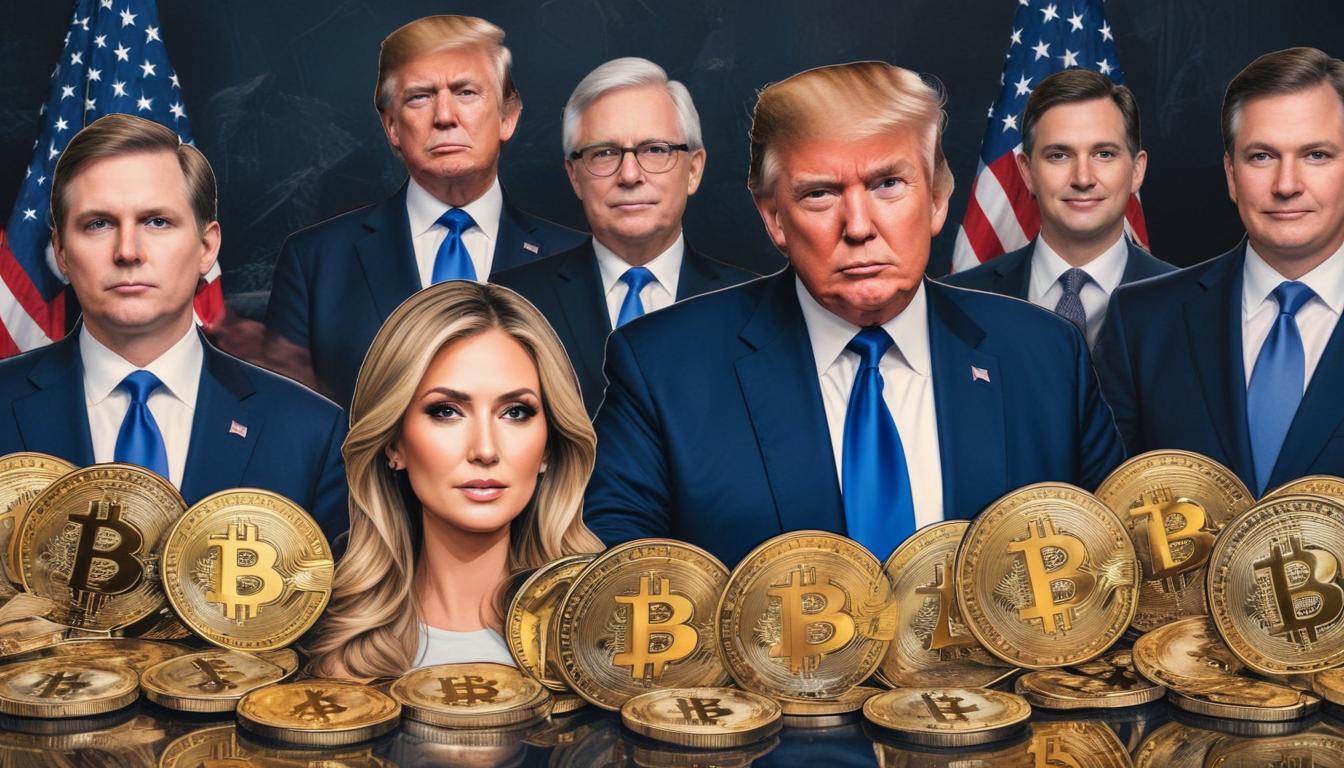
World Liberty Financial: Decentralization's Paradox – The Trump Family's Impact on DeFi
The decentralized finance (DeFi) landscape is a dynamic ecosystem, constantly evolving with new players and shifting paradigms. World Liberty Financial (WLFI), once touted as a beacon of decentralized financial services, aiming to disrupt traditional banking intermediaries, has recently undergone a dramatic transformation. The Trump family's acquisition of a controlling stake has sparked considerable debate, raising critical questions about the platform's future direction and its commitment to its core principles. This acquisition, finalized in January 2025, involved the creation of WLF Holdco LLC, a holding company through which the Trump family secured a 60% ownership share. This power shift resulted in a significant leadership restructuring, replacing original co-founders and solidifying the Trump family's influence over WLFI's operations.
The Trump Family's Acquisition: A Power Shift in DeFi
The Trump family's entry into the DeFi space was anything but subtle. Their acquisition of a controlling stake in WLFI signals a significant investment in cryptocurrency and blockchain technology. The resulting leadership changes replaced key figures in WLFI's original team with individuals aligned with the Trump family, instantly altering the platform's trajectory. This move brings both opportunities and significant challenges for the platform. While the influx of capital and increased visibility could potentially accelerate WLFI's growth, it directly contradicts the very ethos of decentralization that the platform initially championed.
Financial Implications: A Look at the Numbers and Potential Conflicts
This acquisition has massive financial implications. The Trump family now controls a significant portion of WLFI's potential profits. Their 60% ownership grants them 60% of operating profits upon the platform's full operationalization, plus a substantial 75% share of revenue generated from token sales. While precise financial details are not publicly available, the sheer magnitude of these percentages represents a considerable financial stake and raises important questions about transparency and potential conflicts of interest. The potential for preferential treatment and decision-making that prioritizes the Trump family's financial interests over the needs of the broader community is a significant concern within the DeFi community.
From Decentralization to Centralization: A Fundamental Shift?
The acquisition fundamentally challenges WLFI's original promise of decentralization. The platform's initial vision of a community-governed system utilizing the WLFI token is now threatened by the concentration of power in the hands of a single, politically influential entity. This centralized control raises significant concerns about governance, decision-making processes, and the overall trajectory of the platform. The potential for external influence and conflicts of interest casts a shadow over WLFI's future, particularly concerning its commitment to transparent and community-driven development.
The Ripple Effect: Impact on the DeFi Landscape and Regulatory Scrutiny
The Trump family's involvement in WLFI has far-reaching implications for the DeFi landscape. While their high profile could potentially attract more attention to the sector, the platform's move towards centralization raises serious concerns about manipulation and the erosion of trust in DeFi principles. The heightened scrutiny will be particularly focused on WLFI's governance structure, its decision-making processes, and the platform's commitment to transparency and fairness. This case could potentially set a precedent for future acquisitions within DeFi and influence the way investors view decentralization in practice. Furthermore, the regulatory scrutiny surrounding the acquisition is undeniable, given the Trump family's political background and the ongoing development of cryptocurrency regulations.
Navigating the Future: Governance, Challenges, and Uncertainties
The governance structure of WLFI is now at a critical juncture. The balance between the interests of the new owners and the original vision of a decentralized platform will be crucial for its long-term success. The community's trust in WLFI's commitment to its decentralized ideals will be tested, and the platform's actions in response to these challenges will shape its future trajectory. Navigating the complexities of regulatory compliance and maintaining its legitimacy will require exceptional transparency and a clear commitment to addressing any conflicts of interest that might arise. The future of WLFI hangs in the balance, dependent on how effectively it manages this transition and maintains its credibility in the DeFi space. The platform's story serves as a cautionary tale, highlighting the inherent tensions between the promise of decentralization and the realities of powerful stakeholders in the rapidly evolving crypto market. The intertwined interests of the Trump family and WLFI, coupled with the ever-evolving regulatory landscape, creates a unique and complex narrative that will continue to unfold, providing valuable insights into the future direction of DeFi.
American Bitcoin: Mining with Political Clout
The launch of American Bitcoin in March 2025, a Bitcoin mining venture spearheaded by Eric and Donald Trump Jr., marks a notable expansion of the Trump family's presence in the cryptocurrency sector. This partnership with Hut 8, a Canadian cryptocurrency infrastructure company, immediately placed the venture under scrutiny, sparking debates about the potential intersection of political influence and the inherent volatility of Bitcoin mining. The structure, ownership, and the Trump family's political background collectively shape a unique and potentially impactful entry into the Bitcoin mining arena.
A Strategic Partnership: Hut 8's Infrastructure Meets Trump's Brand
The decision by Eric and Donald Trump Jr. to collaborate with Hut 8, rather than establishing an independent mining operation, highlights their strategic approach. Hut 8, with its established infrastructure and expertise in Bitcoin mining, provides significant advantages, including mitigating the substantial technical and logistical challenges of establishing and operating a large-scale Bitcoin mining facility. Hut 8 provides the necessary technical expertise, operational framework, and potentially vital access to energy resources for profitable Bitcoin mining. The Trump family brings brand visibility and potentially a broader investor network. This strategic division of labor allows for rapid market entry and scalability, where Hut 8 handles the technical aspects, and the Trump family contributes capital and brand influence.
Ownership Structure and Financial Stakes: A Power Dynamic
American Bitcoin's ownership structure, where the Trump brothers hold a 20% stake and Hut 8 controls the remaining 80%, establishes a clear power dynamic. While Hut 8 retains the majority stake, the Trump family's significant minority ownership ensures their considerable influence over the venture's strategic direction and key decisions. The financial implications are significant for both parties. The Trump family's investment likely represents a substantial financial commitment, positioning them to benefit directly from the mining operation's profitability. For Hut 8, the association with the Trump family offers potential for increased brand recognition and expanded investor reach, contributing to the venture's overall success.
Political Influence: Navigating Regulatory Waters
The Trump family’s participation in American Bitcoin inevitably introduces a political dimension to the venture. Their high-profile political history brings both advantages and potential risks. The Trump name, regardless of personal opinions, can attract attention and capital, particularly from investors aligned with their political views. This same association, however, presents regulatory and reputational challenges. The cryptocurrency industry remains largely unregulated, creating opportunities for innovation but also exposing participants to potential legal scrutiny. Government policies and regulations surrounding Bitcoin mining and cryptocurrency use can significantly impact the profitability of the operation, making the Trump family’s potential political influence a critical factor in navigating this evolving regulatory environment.
Implications for the Bitcoin Mining Landscape: A New Player Emerges
American Bitcoin's entrance into the market has notable implications for the broader Bitcoin mining landscape. The venture adds a significant participant to a competitive sector, potentially influencing market share and the distribution of mining hash rate. The Trump family's financial resources and high profile can foster increased competition, driving other miners to innovate and optimize their operations. The actual impact hinges on factors such as American Bitcoin's mining profitability, regulatory changes, and the overall state of the cryptocurrency market. Competitors and industry analysts will closely monitor the venture's long-term success.
Broader Cryptocurrency Market Impact: Potential Ripple Effects
Beyond the immediate impact on Bitcoin mining, American Bitcoin's influence could extend to the broader cryptocurrency market. The Trump family's increased visibility in the space may attract more investment from retail and institutional investors, potentially increasing the overall market capitalization of cryptocurrencies. A prominent political family's association with a cryptocurrency venture can lend legitimacy to the industry, particularly for those hesitant to engage with what they perceive as a volatile asset class. This, in turn, could create a broader positive effect across the cryptocurrency ecosystem. However, any negative consequences from regulatory issues or market downturns could also be amplified due to the high-profile nature of the investment.
Challenges and Future Outlook: Balancing Risks and Rewards
Despite the potential upsides, American Bitcoin faces considerable challenges. Maintaining profitability in Bitcoin mining necessitates continuous optimization and adaptation to fluctuating energy prices, Bitcoin price volatility, and technological advancements in mining hardware. Navigating regulatory uncertainties and potential scrutiny from government bodies is also essential for the venture's long-term viability. The Trump family's political connections, while potentially advantageous, could also generate unwanted attention and controversy, requiring careful strategic planning and transparency to mitigate reputational risks. The long-term success of American Bitcoin will depend on the Trump family and Hut 8's ability to balance the potential benefits of their partnership with the inherent risks of operating in the competitive and rapidly evolving cryptocurrency industry.
The integration of American Bitcoin into the Trump family's crypto portfolio underscores a substantial commitment to the space. While the venture offers potentially significant financial rewards, it also introduces challenges related to regulations, competition, and market volatility. The long-term consequences for both the Bitcoin mining industry and the cryptocurrency landscape remain to be seen, but the Trump family's involvement promises to be a significant factor in shaping this future. The intersection of high-profile politics and the cryptocurrency market creates a dynamic environment that will likely continue to evolve in the coming years.
Controversy and Regulatory Scrutiny: Navigating the Crypto Landscape
The Trump family's entry into the cryptocurrency sector, highlighted by their controlling interest in World Liberty Financial (WLFI) and the launch of American Bitcoin, has generated significant debate. Their high-profile political history, combined with the evolving regulatory framework of cryptocurrencies, creates a complex mix of opportunities and challenges. This section will examine the ethical and legal considerations surrounding their ventures, focusing on potential conflicts of interest and the intense regulatory scrutiny they are likely to encounter.
Conflicts of Interest: A Looming Shadow
The Trump family's acquisition of a 60% stake in WLFI raises concerns about potential conflicts of interest. Originally envisioned as a decentralized finance (DeFi) platform, WLFI's governance is now heavily influenced by a family with a history of high-level political involvement. This concentration of power raises the possibility of favoritism, preferential treatment for specific investors or projects, and decisions that benefit the Trump family rather than WLFI users or the broader DeFi ecosystem. The lack of transparency regarding the financial details of the acquisition amplifies these concerns, prompting questions about the true extent of the family's financial gains and the fairness of the arrangement. Their 75% share of token sales revenue further intensifies these concerns, particularly regarding resource allocation and project development. The reported $400 million in funds raised, with only 5% allocated to platform development after founder payments, highlights these potential issues.
Centralized Control vs. Decentralized Principles: A Fundamental Contradiction?
WLFI's initial promise of decentralization clashes with the Trump family's centralized control. The concept of a community-governed platform, facilitated by the WLFI governance token, is undermined by the consolidation of power. This shift raises questions about the platform's future direction and its commitment to the core principles of decentralization that underpin the DeFi movement. The replacement of two co-founders with Trump family-linked entities further underscores the potential deviation from its original decentralized goals. This centralization has sparked anxieties within the cryptocurrency community, with many perceiving it as a betrayal of the trust placed in a project promising transparency and community governance.
Regulatory Scrutiny: Navigating a Murky Legal Landscape
The Trump family's involvement in both WLFI and American Bitcoin places these ventures under intense regulatory scrutiny. The cryptocurrency industry is still evolving globally, with varying laws and regulations across jurisdictions. The US, in particular, is grappling with effective cryptocurrency regulation, making the Trump family's high-profile ventures prime targets for investigation. Concerns about potential violations of securities laws, anti-money laundering (AML) regulations, and other relevant legislation are heightened by their political connections. The lack of transparency surrounding the financial details of these ventures exacerbates these concerns, making it difficult for regulators to assess the legitimacy and compliance of the operations. The potential for political influence to shape regulatory decisions further complicates the situation and casts doubt on the family's crypto ventures.
American Bitcoin: A Different Set of Challenges
American Bitcoin, while seemingly a more straightforward Bitcoin mining operation, also faces unique regulatory challenges. The partnership with Hut 8, while offering expertise, doesn't shield the venture from scrutiny. The Trump family's involvement brings their political influence into the equation, raising questions about potential advantages in securing energy contracts, navigating regulations, or accessing funding. The mining industry itself faces increasing regulatory pressures concerning environmental impact, energy consumption, and potential market manipulation. The Trump family's high profile only increases the attention on these aspects. Transparency is equally critical, especially regarding energy sources used for mining and the venture's overall environmental footprint.
The Future of the Trump Family's Crypto Empire: Uncertain Paths
The Trump family's crypto ventures are undeniably high-risk, high-reward endeavors. Their influence and brand recognition can attract significant investment and attention, but the potential for controversies and regulatory setbacks is equally significant. The success of these projects hinges on their ability to navigate the complex regulatory landscape, maintain transparency in their operations, and address concerns about conflicts of interest and centralized control in a space that values decentralization. The long-term sustainability of these ventures will depend heavily on their ability to foster trust within a community increasingly wary of centralized power and opaque operations. Whether their influence will ultimately be a force for innovation and adoption or a catalyst for increased skepticism within the crypto space remains to be seen. The ongoing scrutiny and evolving regulatory landscape will undoubtedly shape the future trajectory of their crypto empire. For deeper insights, explore our analysis of WLF's strategic crypto reserve and its market influence.
The Trump Family's Crypto Empire: Decentralization's Paradox and Regulatory Scrutiny
The Trump family's foray into cryptocurrency, through World Liberty Financial (WLFI) and American Bitcoin, presents a fascinating case study of decentralization versus centralized control within the DeFi space. This article analyzes the complexities, risks, and potential impacts of their involvement.
Key Takeaways:
- WLFI's acquisition by the Trump family fundamentally challenges its initial decentralized vision, raising concerns about governance and potential conflicts of interest. The concentration of power contradicts the platform's core principles.
- American Bitcoin, a joint venture with Hut 8, introduces a new player to the Bitcoin mining landscape, bringing both financial resources and political influence, yet faces regulatory hurdles.
- Both ventures face intense regulatory scrutiny due to the Trump family's high profile, necessitating transparency to address concerns about potential conflicts of interest, manipulation, and compliance with evolving crypto regulations.
#Bitcoin Mining #DeFi Decentralization #political influence crypto #World Liberty Financial (WLFI) #Cryptocurrency Controversy #Trump Family Crypto #Crypto Regulation