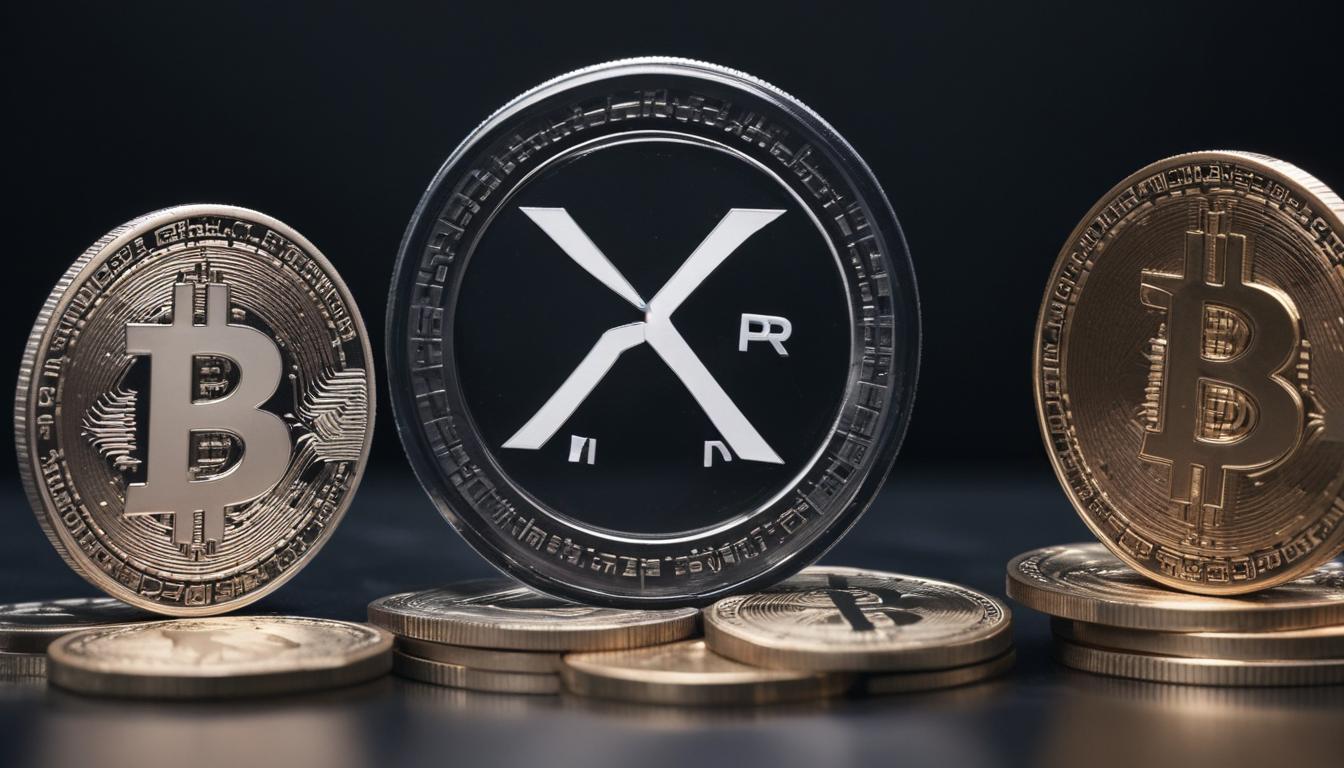
XRP: Navigating Regulatory Hurdles and Institutional Adoption
Ripple's XRP has been making waves, experiencing a recent surge in trading volume on platforms like Coinbase. This renewed interest signals a potential shift in market sentiment, but the cryptocurrency's journey is far from over. XRP continues to navigate a complex regulatory landscape while simultaneously striving for broader institutional adoption. Let's dive deeper into the factors influencing XRP's trajectory and explore its potential within the evolving financial landscape.
Riding the Waves of Volatility: Understanding XRP's Price Action
XRP's price, like many cryptocurrencies, is known for its volatility. While the recent surge in trading volume is encouraging, it's crucial to remember that past performance is not indicative of future results. We've seen XRP test higher resistance levels, only to retrace and consolidate. This price action highlights the inherent risks associated with cryptocurrency investments. Savvy investors are closely monitoring key support and resistance levels, recognizing that a break above resistance could signal further upward momentum, while a failure to hold support could lead to a price decline. Understanding these technical indicators is essential for navigating the often turbulent waters of the XRP market.
The Regulatory Tightrope: Balancing Innovation and Compliance
One of the most significant challenges facing XRP is the ongoing regulatory scrutiny. The SEC lawsuit has cast a long shadow over the cryptocurrency, creating uncertainty and impacting its market performance. Successfully navigating these legal complexities is paramount for Ripple to unlock XRP's full potential. Clarity on XRP's regulatory status will be a major catalyst for broader adoption and could significantly influence its long-term trajectory. Investors and industry observers are closely watching the developments in this legal battle, recognizing its profound implications for the future of XRP.
Forging Strategic Alliances: Institutional Adoption and Real-World Use Cases
Despite the regulatory headwinds, Ripple continues to forge strategic partnerships with financial institutions worldwide. These collaborations are crucial for demonstrating XRP's real-world utility in cross-border payments. By partnering with established financial players, Ripple aims to showcase XRP's ability to streamline transactions, reduce costs, and enhance efficiency in the global payments landscape. These partnerships are not just about adoption; they're about demonstrating tangible value and building a robust ecosystem around XRP.
XRP's Value Proposition: Efficiency in Cross-Border Payments
XRP's core strength lies in its ability to facilitate faster and more cost-effective cross-border payments. Compared to traditional systems, which can be slow and expensive, XRP offers a compelling alternative. Imagine sending money across borders in seconds, with significantly lower fees than traditional wire transfers. This efficiency is a key driver of interest from both institutional investors and payment providers seeking to optimize their cross-border operations. In a world increasingly interconnected by global commerce, the demand for efficient and affordable cross-border payment solutions is only expected to grow, positioning XRP as a potential leader in this evolving space.
A Comparative Landscape: XRP in the Context of Emerging Solutions
The payments space is buzzing with innovation, and XRP isn't the only player vying for a piece of the pie. Other solutions, like Hedera (HBAR) and Remittix, are also making strides in the digital finance arena. HBAR, with its enterprise-grade blockchain technology, focuses on speed and scalability for a wide range of applications, while Remittix emphasizes financial inclusion by seamlessly integrating crypto and fiat currencies. While these platforms offer unique approaches, they underscore the dynamic nature of the payments industry and the ongoing quest for innovative solutions. Understanding the competitive landscape is crucial for investors seeking to make informed decisions in this rapidly evolving market.
The Road Ahead: Opportunities and Challenges for XRP
XRP's journey is marked by both significant opportunities and formidable challenges. The regulatory landscape remains a key area of concern, and the outcome of the SEC lawsuit will undoubtedly play a crucial role in shaping XRP's future. However, the continued development of strategic partnerships and the growing demand for efficient cross-border payment solutions offer reasons for optimism. The ability of XRP to navigate these complexities and deliver on its promises will determine its long-term success. For investors, understanding the risks and potential rewards associated with XRP is crucial for making informed decisions in this dynamic and often unpredictable market.
Investing in XRP: A Calculated Risk
Investing in XRP, like any cryptocurrency, requires careful consideration and a thorough understanding of the market. While the potential for high returns exists, the volatility of the market and the ongoing regulatory uncertainties underscore the importance of a cautious and informed approach. Diversification, staying informed about market trends, and conducting thorough research are crucial for navigating the complexities of the XRP market and making investment decisions aligned with your risk tolerance and financial goals. Remember, the cryptocurrency market is constantly evolving, and staying ahead of the curve is essential for success. This section provides valuable insights into the factors influencing XRP's trajectory, empowering investors to make informed decisions and navigate the exciting yet challenging world of cryptocurrency investing.## HBAR: Hedera Hashgraph's Enterprise-Grade Blockchain and Market Positioning
Hedera Hashgraph (HBAR) stands out in the vibrant, yet often volatile, cryptocurrency market. Unlike many projects laser-focused on retail speculation, HBAR has strategically positioned itself as the enterprise-grade solution for a decentralized future. This deliberate focus, coupled with its innovative hashgraph technology, is reshaping how businesses approach decentralized applications (dApps) and is placing HBAR in a unique competitive landscape alongside projects like XRP and Remittix. This deep dive will explore HBAR’s technological prowess, diverse applications, market positioning, and competitive advantages, offering a comprehensive analysis for investors and technology enthusiasts alike.
Unpacking Hedera Hashgraph: Speed, Security, and Scalability Redefined
At the heart of HBAR’s appeal lies its underlying technology: the hashgraph consensus algorithm. This innovative approach departs significantly from traditional blockchain architectures, offering substantial improvements in speed, security, and scalability. Let's delve into each of these key advantages:
-
Unmatched Speed: HBAR boasts significantly faster transaction speeds and lower latency than many established blockchains. This is not simply a theoretical advantage; it's a practical benefit crucial for high-volume applications. In the world of finance, where every millisecond counts, HBAR’s speed translates directly into efficiency and reduced costs. Imagine processing millions of transactions per second without sacrificing security – that's the power of hashgraph.
-
Ironclad Security: The hashgraph algorithm is inherently resistant to various attack vectors, a significant concern for any blockchain-based system. Unlike Proof-of-Work or Proof-of-Stake systems that are susceptible to 51% attacks or other vulnerabilities, hashgraph’s aBFT (asynchronous Byzantine Fault Tolerance) mechanism ensures a high degree of security, making it an attractive option for enterprise-level applications where data integrity is paramount. This enhanced security fosters trust and reliability, crucial elements for widespread adoption.
-
Future-Proof Scalability: HBAR's scalability is another significant advantage. Unlike many blockchains that struggle to handle increasing transaction volumes, HBAR's architecture allows for seamless scaling without compromising performance. This scalability is not just about handling current demands; it's about anticipating future growth and ensuring that the network can adapt to the increasing demands of a rapidly evolving digital economy. This future-proof scalability is a testament to Hedera's long-term vision.
The combination of speed, security, and scalability makes HBAR a compelling alternative for businesses seeking to leverage blockchain technology without the limitations of traditional blockchain architectures. This is not just about faster transactions; it's about building a robust, reliable, and secure foundation for the future of decentralized applications.
Beyond Payments: HBAR's Expanding Ecosystem of Enterprise Applications
While HBAR’s potential in the payments sector is undoubtedly significant, its applications extend far beyond simple transactions. Hedera's versatile platform empowers the development of a wide range of dApps across numerous sectors. Let’s consider some key examples:
-
Supply Chain Management: HBAR's transparency and immutability offer enhanced traceability and accountability in supply chains, combating counterfeiting and improving efficiency. This is achieved through the creation of tamper-proof records that can be easily accessed and verified by all stakeholders.
-
Healthcare: In the healthcare sector, HBAR facilitates secure and efficient data sharing, improving patient care and enabling collaborative medical research. Its secure and reliable architecture ensures patient data remains private and protected, while simultaneously streamlining the flow of information between healthcare providers.
-
Digital Identity: HBAR's decentralized identity management capabilities provide a secure and verifiable way to manage digital credentials, enhancing security and streamlining processes in various sectors. This approach fosters trust and transparency in a world increasingly reliant on digital identities.
-
Gaming and NFTs: The speed and scalability of the Hedera network are ideally suited for gaming applications and Non-Fungible Tokens (NFTs), offering a more efficient and user-friendly experience for developers and players alike. This creates a new frontier for engaging and immersive digital experiences.
These diverse applications showcase HBAR's ability to disrupt multiple industries beyond finance, illustrating its potential as a foundational technology for a truly decentralized future. The platform’s versatility is a key differentiator, positioning it as a versatile solution for a wide array of real-world problems.
Navigating the Market: HBAR's Unique Positioning and Growth Potential
HBAR occupies a unique niche in the cryptocurrency market. Unlike projects primarily focused on retail speculation, HBAR targets enterprise clients, building strategic partnerships with established businesses. This focused approach positions HBAR for long-term sustainable growth, creating a solid foundation of real-world applications and institutional support. While the promise is significant, the cryptocurrency market is inherently volatile, and HBAR is not immune to market fluctuations.
Understanding HBAR’s price action requires considering both fundamental and technical factors. Fundamental analysis considers factors like the platform's adoption rate, technological advancements, and partnerships, while technical analysis focuses on price charts and indicators to predict future price movements. A comprehensive approach, combining both forms of analysis, is crucial for informed decision-making. Key resistance and support levels, commonly identified through technical analysis, can help investors gauge potential price fluctuations and manage risk appropriately.
Competitive Landscape: HBAR vs. XRP and Remittix
HBAR's enterprise-focused strategy contrasts with competitors like XRP and Remittix, each with their unique approaches to disrupting the payments landscape. XRP, with its focus on cross-border transactions for financial institutions, faces significant regulatory hurdles. Remittix, on the other hand, bridges the crypto-fiat divide, focusing on streamlining remittances, particularly for the underserved.
HBAR's broader application and focus on enterprise solutions differentiates it. While XRP and Remittix target specific niches within the payments ecosystem, HBAR offers a more generalized platform for diverse decentralized applications. This diversification strategy mitigates the risk of over-reliance on a single application and positions HBAR as a foundational technology for a wider range of use cases.
The success of each platform depends on its ability to execute its vision, attract developers, secure partnerships, and navigate evolving regulatory landscapes. HBAR's enterprise focus, coupled with its technologically superior hashgraph algorithm, creates a compelling long-term value proposition, potentially mitigating risks associated with the inherent volatility of the cryptocurrency market.
Conclusion: HBAR – A Foundation for Enterprise-Grade Decentralization
HBAR’s focus on enterprise-grade solutions, combined with its technologically advanced hashgraph consensus algorithm, sets it apart in the cryptocurrency market. While its potential in payments is undeniable, its broader applicability positions it as a foundational technology for a decentralized future across various industries. By focusing on building strategic partnerships and delivering real-world solutions, HBAR is laying the groundwork for long-term sustainable growth. However, it's crucial to remember that investing in cryptocurrencies involves inherent risks. A thorough understanding of the underlying technology, market dynamics, and competitive landscape is essential for informed decision-making. In the dynamic world of decentralized finance, HBAR's enterprise-grade foundation offers a compelling vision, built on speed, security, and scalability – a vision that is shaping the future of blockchain technology.## Remittix: Revolutionizing Global Payments with Crypto-Fiat Integration
The global remittance market is ripe for disruption. Traditional services, often burdened by slow transaction speeds and exorbitant fees, leave millions underserved. Enter Remittix, a platform poised to revolutionize cross-border payments by seamlessly bridging the gap between crypto and fiat currencies. This isn't just about offering a faster, cheaper alternative to Western Union; it's about building a more inclusive and accessible global financial system.
A Unified Platform: Simplifying Global Transactions
Remittix's core innovation lies in its unified platform. Imagine a single interface where you can seamlessly manage both your crypto holdings and traditional fiat currencies. This eliminates the complexities and high costs often associated with juggling multiple platforms and exchanges, streamlining the entire process of sending and receiving money across borders.
This dual functionality empowers users to leverage the best of both worlds. Need the speed and lower transaction costs of crypto? Remittix has you covered. Prefer the stability and widespread acceptance of fiat? No problem. This flexibility is particularly valuable in regions with limited access to traditional banking, where crypto can open doors to vital financial services. Think of those unbanked populations finally gaining access to global markets – that's the potential of Remittix.
Empowering Financial Inclusion: Reaching the Underserved
Remittix's commitment to supporting a broad range of cryptocurrencies and fiat currencies is more than just a technical feat; it's a commitment to financial inclusion. By enabling users to transact in their preferred currencies, Remittix opens the doors to global financial participation for a wider audience. This is particularly impactful for communities heavily reliant on remittances, where every dollar saved in fees can make a tangible difference.
Consider a migrant worker sending money back home to their family. Traditional remittance services can take days and eat into their hard-earned income. With Remittix, that same transaction could be completed in minutes, with significantly lower fees. That's the power of inclusive financial technology. It's not just about moving money; it's about empowering individuals and families.
Disrupting the Status Quo: Challenging Traditional Remittance Services
The traditional remittance industry, dominated by giants like Western Union, has long been criticized for its high fees and slow processing times. Remittix directly challenges this established model, offering a transparent, cost-effective, and significantly faster alternative. By leveraging blockchain technology, Remittix streamlines the conversion process between crypto and fiat, cutting out intermediaries and reducing the friction associated with cross-border payments.
This isn't just about competing; it's about disrupting the status quo. It's about putting users back in control of their finances, giving them the tools to send and receive money quickly and affordably, regardless of location. This disruptive potential positions Remittix not just as a competitor, but as a catalyst for change within the global financial ecosystem.
Beyond Remittances: Expanding the Scope of Crypto-Fiat Integration
While remittances are a core focus, Remittix's potential extends far beyond. Think about international trade, where businesses grapple with complex and costly cross-border payments. Remittix can streamline these transactions, reducing friction and increasing efficiency. Imagine the potential for small and medium-sized enterprises (SMEs) to participate in the global marketplace with the same ease as large corporations.
Consider the possibilities in online payments. Remittix can offer a more secure and efficient way to process transactions, reducing costs for merchants and consumers alike. And in the realm of microfinancing, Remittix can empower individuals in developing countries with access to small loans, fostering economic growth and opportunity. The potential applications are vast and continue to expand as the crypto and fiat worlds converge.
The Future of Remittix: Driving Innovation in Global Payments
As cryptocurrency adoption continues to grow, bridging the gap between crypto and fiat becomes increasingly critical. Remittix stands at the forefront of this evolution, poised to play a vital role in shaping the future of global finance. Its commitment to accessibility, affordability, and efficiency positions it as a compelling alternative to traditional financial services, empowering individuals and businesses around the world.
This isn't just a technological advancement; it's a societal shift. Remittix is driving innovation, not just in the realm of payments, but in the way we think about access to financial services. It's about building a more inclusive, transparent, and dynamic future for global finance, where everyone has the opportunity to participate and thrive. This is the promise of Remittix, a platform that's not just changing the way we send and receive money, but changing the world.## Comparative Analysis: Remittix, XRP, and HBAR – A Deep Dive into Disruptive Payment Solutions
The global payments landscape is undergoing a seismic shift, driven by the relentless march of cryptocurrency and blockchain technology. Three compelling contenders – Remittix, XRP, and HBAR – are vying for dominance, each offering a unique approach to revolutionizing how we move money across borders and beyond. This in-depth analysis will dissect their technological foundations, market penetration strategies, regulatory hurdles, and long-term growth prospects, providing a comprehensive framework for understanding their potential to reshape the future of finance.
Technological Underpinnings: Distinct Architectures, Shared Ambitions
While all three platforms leverage blockchain technology, their underlying architectures and strategic focuses diverge significantly. Let's examine each in detail:
XRP (Ripple): Built on Ripple's established network, XRP focuses primarily on enabling fast and low-cost cross-border transactions, targeting financial institutions as its primary users. Its strength lies in its pre-existing infrastructure and extensive partnerships with established players in the traditional finance sector. However, the ongoing regulatory battles surrounding XRP represent a significant challenge that could hinder its long-term growth and widespread adoption.
The inherent speed and low transaction costs of XRP are its major selling points. It offers a compelling alternative to traditional SWIFT transactions, which can take days and incur hefty fees. Financial institutions looking to streamline cross-border payments, particularly large corporations managing international funds transfers, find XRP particularly attractive due to its potential cost savings and speed. But this focus comes at a cost. The legal battles surrounding XRP create substantial uncertainty and may limit its appeal to certain risk-averse institutions. This uncertainty represents a major headwind to widespread adoption.
HBAR (Hedera Hashgraph): Hedera Hashgraph utilizes a unique consensus mechanism – the hashgraph algorithm – prioritizing speed, security, and scalability for enterprise-grade applications. This distinguishes HBAR from traditional blockchain architectures, promising significantly superior transaction throughput and improved resilience to attacks. Its strategy centers on attracting enterprise clients across various industries and fostering the development of a vibrant ecosystem of decentralized applications (dApps), extending far beyond the purely financial domain.
HBAR's technological prowess centers on the hashgraph's inherent scalability. Unlike many blockchains that struggle with increasing transaction volumes, the hashgraph algorithm facilitates seamless scaling without compromising performance. This capability is crucial for large-scale applications and enterprise deployments where high transaction throughput and reliability are essential. Furthermore, the inherent speed and enhanced security provided by the hashgraph are attractive features for businesses seeking a robust, secure platform for sensitive transactions. The potential market for this technology spans many sectors, but reaching broad market adoption across numerous industries could dilute its dominance in the financial payments space.
Remittix: Remittix differentiates itself by seamlessly integrating both cryptocurrencies and fiat currencies, offering a user-friendly interface for sending and receiving money globally, regardless of the currency type. This approach directly addresses the pain points associated with traditional remittance services – high fees and lengthy transaction times – particularly benefiting underserved populations with limited or no access to conventional banking systems.
The core strength of Remittix lies in its inherent simplicity and inclusivity. By bridging the gap between crypto and fiat, Remittix makes cross-border payments accessible to a vastly wider audience. Individuals in regions with limited banking infrastructure can seamlessly send and receive money using either cryptocurrency or their local fiat currency. This focus on ease-of-use and financial inclusion represents a powerful value proposition, particularly in developing countries where access to affordable and efficient financial services is often limited. However, the success of Remittix will depend heavily on factors such as continued expansion of supported currencies and rigorous security measures to maintain user trust. The inherent volatility of cryptocurrencies is also a factor that the platform needs to address effectively to ensure the platform's continued viability and adoption.
Market Adoption: Divergent Strategies, Varied Trajectories
The market adoption strategies of these three platforms differ significantly, resulting in varied levels of traction and market penetration:
-
XRP: XRP's market adoption is heavily reliant on its acceptance by financial institutions. While recent surges in trading volume suggest a growing interest from institutional players, widespread adoption remains hampered by regulatory uncertainty. The outcome of ongoing legal battles will profoundly impact XRP's future market penetration and ultimately, its success. This reliance on institutional adoption exposes the platform to the risks and challenges associated with navigating complex regulatory environments.
-
HBAR: HBAR's market adoption strategy is centered around forming strategic partnerships with enterprises. This focus on building scalable solutions for businesses has yielded partnerships across various sectors. While this diversification is beneficial for the platform's longevity, its broad application might dilute its market penetration in the payments sector specifically, leaving room for more focused competitors to steal market share.
-
Remittix: Remittix targets individuals and businesses seeking an alternative to traditional remittance services. Its user-friendly approach has high potential for rapid growth, especially in regions with underdeveloped banking infrastructure. The platform's success hinges on continuous expansion of supported cryptocurrencies and fiat currencies, ensuring a wide range of options for users, and the implementation of robust security measures to build and maintain user trust. This direct focus on individuals and the underserved could allow for faster growth than the other two, but maintaining user trust and security is essential.
Regulatory Crossroads: Navigating the Evolving Legal Landscape
Regulatory challenges pose significant headwinds for each platform:
-
XRP: Faces intense regulatory scrutiny, impacting its broader adoption and creating significant uncertainty about its long-term viability. The outcome of the SEC lawsuit will fundamentally shape XRP's future. Navigating this complex legal landscape is crucial for Ripple to unlock XRP's full potential.
-
HBAR: While focused on enterprise solutions, must still navigate the evolving regulatory frameworks governing cryptocurrencies and blockchain technology. Compliance with various jurisdictions' regulations will be crucial for maintaining growth and securing partnerships with regulated businesses. A global approach is needed to avoid conflicts with differing legal frameworks.
-
Remittix: Will likely face challenges related to compliance with anti-money laundering (AML) and know-your-customer (KYC) regulations. Strict adherence to these regulations will be paramount for maintaining operational integrity and fostering user trust. Compliance with AML/KYC regulations is critical for building and maintaining user trust, which is paramount for ensuring the platform's long-term viability and success.
Long-Term Growth Potential: Distinct Pathways to Success
The long-term growth potential of each platform is intrinsically linked to its ability to overcome the challenges outlined above:
-
XRP: Resolving its regulatory issues and securing wider institutional adoption are key to its long-term growth. Successfully navigating legal challenges could significantly boost its market capitalization. However, continued regulatory uncertainty poses a substantial threat.
-
HBAR: The continued development of enterprise-focused applications and a thriving dApp ecosystem are crucial for HBAR's long-term success. Attracting developers and businesses is essential for demonstrating the value proposition of its unique hashgraph technology. The success of this strategy hinges on attracting and retaining developers to continuously build and improve the platform.
-
Remittix: Expanding its reach, particularly in underserved markets, is vital for Remittix's long-term growth. Increasing user adoption and expanding the range of supported currencies will be key factors driving its market share gains within the global remittance industry. Addressing challenges related to the volatility of cryptocurrencies and ensuring robust security measures will be crucial for maintaining user trust and long-term viability.
Conclusion: A Multifaceted Race for Market Domination
Remittix, XRP, and HBAR each offer unique approaches to transforming the global payments landscape. XRP's institutional focus, HBAR's enterprise-grade solutions, and Remittix's crypto-fiat integration represent distinct pathways to success. The ultimate victor will depend on their ability to navigate regulatory hurdles, foster widespread adoption, and effectively address the evolving needs of the global payments market. While XRP's existing infrastructure and HBAR's scalability offer considerable advantages, Remittix's potential to democratize access to global finance makes it a powerful contender. Continuous monitoring of each platform's progress is essential for a complete assessment of their long-term market dominance. The future of payments is dynamic and multifaceted, and these three platforms are leading the charge into a more efficient and accessible financial ecosystem. The race is far from over, but the innovations presented by each platform provide exciting potential for the future of global finance.## XRP, HBAR, and Remittix: A Trifecta of Payment Innovation
The cryptocurrency landscape is rapidly evolving, with XRP, HBAR, and Remittix emerging as key players in the global payments arena. Each offers unique solutions, impacting the financial industry in distinct ways. Understanding their strengths and challenges is crucial for navigating this dynamic market.
Key Takeaways:
- XRP: Aims for swift, low-cost cross-border transactions, targeting institutions. Success hinges on resolving regulatory hurdles and achieving broader adoption.
- HBAR: Leverages hashgraph technology for speed, security, and scalability, focusing on enterprise solutions across multiple sectors. Market penetration depends on attracting diverse clients and developers.
- Remittix: Bridges crypto and fiat currencies, prioritizing user-friendly access to global payments, especially benefiting underserved populations. Growth relies on expanding currency support and maintaining robust security.
#Remittix #Crypto-Fiat Integration #Crypto Payments #Blockchain #Cross-border Payments #Cryptocurrency #SEC