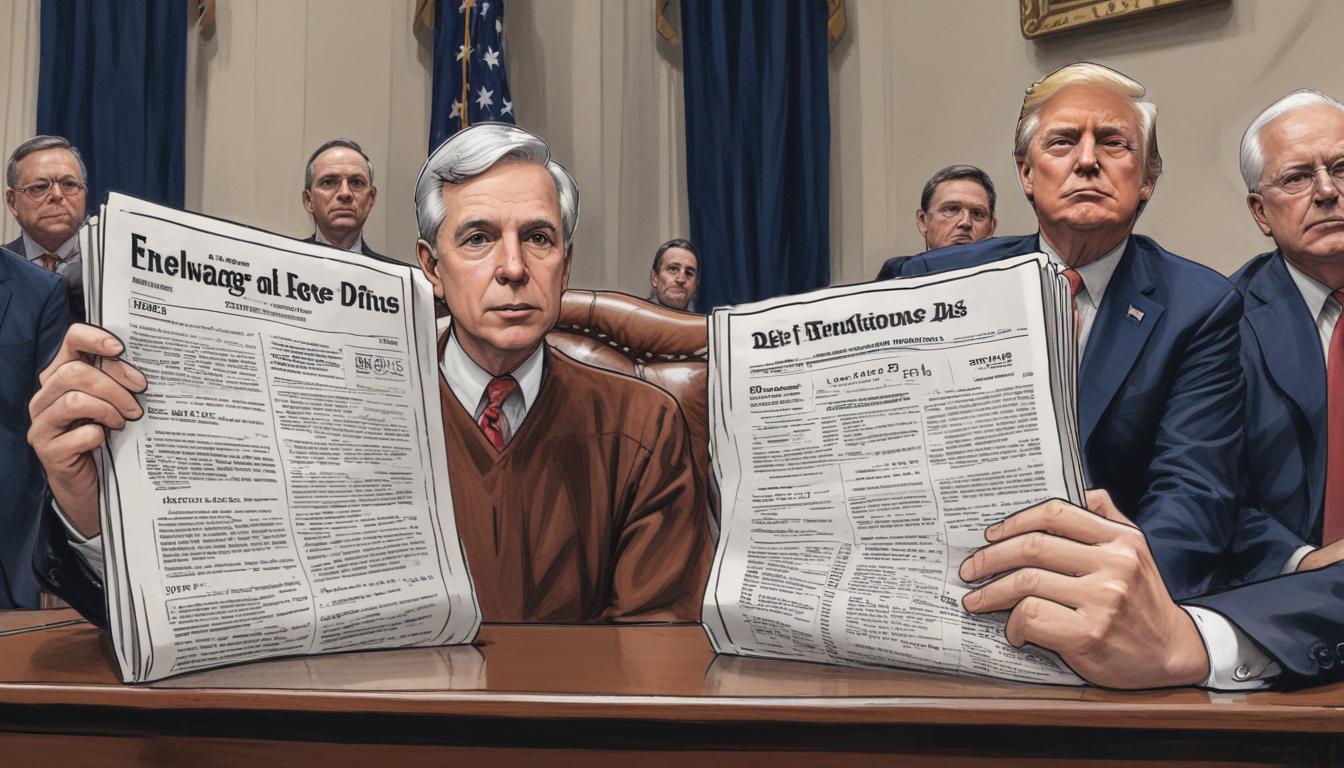
Revocation of the IRS's Anti-DeFi Rule: A Detailed Analysis
The recent revocation of the IRS's anti-DeFi rule, enacted under the Trump administration, marks a significant turning point for decentralized finance (DeFi). This unexpected policy reversal, achieved through a Congressional Review Act resolution, has far-reaching consequences for the future of DeFi innovation, market expansion, and the broader regulatory environment. Grasping the intricacies of the rescinded rule and the rationale behind its repeal is essential to understanding the potential advantages and disadvantages of this unprecedented action.
Read also: Trump's Return, Rising Rates & Crypto Crash? The Shocking Truth!
The IRS's Anti-DeFi Rule: A Closer Look
Before its revocation, the IRS rule aimed to clarify the tax obligations of entities in the reporting requirements for decentralized exchanges (DEXs) and other DeFi platforms. Critics argued that the rule's complexity and lack of clarity stifled innovation and discouraged developers from building and operating DeFi projects within the US. The ambiguity surrounding the definition of a "broker" in the context of decentralized protocols led to widespread uncertainty and concern about potential legal repercussions for developers and users alike. This uncertainty, in turn, hindered investment, hampered growth, and arguably drove significant DeFi activity offshore.
Trump's Rationale for Revocation: A Shift in Crypto Policy
The rationale behind President Trump's decision to revoke the IRS rule appears multifaceted. While precise statements detailing the reasoning behind the policy change are limited in the source material, it's clear that the administration viewed the rule as detrimental to the growth and innovation within the US cryptocurrency sector. Support for the repeal came from both sides of the aisle, suggesting a bipartisan recognition that the previous rule was excessively restrictive and counterproductive to the goals of fostering technological advancement and attracting investment in the burgeoning crypto space. Public statements from administration officials, such as David Sacks, emphasized the rule's potential to stifle innovation and raise privacy concerns. The revocation signals a clear intention to create a more welcoming regulatory environment for cryptocurrencies and DeFi, thereby encouraging domestic development and potentially attracting developers and businesses away from jurisdictions perceived as more hostile to the technology.
Potential Benefits of the Policy Change: Unlocking DeFi's Potential
The repeal of the IRS's anti-DeFi rule carries several potential benefits. First, it is likely to significantly reduce the compliance burden on DeFi platforms operating within the US. This reduction in regulatory overhead could encourage greater participation from developers, potentially leading to a surge in innovation and the creation of new DeFi applications. The removal of ambiguous reporting requirements also eliminates a major source of uncertainty for users, promoting greater adoption of DeFi services and increasing overall market liquidity. Moreover, the move could attract substantial foreign investment, boosting the US's position as a global hub for technological innovation in the crypto sphere. The decreased regulatory uncertainty may also stimulate the development of more sophisticated and user-friendly DeFi products, ultimately benefitting both individuals and institutions.
Potential Drawbacks and Unforeseen Consequences: Navigating the New Landscape
While the revocation offers several advantages, it also presents potential drawbacks. The absence of clear regulatory guidelines could lead to a period of uncertainty, where the lack of defined rules may actually hinder responsible growth. While intended to promote innovation, the absence of detailed regulations might also create loopholes that could be exploited for illicit activities. The sudden shift in regulatory approach may also lead to unforeseen consequences and require ongoing monitoring and adjustments to ensure a balanced and effective regulatory framework evolves over time. Moreover, the long-term effects on tax revenue and the overall financial stability of the system require careful analysis. The lack of immediate, comprehensive replacement regulations could cause short-term market volatility as participants adjust to this new, less structured environment.
Conclusion: A Pivotal Moment for US DeFi
The revocation of the IRS's anti-DeFi rule represents a pivotal moment for the future of decentralized finance in the United States. While the long-term consequences remain to be seen, the immediate effects are likely to be a mixture of increased innovation, reduced regulatory burdens, and potential market volatility. The Trump administration's decision signals a marked shift in the US government’s approach to crypto regulation, paving the way for a potentially more dynamic and less restrictive regulatory landscape.
However, careful considerations of this policy shift are crucial, examining its impact on market growth, developer activity, and the potential for future regulatory moves.
Read also: Yellen's Recession Warning: Is Your Crypto Portfolio Ready? (Trump-Era Policy Impact)
DeFi Innovation and Market Growth Following IRS Rule Change
The rescission of the IRS's anti-DeFi rule represents a major shift in the US regulatory environment for decentralized finance (DeFi). While the long-term effects are still unfolding, the immediate impact is expected to boost innovation, increase developer engagement, and drive market growth, particularly within the United States.
Reduced Regulatory Burden: A Catalyst for DeFi Advancements
The primary problem with the revoked rule was its inherent ambiguity and complexity. The unclear definition of a "broker" in decentralized protocols created a chilling effect on innovation. Developers faced uncertainty about their tax obligations and potential legal consequences, leading many to avoid operating in the US or significantly reduce their activities. The repeal removes this significant obstacle, fostering a more conducive environment for development.
The reduction in regulatory burden directly translates into a more attractive environment for DeFi developers. Less time and fewer resources spent navigating complex regulations means an accelerated pace of innovation. New protocols, decentralized applications (dApps), and financial instruments can emerge more rapidly. The removal of ambiguous reporting requirements also reduces the operational overhead for existing DeFi platforms, freeing up resources for expansion and improvement.
Read also: Trump's Return, Rising Rates & Crypto Crash? The Shocking Truth!
A surge in the development of innovative DeFi solutions addressing unmet market needs is anticipated. Increased developer activity is expected to encompass a wider range of financial products and services, leading to a more diverse and robust DeFi ecosystem. Removing bureaucratic obstacles should facilitate the creation of more user-friendly interfaces, increasing accessibility and drawing in a wider range of users beyond the current core DeFi community.
Attracting Developers and Investment: A US DeFi Renaissance
This policy change has the potential to significantly alter the global distribution of DeFi activity. Previously, the uncertainty surrounding US regulations pushed many projects and developers to more crypto-friendly jurisdictions. The revocation of the anti-DeFi rule creates a more competitive environment, potentially attracting developers and businesses back to the US, fostering what some might call a DeFi renaissance.
This influx of talent and resources could catalyze significant market growth. A more robust DeFi ecosystem in the US attracts further investment, leading to a virtuous cycle of growth and innovation. Furthermore, increased regulatory clarity fosters confidence among investors, making the US a more appealing destination for capital allocation within the DeFi space. This renewed confidence could translate into increased institutional involvement, bringing substantial capital and expertise to the sector.
The increased competitiveness of the US DeFi market might also lead to an evolution in the types of DeFi projects being developed. With a larger pool of developers and increased investment, projects may be bolder in their approach, focusing on more ambitious and potentially disruptive technologies, broadening the range of applications and services within the DeFi ecosystem.
Market Growth and Increased Liquidity: The Ripple Effect
The anticipated surge in DeFi activity within the US has a ripple effect on the broader cryptocurrency market. Increased liquidity in US-based DeFi projects translates into greater overall market depth and stability. This enhanced stability makes the crypto market more attractive to both retail and institutional investors, further accelerating growth.
Improved regulatory clarity may also lead to greater integration of traditional finance (TradFi) with DeFi. This convergence could facilitate adopting DeFi technologies by mainstream financial institutions, significantly accelerating growth and adoption beyond the current niche community. The positive impact on investor sentiment could lead to increased trading volume and higher valuations for cryptocurrencies, especially those closely tied to the DeFi ecosystem.
However, market growth is not solely dependent on regulatory changes. Technological advancements, broader adoption of cryptocurrencies, and overall macroeconomic conditions also play a significant role, creating a complex interplay of factors.
Potential Challenges and Considerations
While the repeal of the anti-DeFi rule offers significant opportunities, it also presents potential challenges. The absence of detailed replacement regulations could create a period of uncertainty. While intended to promote innovation, a lack of specific guidelines might also create loopholes exploitable for illicit activities. Effective regulatory oversight is crucial to prevent this and ensure the responsible growth of the DeFi sector.
Furthermore, the long-term effects on tax revenue need careful consideration. The government needs to find a balanced approach to encourage innovation while still ensuring adequate tax collection. This balancing act requires ongoing monitoring and adaptive regulatory adjustments.
In conclusion, the rescission of the IRS's anti-DeFi rule marks a turning point for the US DeFi ecosystem. While the full extent of its impact remains to be seen, the potential benefits—increased innovation, enhanced developer activity, and significant market growth—are substantial. However, navigating the challenges associated with this shift and developing a sustainable regulatory framework will be critical for realizing the full potential of DeFi in the United States. The future of US DeFi hinges on the ability to foster innovation while simultaneously mitigating risks and ensuring responsible growth.
Future Regulatory Moves: Potential Scenarios and Expert Opinions
The rescission of the IRS's anti-DeFi rule signifies a pivotal shift in US cryptocurrency and decentralized finance (DeFi) regulation. While intended to stimulate innovation and attract developers, this removal of existing rules creates considerable uncertainty. What regulatory steps can we expect? What opportunities and challenges lie ahead? Expert opinions reveal a complex picture, ranging from cautious adjustments to sweeping reforms.
Incremental Adjustments: The Path of Least Resistance
One likely scenario involves a gradual, incremental approach to regulation. Instead of a complete overhaul, expect targeted adjustments addressing specific concerns raised by the repealed rule. This might include clearer guidance on DeFi tax reporting, a more precise definition of "broker," and potentially, self-regulatory frameworks for various DeFi protocols. This minimizes disruption while aiming for a more functional regulatory environment. However, this gradual evolution could struggle to keep pace with DeFi's rapid technological advancements, prolonging uncertainty.
Some experts believe the SEC might prioritize existing enforcement actions against specific DeFi projects instead of creating broad new rules. While less disruptive overall, this approach could still lead to legal challenges and uncertainty for individual projects. This enforcement focus might deter some projects while encouraging others to proactively self-regulate to avoid SEC scrutiny.
Comprehensive Framework: A DeFi-Specific Regulatory Approach
A more ambitious approach would involve a comprehensive regulatory framework specifically designed for DeFi. This could involve creating new regulatory bodies or expanding the mandates of existing ones like the Commodity Futures Trading Commission (CFTC) or the Financial Crimes Enforcement Network (FinCEN). Such a framework could include licensing requirements for DeFi platforms, consumer protection measures, and clear guidelines for stablecoins and other DeFi instruments. This would provide greater clarity and stability, potentially attracting significant investment and accelerating DeFi adoption. However, crafting such a framework presents considerable challenges. Defining clear boundaries for decentralized technologies while respecting their inherent properties requires careful consideration to avoid hindering innovation. The risk of creating overly restrictive regulations that drive DeFi activity offshore remains a significant concern.
International Harmonization: Aligning US Regulations with Global Standards
Given DeFi's global nature, US regulatory action will likely be influenced by other jurisdictions. One possibility is active US participation in international collaborations to harmonize crypto and DeFi regulations. This could lead to international standards and best practices, reducing regulatory arbitrage and facilitating cross-border DeFi activities. However, this requires substantial diplomatic effort and a willingness to compromise on national regulatory approaches. While fostering a more interconnected global DeFi ecosystem, it might limit the US's ability to tailor regulations independently.
Read also: Trump's Return, Rising Rates & Crypto Crash? The Shocking Truth!
Continued Regulatory Uncertainty: A "Wild West" Scenario
Although unlikely long-term, continued regulatory uncertainty remains a possibility. A failure to establish a clear regulatory framework could lead to prolonged uncertainty, hindering investment and innovation. This "Wild West" scenario could negatively impact the US's competitiveness with jurisdictions embracing more supportive crypto regulation. Increased illicit activities and market volatility would be significant risks in such an environment.
Expert Opinions: A Divergence of Views
Expert opinions on the future of US crypto and DeFi regulation diverge significantly. Some are optimistic, predicting a proactive approach that embraces innovation while mitigating risks through incremental adjustments or tailored frameworks. Others express concern about overregulation, advocating for a cautious approach prioritizing clarity and avoiding overly restrictive measures. Still others are pessimistic, warning about prolonged uncertainty or a hostile regulatory climate that could drive DeFi offshore. The ultimate path will likely depend on the political landscape, technological developments, and the success of international collaborations.
Conclusion: Navigating the Uncharted Waters of DeFi Regulation
The repeal of the IRS's anti-DeFi rule is a significant turning point, yet the future remains uncertain. The scenarios outlined above represent a spectrum of possibilities, from carefully managed evolution to disruptive regulatory overhauls. The final outcome will depend on a complex interplay of political, economic, and technological factors. Regardless of the path chosen, clear communication, stakeholder engagement, and careful consideration of the benefits and risks of regulatory intervention are crucial for a future where DeFi can thrive responsibly within the US ecosystem. The ongoing narrative of Trump's impact on crypto policy hinges not only on this decision's immediate consequences but also on the proactive and strategic approach taken in shaping the future regulatory landscape.
US DeFi's Future After the IRS Anti-DeFi Rule Revocation
The recent overturn of the IRS's anti-DeFi rule signals a potential turning point for decentralized finance in the US. This unexpected move could significantly impact innovation, investment, and market growth, but also introduces uncertainty.
Key Takeaways:
- Increased Innovation & Development: The rule's revocation reduces regulatory burden, potentially sparking a surge in US-based DeFi development and attracting international talent.
- Market Growth & Investment: A more welcoming regulatory climate may draw substantial investment, boosting market liquidity and driving wider cryptocurrency adoption.
- Navigating Uncertainty: While promising, the absence of clear replacement regulations creates a period of uncertainty, potentially leading to market volatility and requiring careful monitoring for responsible growth and prevention of illicit activities.
- Future Regulatory Paths: Potential scenarios include incremental adjustments, a comprehensive DeFi-specific framework, international harmonization, or continued uncertainty; the chosen path will profoundly shape the US DeFi landscape.
#Innovation #Trump Administration #Congressional Review Act #US DeFi #Market Growth #Decentralized Finance #DeFi #Crypto Regulation #Regulatory Uncertainty #DeFi Regulation